Survival
Rust
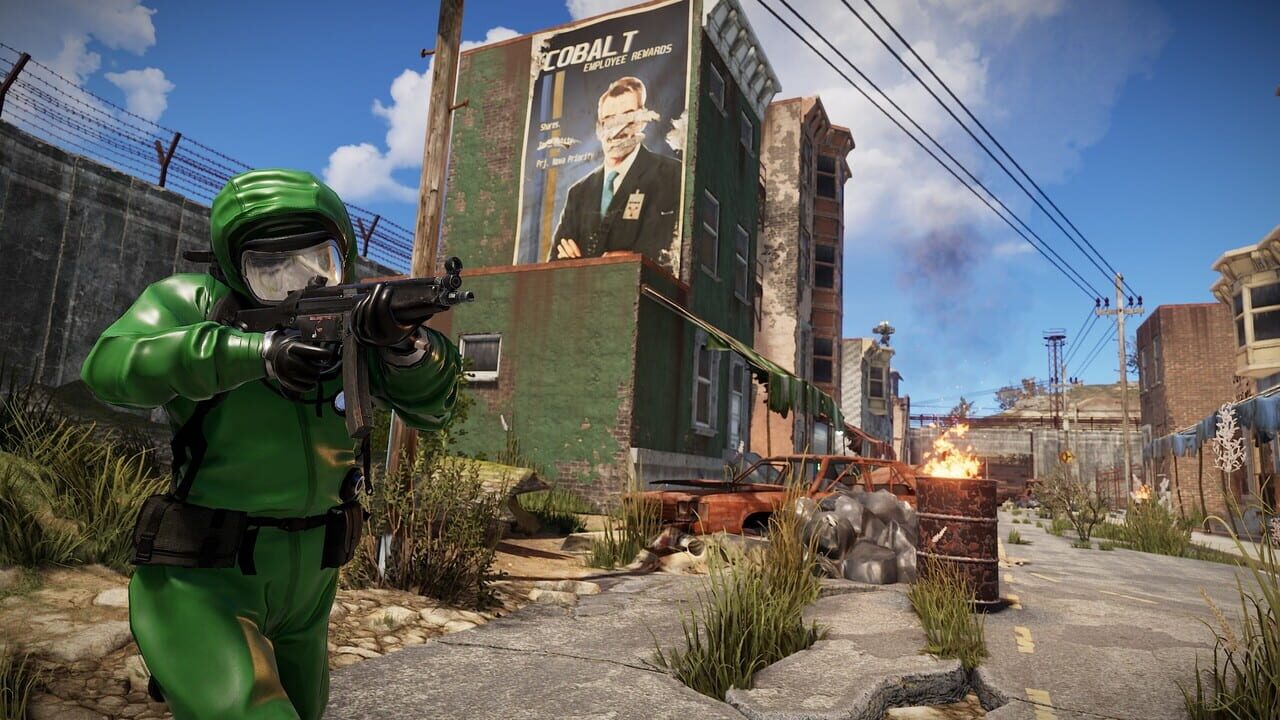
Hardcore survival game with base building, raiding, crafting, and PvP. Survive the wilderness and other players. Active since 2018.
Open the Knowledge Base — the game's own numbers in plain EnglishThis knowledge base lays out Rust's own rules and systems in plain English: how a hideout is built and defended, the raiding loop that runs the mid-game, the scrap economy that throttles progression, the weapon ladder, and the crew the top half of the game actually needs. Every figure is the game's own where it has one; where the reference is thin — live market prices, boss timers, per-item damage — it says so instead of guessing. Nothing here is live data, so anything current is something you'd check in-game.
The game's own rules and constants — not live server data. For current market prices, boss spawn timers, drop rates or per-item damage, check in-game.
The game in one minute
What Rust is, at a glance
A hardcore survival sandbox with no fixed character classes: you start from nothing, craft up from a spear to the big guns, build a base you defend — or use to launch raids on other players.
Rust is a hardcore survival game where progression is entirely in your hands: there's no class or talent tree to pick. You gather, craft, and build a hideout — then either defend it or use it as the base for raiding other players. The economy runs on scrap, a research currency you farm from raid bosses, the market and looting, and it's what gates how fast you can unlock the endgame tech.
Rust, on its own pages
Your base
The hideout: what it is and what it does
A hideout is the player-built home you defend and launch raids from. Structure tier is the difference between a base that lasts and one that decays out from under you.
The hideout is where you live and where you defend. Material tier matters: wood is cheap but degrades over time, while stone and metal are the real building materials. Doors gate everything, and a sheet-metal door runs around 150 metal fragments and 250 hit points — roughly four satchel charges to break it. Defenses scale from a simple alarm and a few walls up to automated turrets, bear traps and landmines, plus a telemetry computer that pings you when someone reaches the perimeter.
| Layer | What it does |
|---|---|
| Walls & doors | Wood decays; stone and metal hold. The door is the choke point of the whole base. |
| Auto turrets | Fire without you — the real long-term defense that a crew can't ignore. |
| Traps & alarms | Bear traps and landmines kill on one hit; the telemetry computer wakes you on contact. |
| Industrial crafter | Automates crafting so the base keeps feeding your resources hands-off. |
The raiding loop
Crews, the raid boss, and the siege economy
Raiding is the core of the mid-game: you take a crew, bring the right explosives, and crack another player's base — or run the periodic raid-boss event the game spawns on the map.
The game runs periodic raid-boss events: a boss spawns at random coordinates and an in-game notification pings the map. The crew that reaches it fights the boss and opens loot containers — scrap, rare parts and blueprint books. A raid boss wants a squad of several; solo is a coin-flip. You can also siege other players' bases directly, which is where the explosives ladder comes in.
| Explosive | Use | Where it fits |
|---|---|---|
| Satchel charge | Entry-level raiding; a few per metal door | First siege option |
| Rocket | Fired from outside the walls | Mid siege |
| C4 / grenade | Heavy demolition and area denial | Endgame sieges |
Each step up the ladder needs more gunpowder, sulfur and metal, so the explosives tier is really a scrap-and-farming test. Plan the raid before you commit — the calculator below does the counting for you.
The full demolition ladder→Why you don't run this solo→Scrap
What scrap is and where it moves
Scrap is Rust's high-tier currency. You don't spend it like gold — you burn it to research better recipes and craft endgame tech, which makes it the throttle on how fast you progress.
| How you get it | What you spend it on |
|---|---|
| Raid-boss drops & rare loot | Researching workbench recipes (each tier has a scrap price) |
| Market trading | Auto turrets, sensors and other high-tech gear |
| Looting other bases | Repairing and crafting the salvage line |
Each workbench level gates a set of recipes behind a research fee paid in scrap. That fee is the real gate: you can farm everything else, but the research fee decides how fast you actually unlock the next tier of tech. So scrap is both the goal and the fuel of the endgame loop.
Where most of it is farmed→What scrap unlocks on the weapon side→The weapon ladder
From spear to the big guns
Weapons form a clear ladder from hand tools to the heavy endgame carry. Where you sit on it is the single biggest signal of how far you've progressed.
| Tier | Representative weapons |
|---|---|
| Early | Spear, hatchet, slingshot, basic bow |
| Mid | Rifle, pump shotgun, SMG, revolver, hunting or compound bow |
| Heavy | Auto rifle, LMG, .50 BMG, hunting bow |
The big guns — the .50 BMG for range, the LMG for fire rate, and the hunting or compound bow for silent high damage — are the endgame carry. Some of the top of the ladder is gated behind workbench research and scrap, so the weapon tier is really a scrap test.
The currency that gates the top of this ladder→What you bring when the fight is on→The endgame loop
Crews that run the boss on demand
Endgame is the crew big enough to hit the raid-boss event when it suits them and to siege top-tier bases for their stockpiles.
The endgame loop
- Automated industrial crafter and resource farming
- Crew-coordinated raid-boss runs
- Market trading of scrap and rare loot
- Sieging top-tier bases with C4 and rockets
The loop is: automate the crafter, farm scrap, gather the crew, hit the boss, and trade what drops on the market. The crew that's good enough does this on a schedule rather than waiting for a random spawn, which is the real difference between a stable mid-game and the top of the ladder.
The crew that makes the loop possible→The currency the loop is really farming→The game's own numbers, in plain English — start from the Knowledge Base →
 Editorial
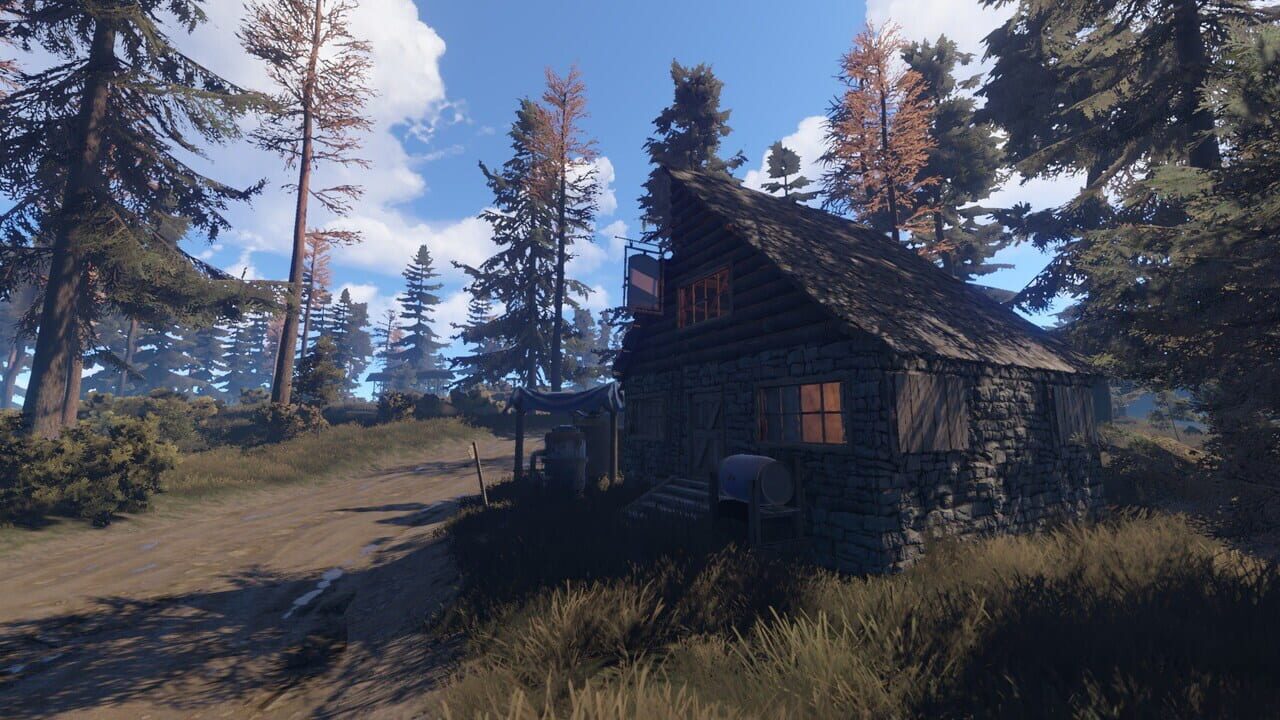
Rust Beginner Guide 2026: First Wipe Base Building, Monuments & PvP
Complete Rust beginner guide for 2026 wipe survival. First-hour priorities, base building, monument guides, workbench progression, and PvP basics for new players.
 Editorial
Rust Best Base Designs 2026: 2x1 to Compound
Best Rust base designs 2026: 2x1 starter, airlocks, honeycombing and top base locations for wipe.
 Editorial
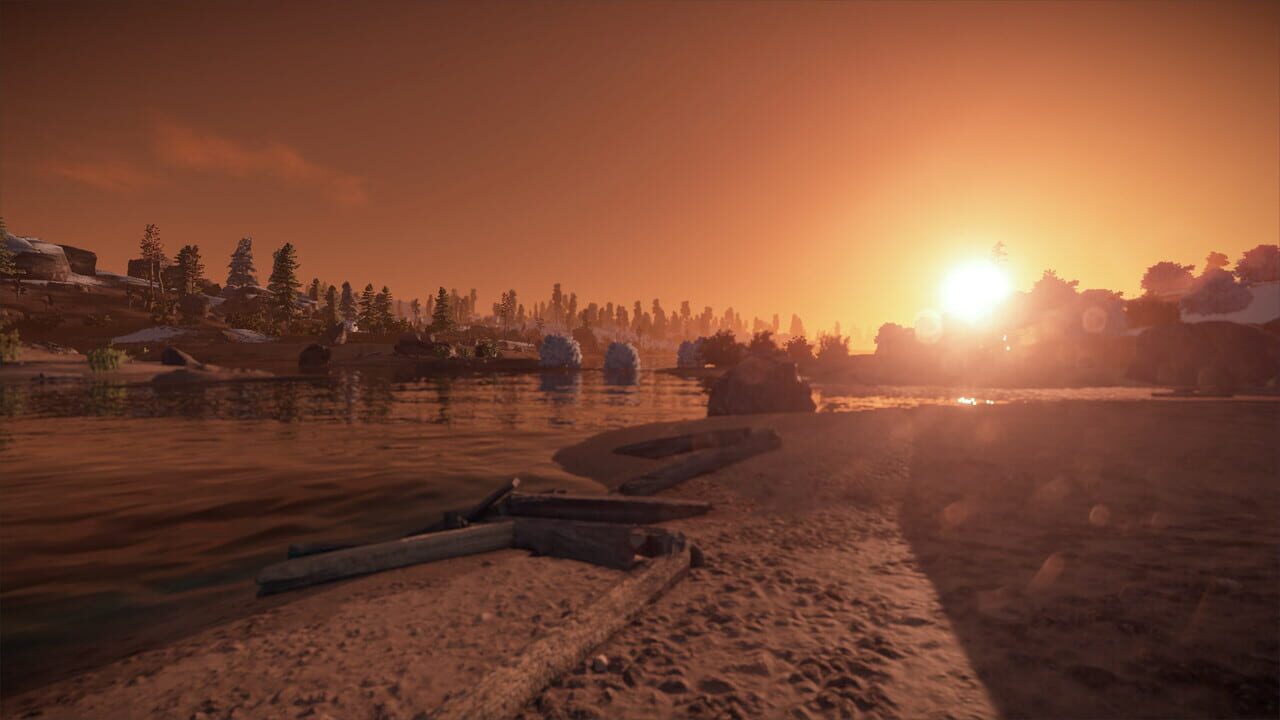
Rust Monument Tier List 2026: Gas Station to Launch Site Loot Map
Complete Rust monument tier list for 2026. Every monument ranked by loot quality, keycard requirements, radiation levels, scientist danger, and best farming.
 Editorial
Rust Raiding Guide 2026: Costs & Explosives
Rust raiding guide 2026: C4, rocket and satchel costs per wall, sulfur math and online vs offline raids.
 Editorial
Rust Wipe Day Strategy 2026: First 6 Hours, Recycler & Base Spots
Optimal Rust wipe day strategy for 2026. Hour-by-hour guide covering building, farming, monument runs, and snowball progression to dominate early wipe.
Loading news...
Free Tools — Rust
Calculators, checkers and planners for Rust — free, no login. The rules behind every one live in the Knowledge Base →
Hardcore survival game with base building, raiding, crafting, and PvP. Survive the wilderness and other players. Active since 2018.