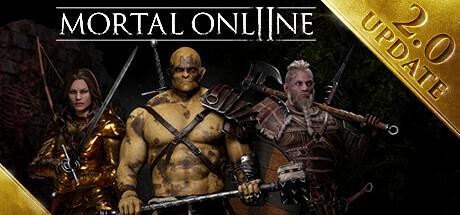
Sandbox MMORPG
Mortal Online 2
Hardcore sandbox MMO with full-loot PvP and realistic first-person combat.
Open the Knowledge Base — the game's own numbers in plain EnglishThis knowledge base compiles what a player actually needs to know about Mortal Online 2 — the hardcore, first-person, full-loot sandbox MMO. It explains the classless skill system instead of a class roster, how the stamina-driven real-time combat works, how the player-driven economy and crafting feed every build, and what the territory and PVP structure means when you die. Every rule here is the game's own; nothing here is a live read of the servers. Where something moves — current territory holdings, prices, world-boss rotations — the page says to check in-game.
These are the game's own systems — not live data. For current territory ownership, live prices or the active world-boss rotation, check in-game.
The game in one minute
What Mortal Online 2 is, at a glance
A hardcore first-person sandbox where nothing is handed to you: no classes, no safe PVP zones, full-loot death, and an economy that only the players make. The skill system is the class system — you build the role you want out of the skill points you have.
Mortal Online 2 is a persistent, first-person sandbox where every system is player-driven: the economy runs on what players craft, trade and tax, PVP is open the moment you leave the few protected pockets, and death is the real cost because your gear walks off with the killer. There are no classes. You start blank and shape a role — a fighter, an archer, a caster, a crafter — out of the skill points you invest and the gear you earn, which is the whole design philosophy carried over from the original and sharpened in this sequel.
The classless skill system
Building a role out of skill points
Where most MMOs hand you a class, this one hands you a skill point budget and lets you spend it into whatever build you want — and 'classes' in this game are just common spend patterns players have settled on.
You do not pick a class at the start. You pick a starting preset that nudges you, then build the role out of the skill points you earn by playing. A 'fighter' is just a player who put their points into the weapon skills, defense and the combat traits that make a close-range build; an 'archer' is the same budget spent into ranged weapon skills and the mobility that keeps them out of reach; a 'caster' spent into the magic schools. Because the points are the identity, the same character can be rebalanced later — you sink more points into a new skill set and the build shifts. That is why the skill list, not a class list, is the reference to this game.
The skill families
- Weapon skills — each melee and ranged weapon has its own tree
- Defense skills — blocking, parrying and the damage-soak line
- Magic schools — the spell schools a caster build is made of
- Crafting and life skills — the trades that run the player economy
- Mount skills — the riding and the movement the open world needs
Real-time combat
Stamina-driven fights where positioning is the skill
Combat is real-time, first-person, and paced by stamina: every attack costs stamina, a dismounted player who burns it out is a target that cannot be helped, and the win is the one who spends it smarter.
A fight is read the same way whether you are PVP or hunting: you are limited by how much stamina you can spend, and stamina is the clock that decides who is dangerous. Swing too much, block too much, and you are empty — an empty player is the open world's easiest target. That is why the skill is not button-mashing but the budget: when to commit, when to step off the line to let stamina recover, and when to pull the mount skill so the dismounted moment is short. Against players, the same rule holds, and because death is full-loot, the stakes of a bad budget are the gear you were wearing.
→ Where the PVP stakes actually live→The player economy
Crafting and the trades that run the world
Nothing is bought from the game's own shop for the things that matter: gear, food, building materials, the magic reagents — all of it is what players make, and the economy is the players' alone.
The crafting and trade skills are not a side loop — they are the economy. Every weapon you want to be better than the one you are holding is made by a player, every piece of armor, every stack of food, every reagent for the magic schools. The trades are a real skill set you level like anything else, and the goods you make are what you trade to other players at the prices the market sets, not a fixed number the game prints on them. Because the economy is player-made, a territory that controls the goods or the routes has real power: the same guild that holds the land can set the property and the sales tax on what flows through it, which is why territory fights are as much about the economy as they are about the flag.
→ Why territory is the economic power, not just the map→Territory & PVP
Holding the land, setting the tax, and why death is the price
The territory system is the world's real PVP layer: guilds fight to hold the regions, and holding one means the property and sales tax the territory sets on the houses and the trades inside it.
The territory system is how the game hands the world to the players: guilds fight to hold regions, and the guild that holds a territory sets the property tax on the houses in it and the sales tax on what trades through it, with the take filling the guild's war chest. So a territory fight is not just the flag — it is the tax income the winner collects on everything that happens in that region, and the guilds that want the land want the money it produces. Open PVP is the enforcement: the few protected pockets are where the new and the cautious keep their gear, and everything else is where the stakes of a death are the gear you were wearing, because the full-loot rule means the killer takes it. That is the entire social pressure of the game, and it is why the territory system and the PVP structure are the same thing: the land is the money, and the money is what the PVP is for.
→ How the property and the sales tax actually work→The game's own numbers, in plain English — start from the Knowledge Base →
 Editorial
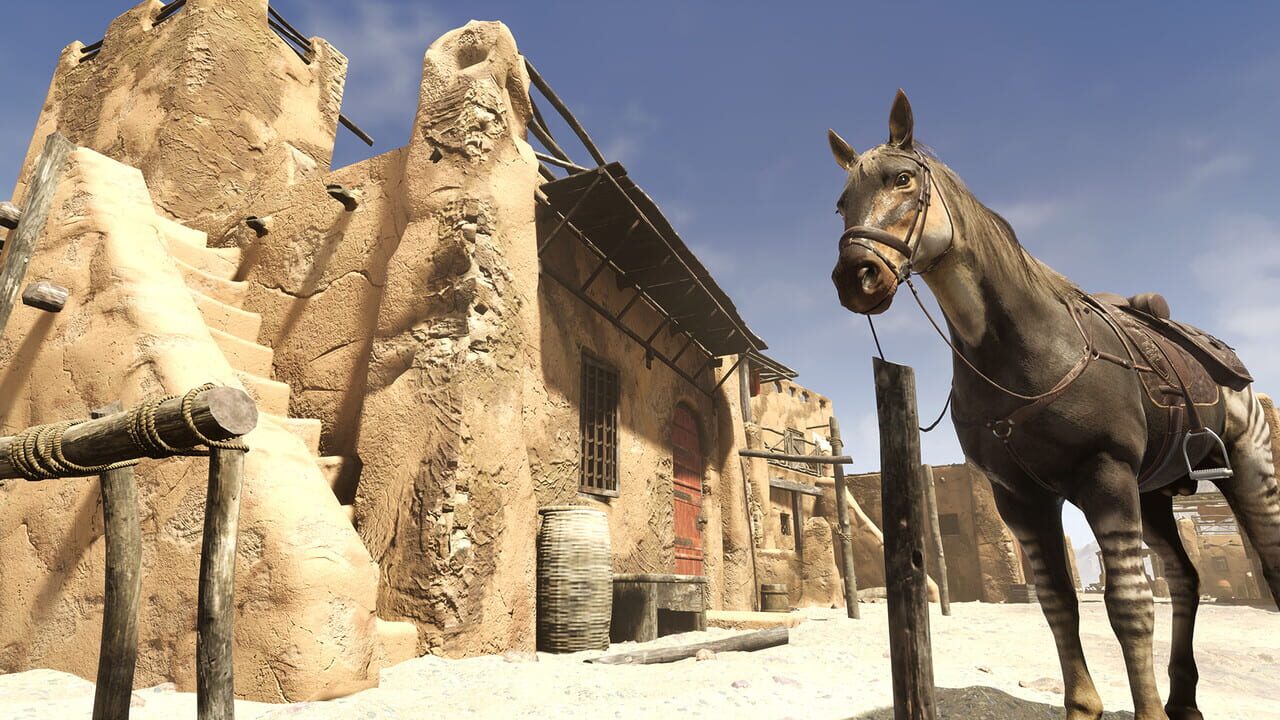
Mortal Online 2 Sarducaa PTR: Lockpicking & Third Character Slot
Complete guide to the Sarducaa PTR — third character slot rules, Haven travel restrictions, the new lockpicking skill system, dungeon chest mechanics, and.
 Editorial
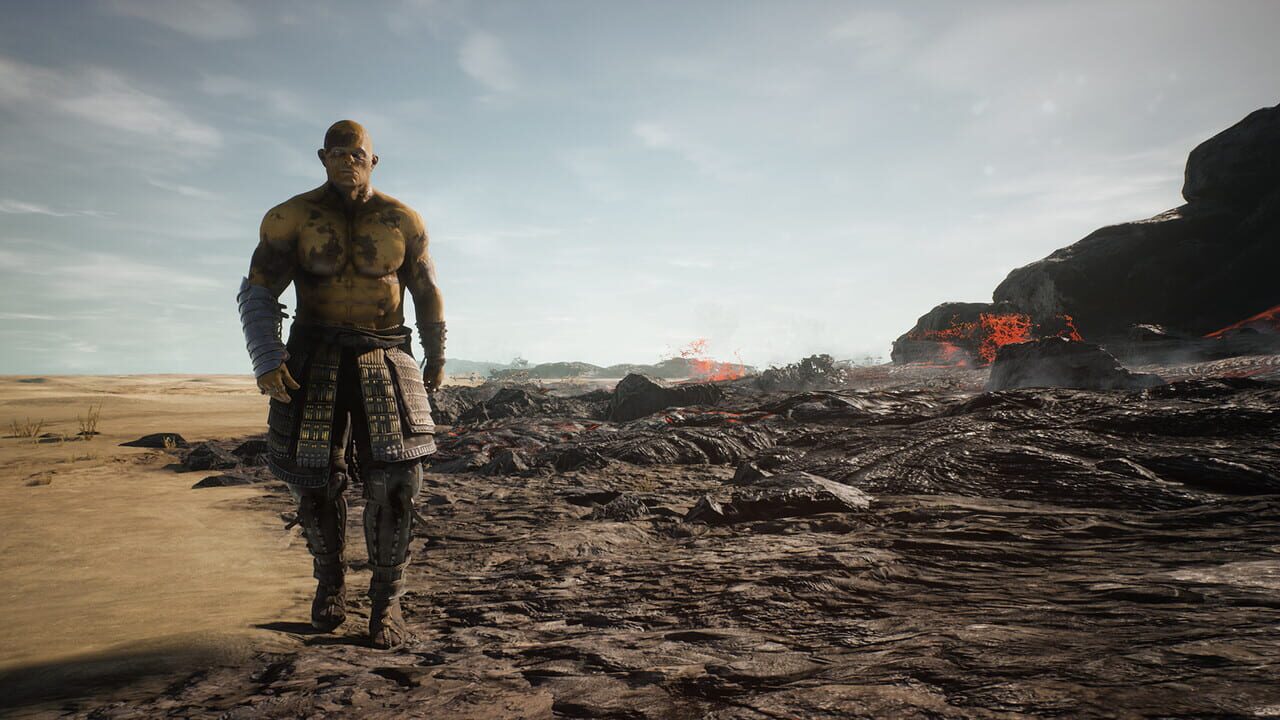
Mortal Online 2 Territory Guide: Claim Keeps & Defend Them in 2026
Learn to claim keeps, manage upkeep, and defend territory in Mortal Online 2. Verified 2026 guide with strategies, roles, and tactics for guild warfare.
 Editorial
Mortal Online 2 (2026): Territory Control & Full-Loot PvP Guide
Master Mortal Online 2 in 2026. Full-loot PvP, permadeath, territory sieges, skill-based combat, crafting, and survival tactics in this brutal sandbox MMORPG.
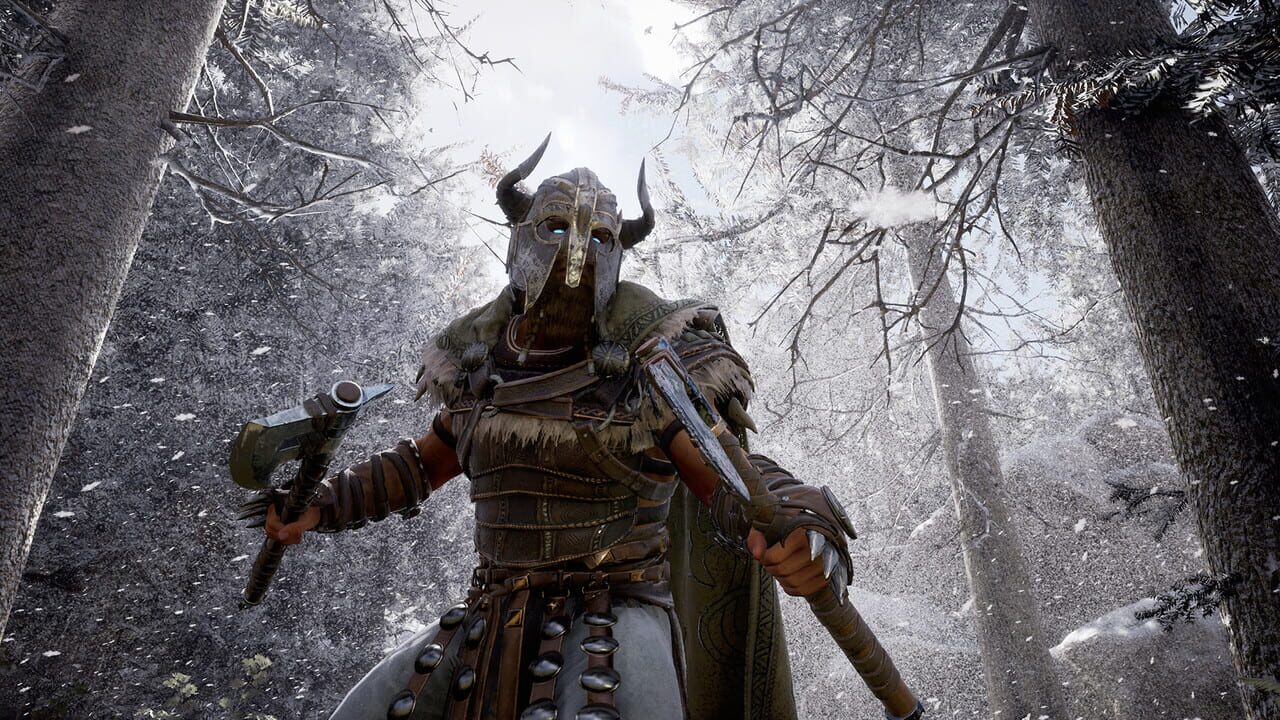 Editorial
Mortal Online 2 Beginner Guide: Survive Your First Hour in Nave
Master Mortal Online 2 with this beginner guide. Learn character creation, starter tips, combat basics, and how to avoid getting ganked in Nave.
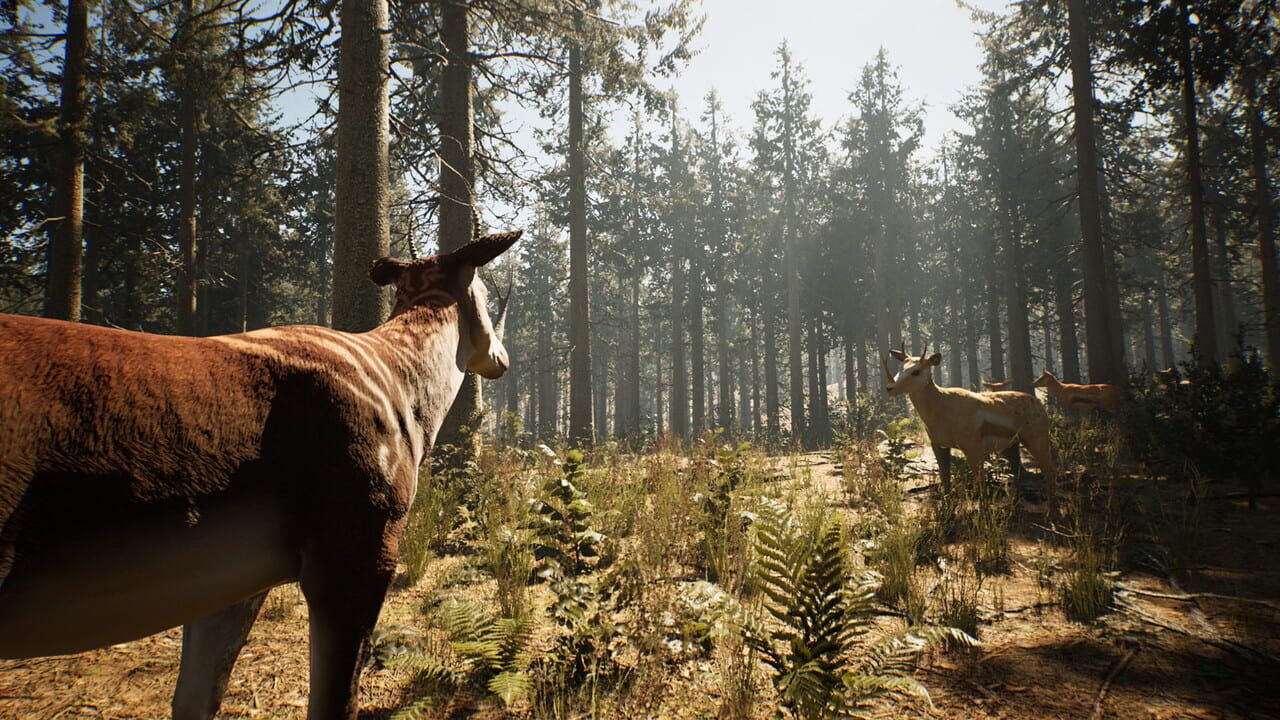 Editorial
Mortal Online 2 Best Crafting Clades Guide (2026)
Best Mortal Online 2 clades for crafting: passives and build picks for dedicated crafters.
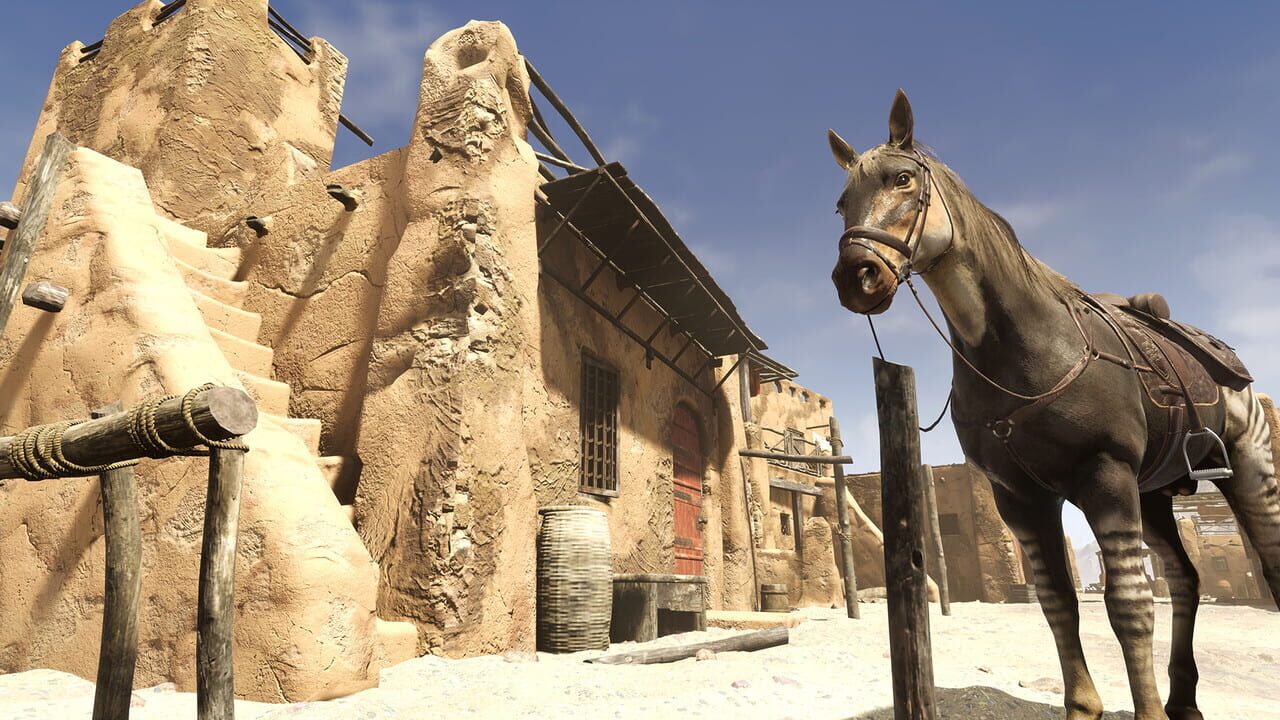 Editorial
Mortal Online 2 Horse Taming Guide: First Mount
Mortal Online 2 horse taming guide: materials, locations and steps to get your first mount.
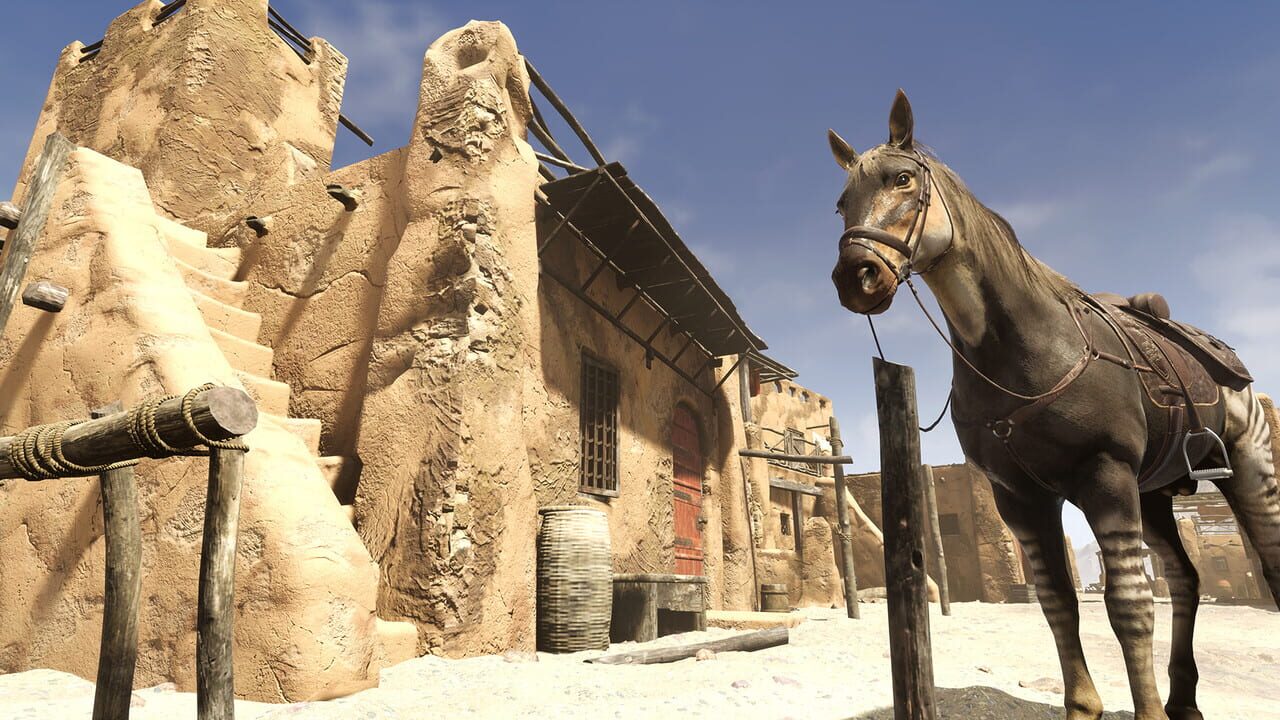 Editorial
Mortal Online 2: Tindremic Guard Reputation Farming Route
Fix your reputation with the Tindremic Guards in Mortal Online 2. Farm Tindremic Traitors in the Sewers/Slums and use Trapdoor Spider Heads.
Loading news...
Mortal Online 2 is a first-person sandbox MMORPG with full-loot PvP and deep crafting. The game features a realistic combat system and player-driven economy.