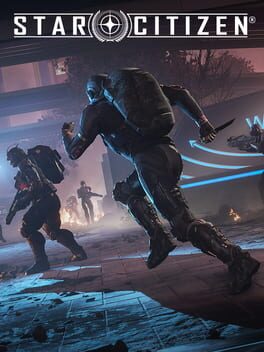
Space MMO
Star Citizen
Ambitious space MMO with first-person universe and detailed spaceships.
Open the Knowledge Base — the game's own numbers in plain EnglishStar Citizen is a persistent-universe space sim from Cloud Imperium Games: one shared galaxy that keeps running, and you slot into it as a captain who flies, trades, salvages, fights or runs a business — the game has no fixed class, so what you do is what you bring to it. Ships are the core of the experience: you buy a ship and it is yours, it comes back when you die, and the economy moves through the goods you haul and the work you do. This reference covers the persistent universe and what it means, the ship-and-buying model, the economy that runs through it all, and the main things a captain actually does — in plain English. Every rule and number here is the game's own; current prices, which ships are in the pool and what's live right now are things you check in-game or on the store.
These are the game's own rules and numbers, not a live read. The economy, the ship lineup and what is actually live in the universe all move fast — check in-game and on the official store for what is there right now.
The game in one minute
What Star Citizen is, at a glance
A persistent-universe space sim where one shared galaxy keeps running and you slot into it as a captain, flying, trading, salvaging and fighting, with ships at the center of it all.
Star Citizen is a space simulator with one big idea: the universe is persistent. It does not reset when you log out — the galaxy keeps running while you are gone, and when you come back, the stations, the economy and the people who were there keep being there. You slot in as a captain with a ship and a job, and you pick what kind of captain you are: the hauler who moves goods, the trader who runs a business, the salvager who pulls wrecks, the soldier who fights. There is no fixed class, so the ship you bring and the work you choose are what define you.
Persistent Universe
The Persistent Universe: the galaxy that keeps running
When you log out, the universe does not stop — it keeps running, and that changes everything about how you relate to it.
The 'Persistent Universe' (the PU) is the spine of Star Citizen. It is one shared galaxy, and it does not pause for you: while you are offline, the economy keeps moving, the stations keep operating and the people who were in the universe keep being in it. When you come back, you are stepping into a world that has kept living. That is the difference between Star Citizen and a session-based MMO — it is a place, not a lobby, and the consequences of that follow everywhere in the game.
The practical read: your ship and your work persist too. When you die, the ship does not disappear — it goes where it goes, and you get it back when you return. That means the universe is something you build up, not something you log back into, and the work you do keeps mattering across your sessions.
→ The ship you bring into the universe, and why it is yours→Ships & the model
Ships: what you bring in, and how you get them
The ship is the core object: it is yours, it does class, and the way the game is bought runs through the ships you own.
Ships are not just transport — they are the core object of the whole game. The ship you fly defines what you can do: a big cargo hauler moves more goods than a little scout, a fighter fights and a hauler hauls, and that is how the ship and the job stay locked together. You do not 'level up a class' — you get a ship, and the ship is the thing that defines what you bring to the universe.
The way the game is bought runs through the ships. A starter package gives you access to the Persistent Universe and a ship capable of most of the starting activities — and that ship is permanent, not a rental. The rest of the lineup, from small scouts up to the big capital ships, is how you expand what you can do, and the store is where that expansion happens. Entry-level ships are the cheapest way in; the capital ships are the top of the range.
→ Why a better ship pulls more money through the economy→The economy
The economy: what the galaxy runs on
The galaxy runs on a single simulated economy — goods are produced, stored and demanded at nodes, and it all moves through the ships that haul it.
The economy is a simulation of a galaxy that actually produces, stores and demands things. It is built out of nodes — the places where goods are made, held and wanted — and the work of moving goods from the places that have too many to the places that need them is the core of what a lot of captains do. The currency that comes out of it is aUEC, and the ways you earn it are the game's own loops: hauling cargo, running the combat gauntlets, pulling wrecks and selling the salvage, and mining and moving the raw material.
→ The things that turn the economy into work you can actually do→The work
What a captain actually does
There is no fixed class, so the work is the choice — hauling, salvaging, fighting, mining or running a business, and each one is a different job in the same universe.
Because there is no class, the question is not 'what are you' but 'what do you do.' The same universe runs all of it: you can haul cargo, pull a wreck and sell the salvage, run the combat gauntlets, mine the raw material, or set up a business and move the goods yourself. The ship you bring decides which of these you are good at — the hauler is the natural cargo and trade tool, the fighter is the combat tool, and the right ship is the thing that makes a job easy.
The work
- Hauling cargo between nodes
- Pulling wrecks and selling the salvage
- Running the combat gauntlets
- Mining the raw material the economy runs on
- Setting up a business and moving the goods yourself
The game's own numbers, in plain English — start from the Knowledge Base →
 Editorial
Star Citizen 4.2 Pyro Survival Guide: Flares, Factions & Fuel Run
Master the Pyro system in Star Citizen Alpha 4.2. Learn solar flare tactics, station navigation, combat-ready builds, and how to survive the most dangerous.
 Editorial
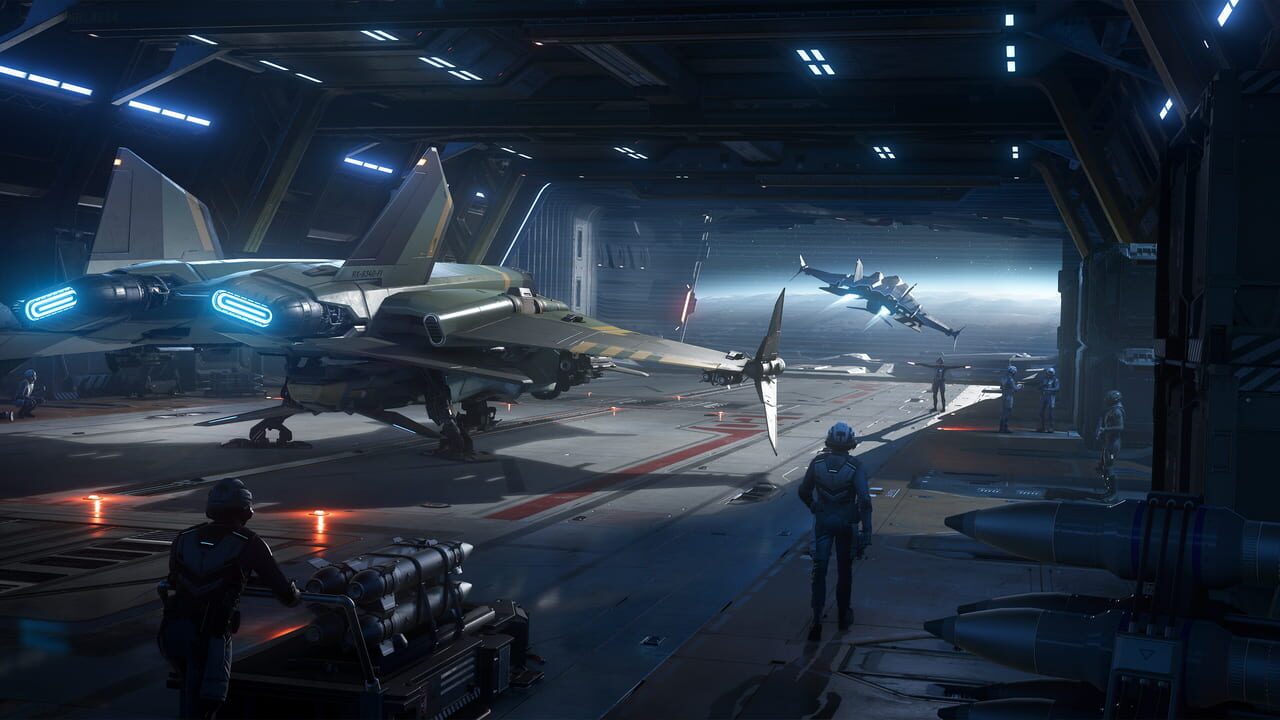
Red Festival 2956 Envelopes in Star Citizen: Find Every Spawn & Claim
Master every Red Festival envelope spawn in Star Citizen. Verified locations, timing strategies, and reward breakdowns for the 2956 Lunar New Year event.
 Editorial
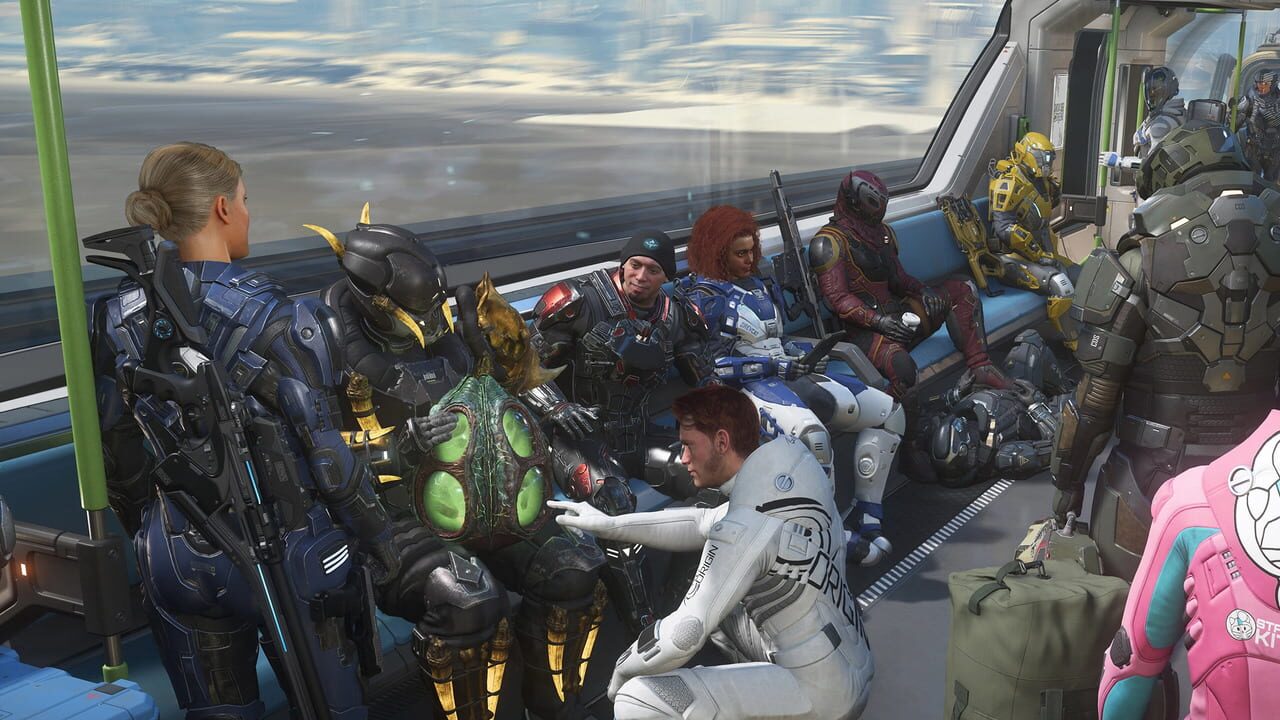
Star Citizen Beginner Guide 2026: Start Here
New to Star Citizen in 2026? First session, best starter ships, making aUEC and key survival tips.
Loading news...
Star Citizen is an ambitious space simulation MMO combining first-person gameplay with space combat, trading, and exploration in a persistent universe.