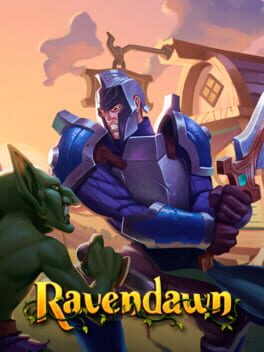
MMORPG
Ravendawn
2D sandbox MMORPG with archetype mixing, player-driven economy, and land ownership.
Open the Knowledge Base — the game's own numbers in plain EnglishThis knowledge base compiles what a player actually needs to know about Ravendawn — the eight-archetype build system that replaces fixed classes, the Aether Rifts endgame, and the fully open, non-instanced world with its player housing and land claiming — in plain English. It is a small game with a small community, so the reference is short: only the structure the game itself ships is written down, and where a system is thin or still being added, the page says so rather than guess. Everything here is the game's own structure; live details — prices, timers, world state — you check in-game.
These are the game's own rules and structure — not live server data. Ravendawn is still a small, actively developed game: for anything current (new archetypes, event state, the world's live population), check in-game.
The game in one minute
What Ravendawn is, at a glance
A free-to-play top-down sandbox MMORPG: a fully open, non-instanced world shaped by its players, a build system of mixed archetypes instead of fixed classes, and Aether Rifts as the PvP and PvE endgame.
Ravendawn is a free-to-play, top-down sandbox MMORPG, and its defining choice is the world: it is fully non-instanced, so the whole community shares one world and the places players build and fight in are the places everyone else sees. The character is built by mixing up to three of the eight archetypes instead of picking one class, so the build space is combinations, not a fixed roster. Endgame play runs on the Aether Rifts, the arena-style PvP and PvE content. The counts above are the game's own structure; the live half — which content is open, what the world's population is doing — is read off the in-game screens.
The build system
The eight archetypes and how a build is made
There are no fixed classes: a character is a combination of up to three of the eight archetypes, and the combination is the build.
The eight archetypes
- Warfare
- Witchcraft
- Archery
- Holy
- Protection
- Wizardry
- Shadow
- Spiritual
Each archetype is its own skill tree, and the character is what you mix out of up to three of them — a Warfare and Protection build is a different character from a Warfare and Archery build, and the mix is where the playstyle comes from. Skill points are earned by level, one point for every three effective levels, and they can be spent in any of the archetype trees, so the points and the trees decouple: you are not locked into the mix you started with, the build is whatever the points say it is. Within an archetype the mix is the same on its own: some archetypes are the damage, some are the survivability, some are the utility, and the three you pick are how the character plays.
→ The archetypes and the build, on their own page→The endgame
Aether Rifts, the arena endgame
The Aether Rifts are the PvP and PvE arena content: timed windows, level requirements, reward containers, and a gear lock while inside.
The Aether Rifts are the endgame arena content: 1v1 and 2v2 matches, mixing PvP against other players and PvE against the rift's own challenges. They run on a structure the game sets: a level requirement gates who can enter, the windows are timed, and the rewards come through reward containers. The rule that makes them a self-contained mode: once you are inside, you cannot change your equipment or your raven cards while the match is running, so the team you bring in is the team that plays. The rift is the place the build system gets tested — the combination you mixed is what you enter with.
→ The Aether Rifts in more detail, on their own page→The world
The non-instanced world and player housing
The world is single and shared, and the land and the buildings on it are player-owned: you claim land, you build on it, and it is there for everyone else.
The world is fully non-instanced: there is one of it, and everyone who logs in is in the same one, so the places players shape — the land they claim, the houses they build, the positions they hold — are permanent parts of the world for everyone, not private copies. The housing and land-claim system is the core of it: a player claims land and builds on it, and the building is a real, persistent, public part of the map. That is what the sandbox is made of: the world changes because the players on it change it, and the change is the world for everyone after.
→ The housing and land system, on its own page→Where the game stands
The current state of the game
Ravendawn is a small game developed over a long stretch; the live part is what the development is adding now.
Ravendawn is a small, independent game — in development for years before its public release, and still smaller than the games it sits beside in the catalog. The structure above — the archetypes, the rifts, the open world and its housing — is the shipped core, and the development is what changes it: new content, new systems and the tuning of the ones that exist. For a player, that means the reference's rules are the stable part and the version's state is the live part. The game is free to play; the live half of it is read off the in-game screens, not off this page.
The game's own numbers, in plain English — start from the Knowledge Base →
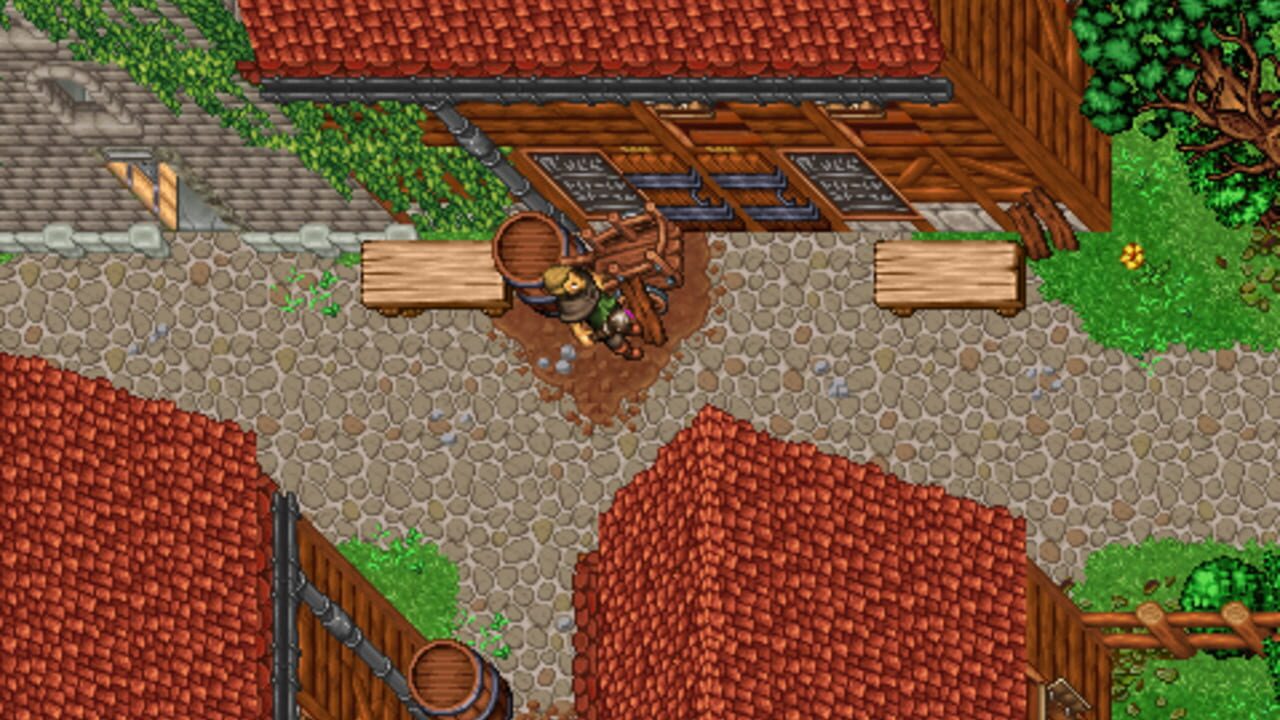 Editorial
How to Craft Aether Stones in Ravendawn (Glacial Update Guide)
Learn how to craft Aether Stones in Ravendawn's Glacial Update. Cover materials, the Masonry process, farming routes in Gilead, and XP optimization tips.
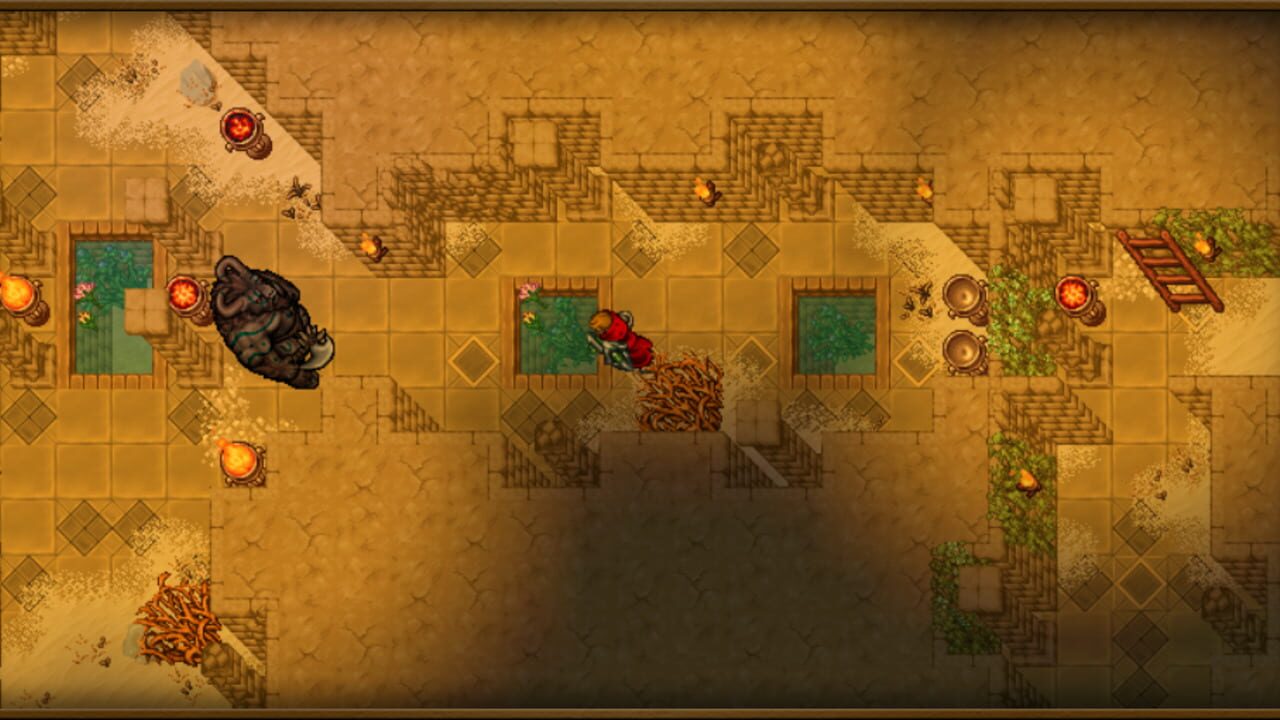 Editorial
Ravendawn Herbalism: How to Level Fast & Farm Herbs Efficiently
Learn how to level Herbalism in Ravendawn fast. Covers gathering tips, alchemy synergy, market selling strategies, and efficient routes for max yield.
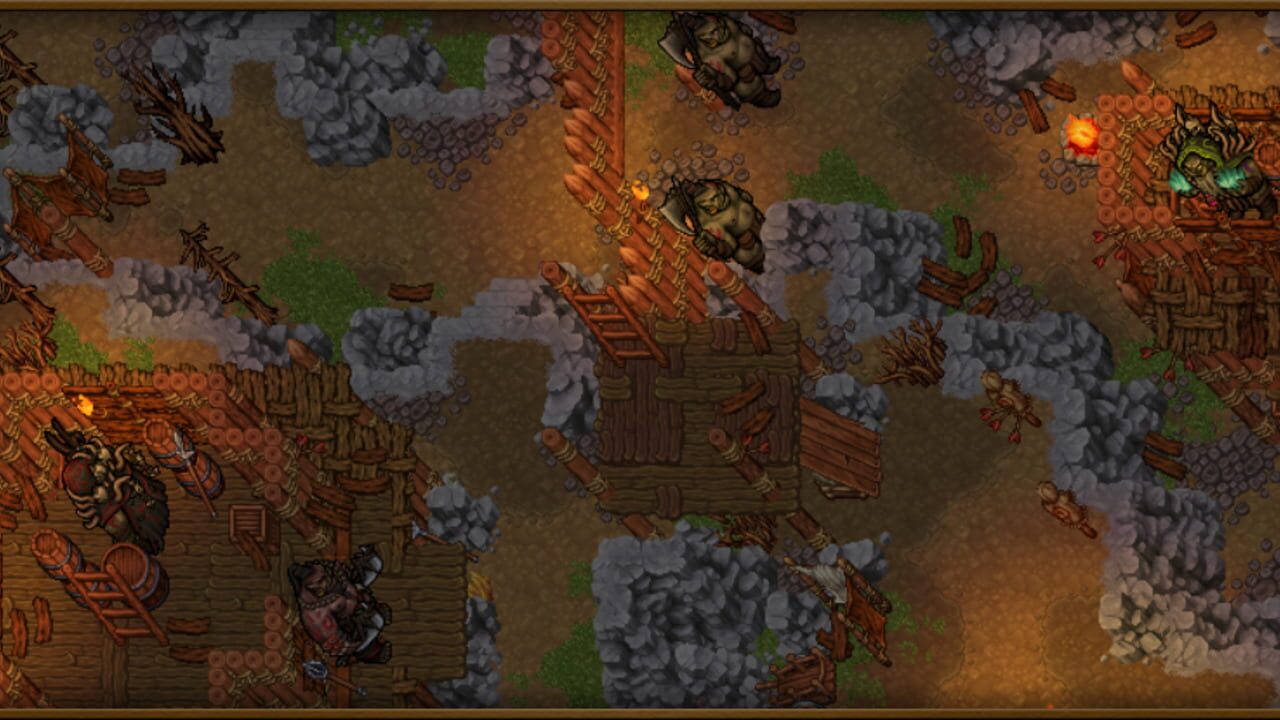 Editorial
Ravendawn: Solo T3 Farming Guide — Best Class Routes & Resources
Ravendawn solo T3 farming guide: best class builds, spawn routes, resource gathering tips, and efficiency strategies for leveling fast in the fantasy MMORPG.
 Editorial
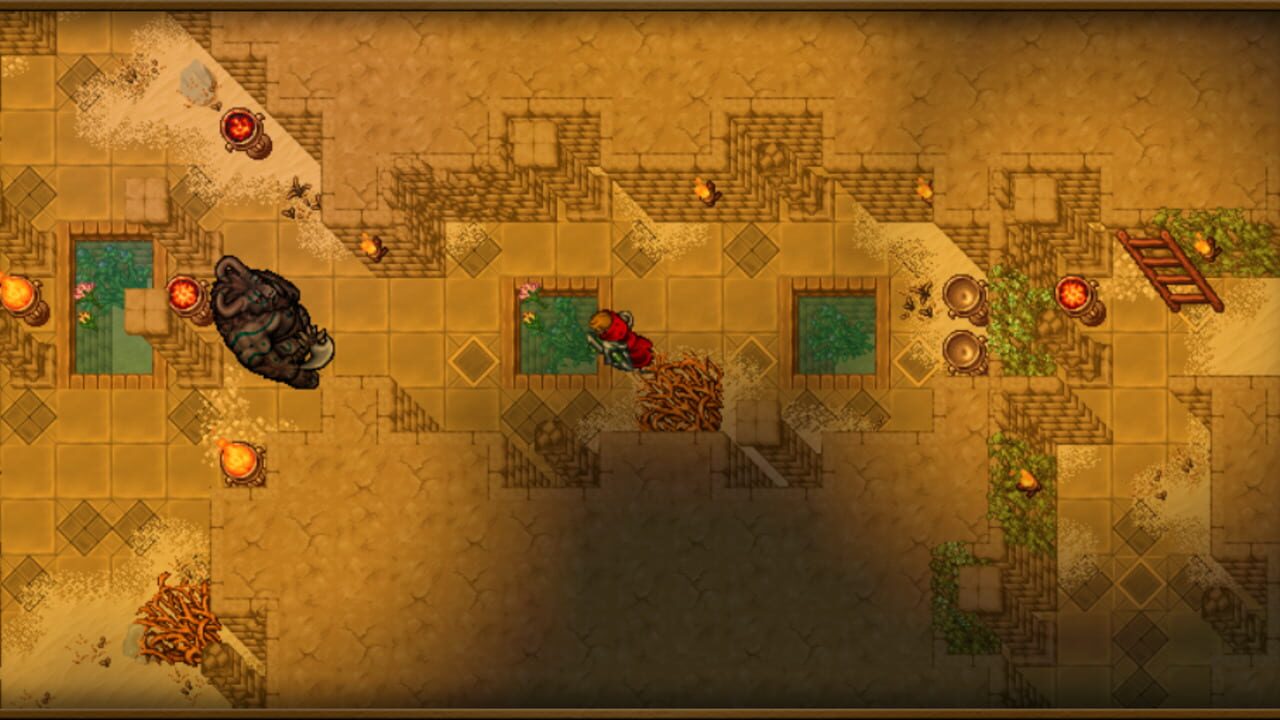
Ravendawn Sajecho Island Trade Pack Route Guide 2026
Your complete 2026 guide to running the Sajecho Island trade pack route in Ravendawn. Compare safe vs risky paths, maximize profit, and sail smarter today.
 Editorial
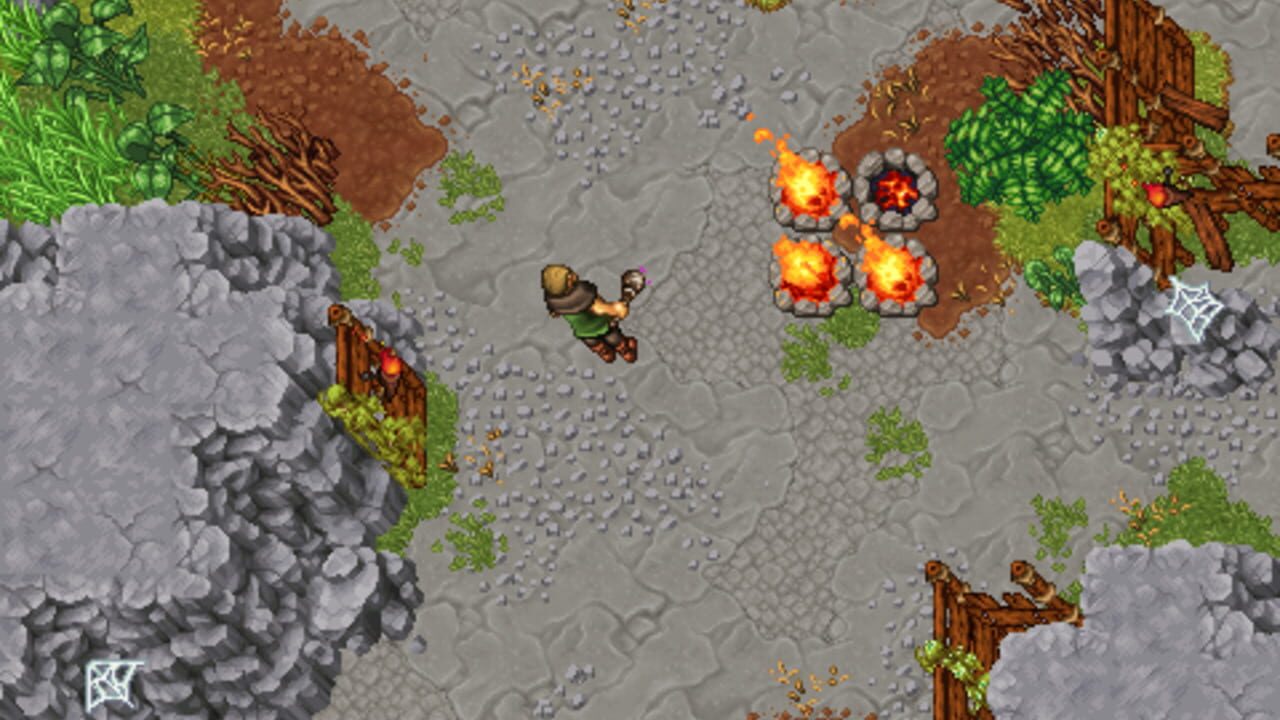
Ravendawn Beginner Guide 2026: Classes
New to Ravendawn? Class system, best starting builds, Legacy system and free-player tips.
 Editorial
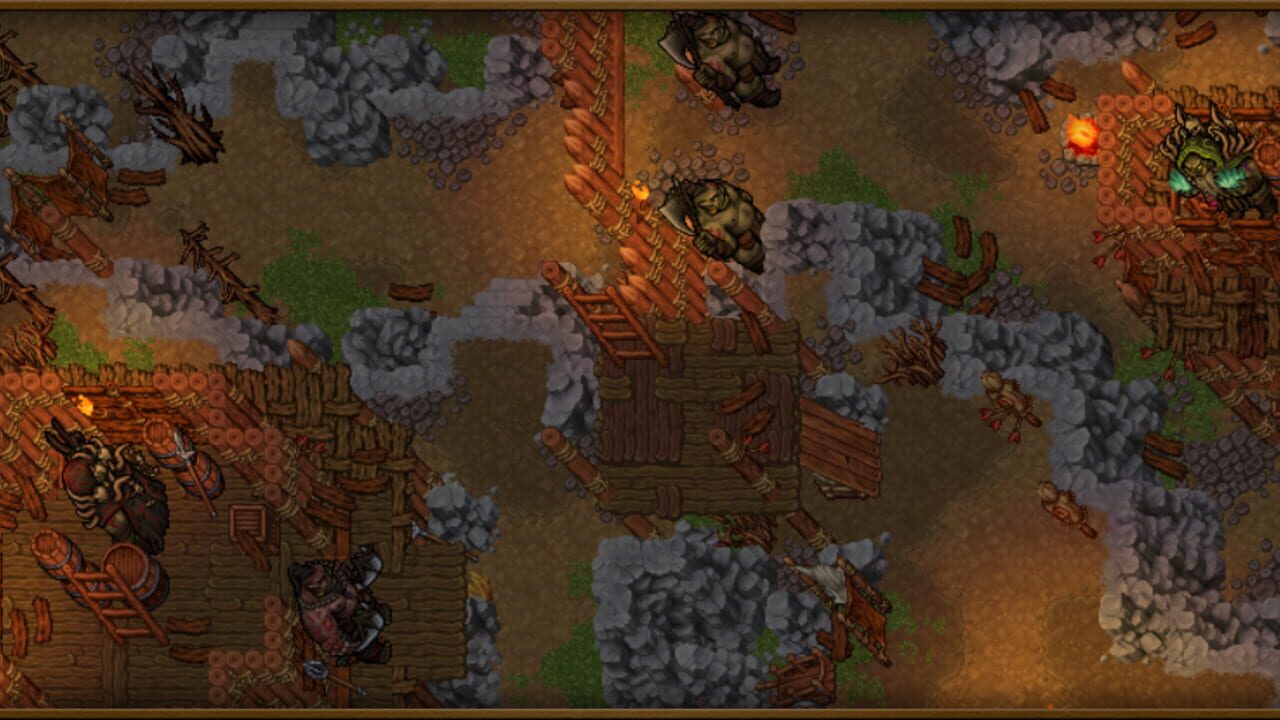
Ravendawn Economy Guide: How Trading, Crafting & Land Ownership Work
Master Ravendawn's player-driven economy. Learn how the marketplace works, which trade skills are most profitable, land ownership mechanics, and how to build.
 Editorial
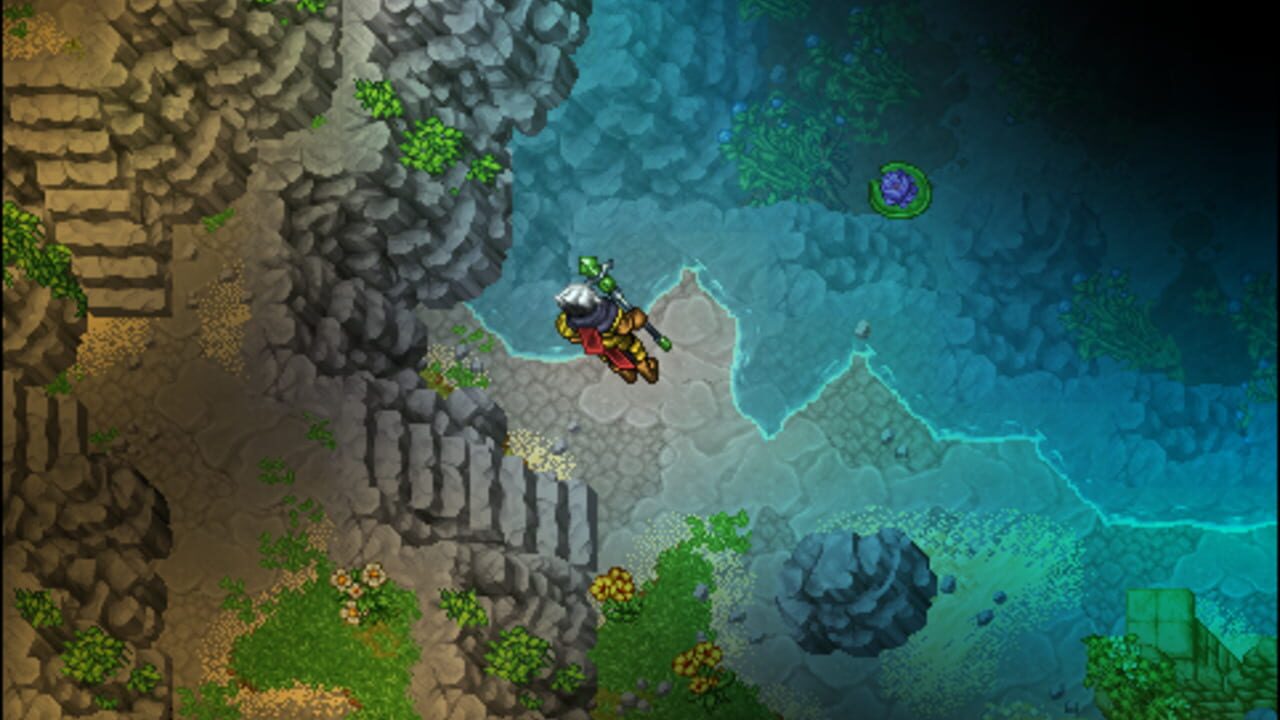
Ravendawn Infamy Guide: How It Works, Consequences & PK Reputation
Complete Ravendawn Infamy guide — what Infamy is, how you gain and lose it, the consequences of high Infamy, and how to manage your PK reputation effectively.
Loading news...
Ravendawn is a 2D open-world sandbox MMORPG from Tavernlight Games. Players combine three of eight archetypes to create unique builds in a Tibia-inspired world with player-driven economy.