Sandbox MMORPG
Wurm Online
Deep sandbox MMORPG where players terraform, build, and shape the world.
Open the Knowledge Base — the game's own numbers in plain EnglishThis knowledge base covers what a player of Wurm Online actually needs to know — what it means to start with no class, how the skill and occupation systems run your progression, how the block-based world works for building, and how the player-driven economy moves goods and money between players. Every rule and number here is the game's own. Where something is live — current region activity, trade prices, event schedules — the page says to check in-game rather than guess.
These are the game's own rules and constants — not live server data. Wurm is a long-running, player-built game: which regions are active, what prices are, and what the current event rotation is, check in-game on the region you are playing.
The game in one minute
What Wurm Online is, at a glance
A free, classless sandbox MMORPG where the world is block-editable, progression is driven by the skills you use, and the economy is run by the players themselves rather than the game.
Wurm Online is a classless sandbox MMORPG. There are no character classes to pick and no race: every character starts as an open blank, and the role you play — warrior, farmer, craftsman, merchant, builder — is the one you make by what you do. The world is built from blocks you can mine, place, and terraform, and the economy runs on what other players put into it. The numbers above are the game's own structure, not a community estimate.
Classless by design
No classes, no races: the role you build
A Wurm character is a blank. The game does not hand you a class; it hands you a skill system, and the role you become is the one the skills you invest in make.
There is no class list in Wurm. Every character starts open, and the occupation system — farming, mining, smelting, carpentry, smithing, and the combat skills that run on top of it — is what decides what your character does. A character that invests in the gathering and crafting skills becomes a producer; a character that invests in the combat skills becomes a fighter. The same character can be both, because the skill system does not gate one role behind another the way a fixed class list does.
→ How the skill system actually works: use-based leveling, not a class tree→Skills & occupations
The use-based skill system and the occupation layer
Skills level up by use, not by spending points on a tree. Occupations are the game's way of bundling the skill sets that fit a working role.
Wurm's skill system is use-based: you level a skill by doing the skill's work, not by spending points on a tree. The gathering skills come up from mining and chopping, the crafting skills come up from crafting, and the combat skills come up from fighting. The occupation layer bundles a set of skills that fit a working role — a farmer, a smith, a miner — and the occupations you take are the structure that tells the game which skill sets to develop together. The system rewards the character that actually does the work the occupation calls for, not the character that levels the fastest on paper.
The occupation layer meets the block world: building as an occupation→The block world
Building, mining and terraforming the world
The world is built from blocks you can mine, place and rearrange. Terraforming and building are not separate 'creative' modes in Wurm — they are part of the same world the combat and the economy run on.
The Wurm world is a block-based persistent world: the terrain is made of placeable and mineable blocks, and the same block system that builds the landscape builds the structures on top of it. Mining a hillside for the resources in it changes the hillside, and building a city on a plateau is the same operation as placing blocks. The block world is what makes the economy player-driven: the resources that feed the crafting and the building are the resources other players dig out of the ground, and the goods that move between players are the goods other players built from those resources.
→ The block world meets the player-built economy: towns as the structure that holds the two together→Economy & trade
The player-driven economy: goods, mail and wagon routes
The economy in Wurm runs on what the players put into it. Goods move between players through mail and wagon routes, and the prices are set by the players, not by the game.
Wurm's economy is the players' own: the game does not set prices, it sets the rules, and the prices are the prices the players agree on. Goods move between players through the mail system and through the wagon routes that the game runs between towns, and the player who runs a wagon route is the one who decides what the route carries and what it costs to move it. The economy is not a shop list you can read off a screen — it is the living thing that the players build, and the same good that is worth a lot in one town is worth little in the next.
→ Towns as the structure that holds the economy: where the goods meet the routes→Towns, guilds & the endgame loop
Towns, guilds and what a player does once the early game is behind them
A town is the structure that holds the economy and the guild system together, and the endgame loop is the one the players themselves set: the goals are the ones the region's community decides to chase.
Towns are the anchor of the Wurm world: the place where the wagon routes meet, where the goods come to be sold, and where the guild system and the region's own structure live. Once the early game is behind a character, the loop is the one the players set — the goals are the ones the region's community decides to chase, and the region that runs a strong community is the region that holds the loop together. The game provides the structure, the players provide the content on top of it.
→ The town entry: what a town actually does in the game→The game's own numbers, in plain English — start from the Knowledge Base →
 Editorial
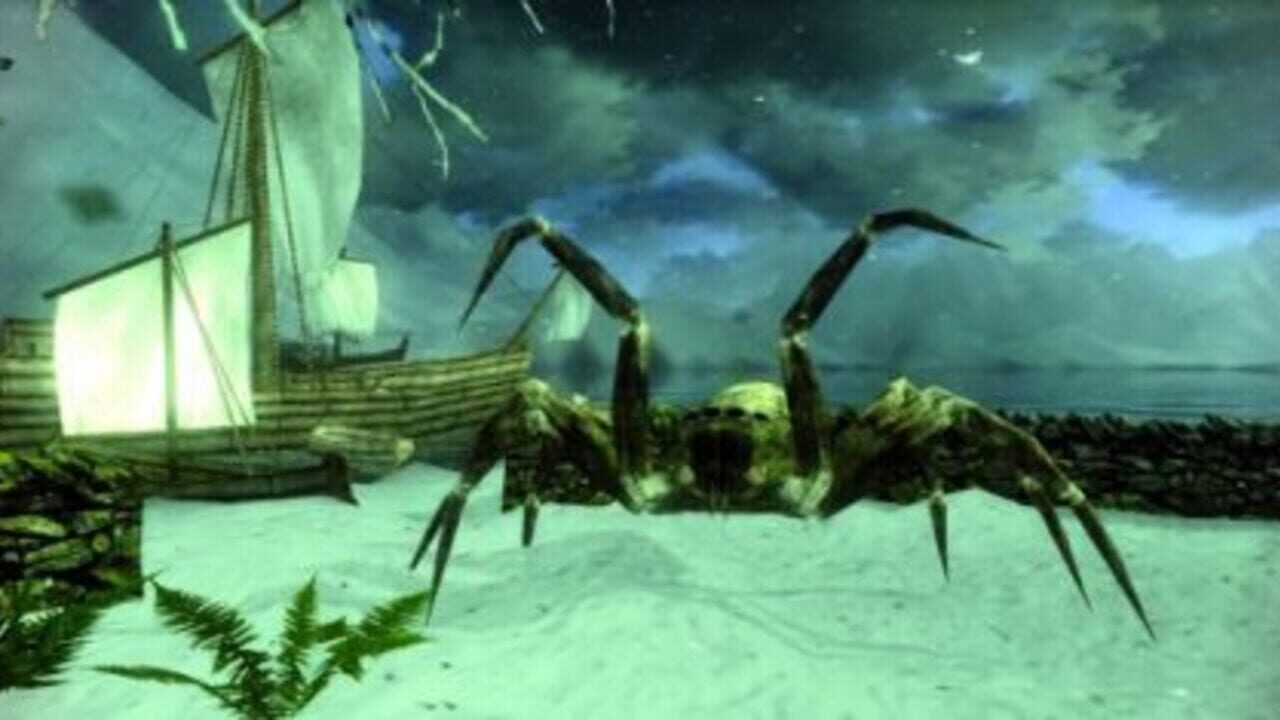
Wurm Online Valentine's 2026 Hearts: Locations, Rewards & Crafting
Find every Valentine's heart in Wurm Online 2026. Server locations, Heartseeker title, Love Potion rewards, Cupid minons, and Rose Bouquet recipe inside.
 Editorial
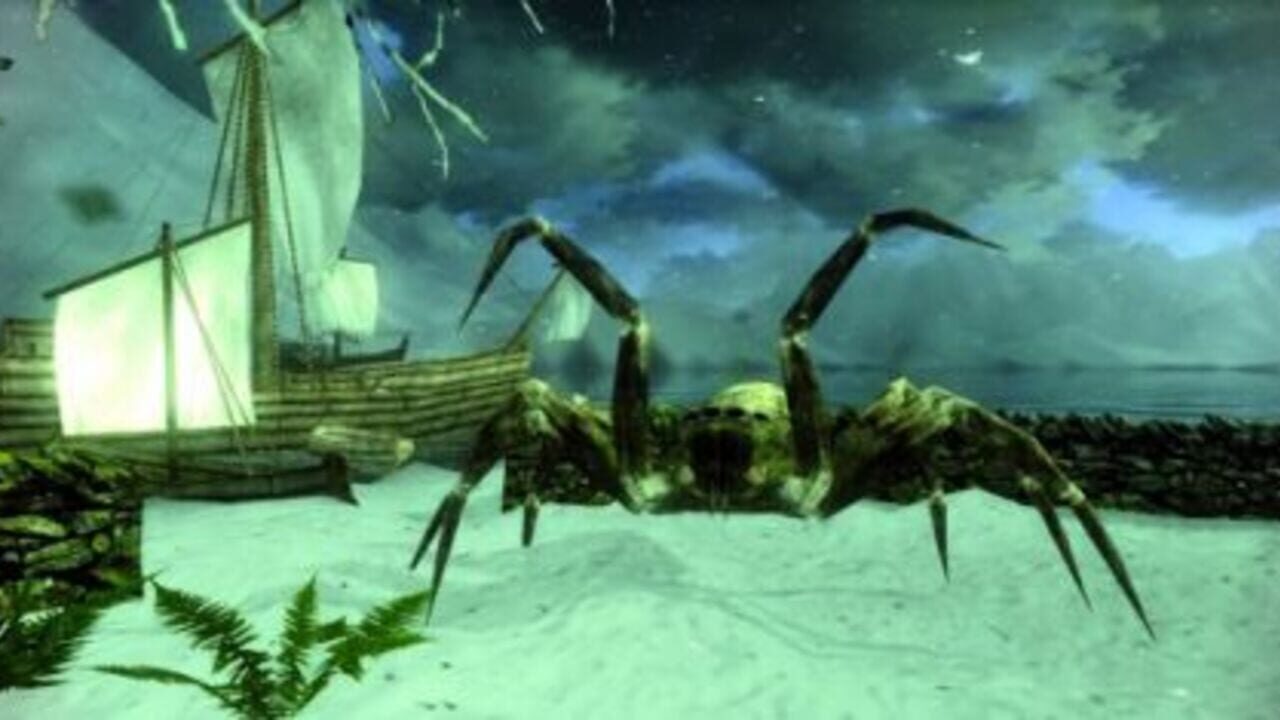
Wurm Online Beginner Guide 2026 — Best Start, Skills and Terraforming
New to Wurm Online in 2026? Complete beginner guide covering character creation, core skills, terraforming, building, and how to survive your first days.
Loading news...
Wurm Online is a deep sandbox MMORPG where players can terraform the landscape, build massive structures, craft items, and create their own settlements.