Classic Sandbox MMORPG
Ultima Online
The original sandbox MMORPG from 1997. Full player freedom, housing, crafting, and PvP. Outlands private server keeps it alive in 2026.
Open the Knowledge Base — the game's own numbers in plain EnglishThis knowledge base covers Ultima Online — the long-running 2D MMORPG — in plain English: the skill-and-profession model where you build a character out of skills instead of picking a class, the era-based shards and which ruleset each runs, and the live loops (pets, crafting, housing) that have kept it running for decades. Every rule and number here is the game's own. Where something is live — shard ladders, prices, the current season content — the page says to check in-game rather than guess.
These are the game's own rules and constants — not live server data. For current shard ladders, prices and the season's content, check in-game.
The game in one minute
What Ultima Online is, at a glance
A long-running 2D top-down MMORPG built on a skill-and-profession model: you shape a character by what skills you push, not by a class button.
Ultima Online is one of the oldest commercial MMORPGs still running, in a 2D top-down world. Instead of picking a class, you build a character by choosing three primary skills at creation and then pushing any of the game's 50+ skills — combat, crafting, magic, social — into the professions that come out of them. The game has run on several rule sets (eras) for decades, and is free-to-play, so the current shape you see is the newest season's, on top of a very long history.
Skills & professions
How a character is built out of skills
You pick three primary skills, then push any skill in the list; the professions fall out of the mix you make.
There is no class list to choose from. At creation you select three primary skills — the ones your character starts stronger in — and from there you can invest in any of the game's skills: combat and weapon skills, magic, crafting, social and more. The way you stack them is the character. A heavy mix of warrior skills makes a front-liner, a magic mix makes a caster, and a craft-and-trade mix makes an economy role. Most skills have a cap — the highest they can reach — and reaching it is the long-term goal of a build, so the build is a decision about which caps you are chasing.
How the model works
- Three primary skills at creation
- Any skill in the list can be trained
- Most skills have a hard cap
- Professions fall out of the mix
The roles a skill mix makes
Rule sets
The eras: which ruleset a shard runs
The game has run on several rule sets over the decades; a shard's 'era' is the rules it follows.
Because the game has a long history, it runs on several rule sets — the 'eras' — and a shard's era is the set of rules it follows. The well-known ones carry names like the original-era rules and the shadow-era and sacrifice-era updates, and the current season runs its own new era on top of that history. Two shards of the same era are not identical: each has its own population and economy, so the era is the rulebook and the shard is the specific server running it. When you pick where to play, the era decides what's allowed and the shard decides who you're playing with.
The live loops
Pets, housing and the long runs
The decades of life in the game run on a few steady loops: raising pets, owning housing, and chasing the skill caps.
The long-term game lives in a few steady loops. Pet training — a trained creature you can command and grow — is one of the most durable of them: a strong pet is a long build that pays out in combat and in the social scenes that run around it. Housing — the place a player or a guild owns — is the second: it is the home, the storage and the gathering spot that the social side of the game organizes around. And the skill caps are the third: the numbers you chase for a character over years, not weeks. These three are what keep an old game feeling alive, because they are the ones that never finish.
→ The pet-training loop on its own page→→ The housing loop on its own page→The game's own numbers, in plain English — start from the Knowledge Base →
 Editorial
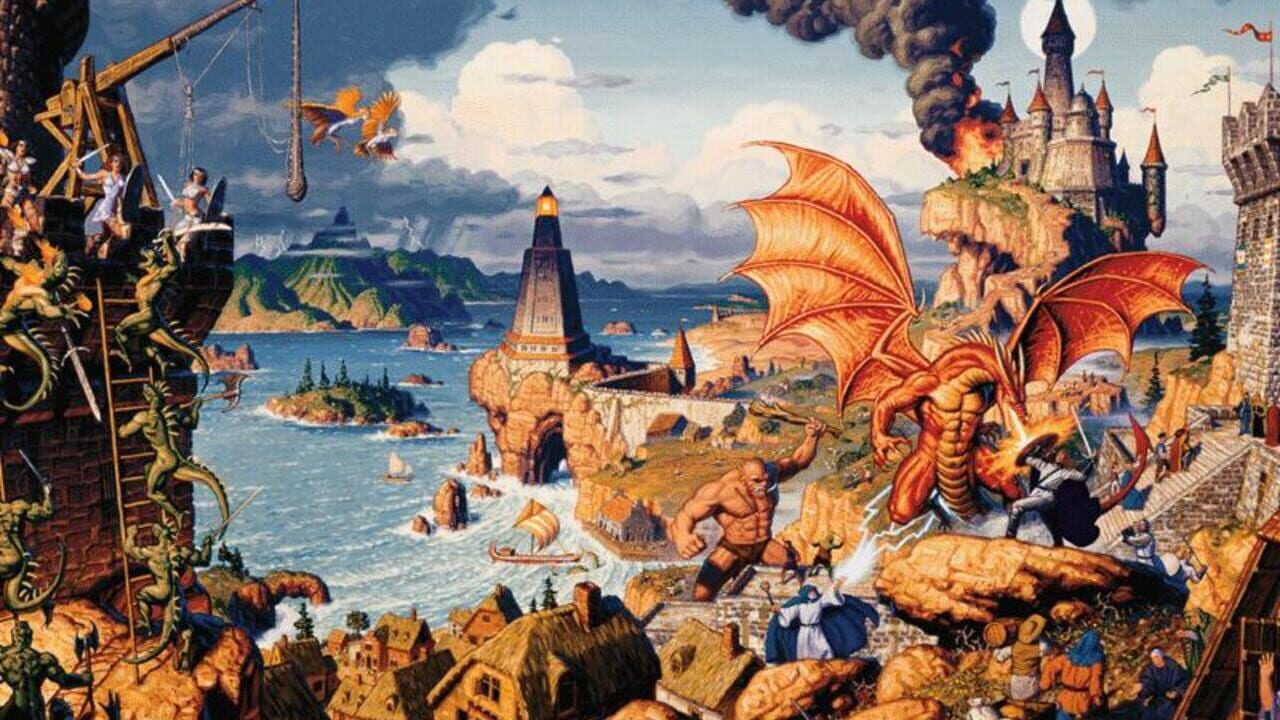
Ultima Online Beginner Guide 2026: Outlands, Skills, Housing & Start
Complete Ultima Online beginner guide for 2026. How to start on Outlands server, choose your template, train skills, buy a house, and survive your first week.
 Editorial
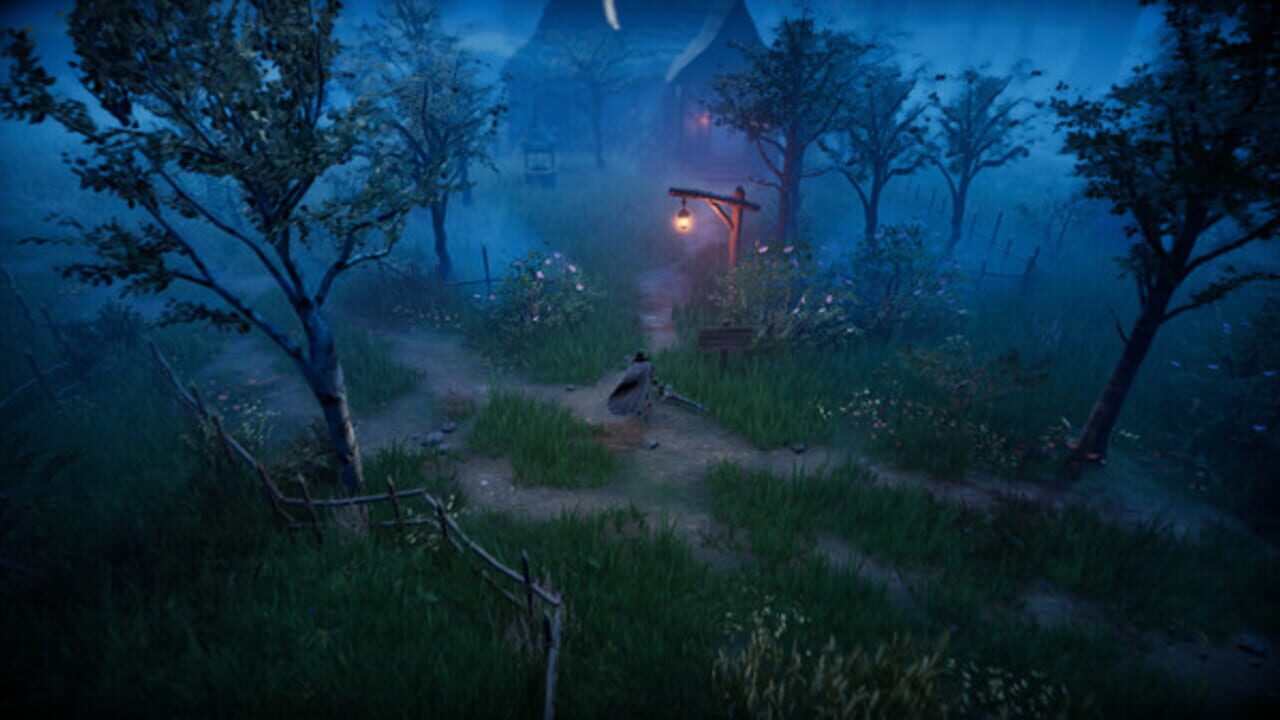
Ultima Online Outlands Skills Guide 2026: Templates
Ultima Online Outlands skills guide 2026: best PvE and PvP templates, mage vs dexxer, and 720 skill point builds.
Loading news...
The original sandbox MMORPG from 1997. Full player freedom, housing, crafting, and PvP. Outlands private server keeps it alive in 2026.