MOBA
Smite 2
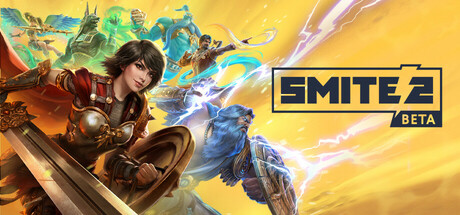
Third-person MOBA with mythology-based gods, skill-shot combat, and cross-platform play. Sequel to Smite.
Open the Knowledge Base — the game's own numbers in plain EnglishSmite 2 is a standalone third-person 5v5 MOBA from Hi-Rez, built around a large roster of gods and legendary figures pulled from a wide set of mythologies. Rather than a fixed class list, the game sorts its roster into a handful of team roles, and its newer Aspects layer lets the same god run in different builds. This reference covers what the game is, how its roles and aspects work, the team game modes, and the progression underneath — in plain English. Every rule and number here is the game's own; the live roster count, the current meta and any event are things you check in-game.
These are the game's own rules and numbers, not a live read. The roster grows as new gods ship each patch and the meta moves fast, so check the in-game roster and the lobby before committing to a god.
The game in one minute
What Smite 2 is, at a glance
A third-person 5v5 MOBA played over each god's shoulder, built around a big mythology-spanning roster and a role-based team builder.
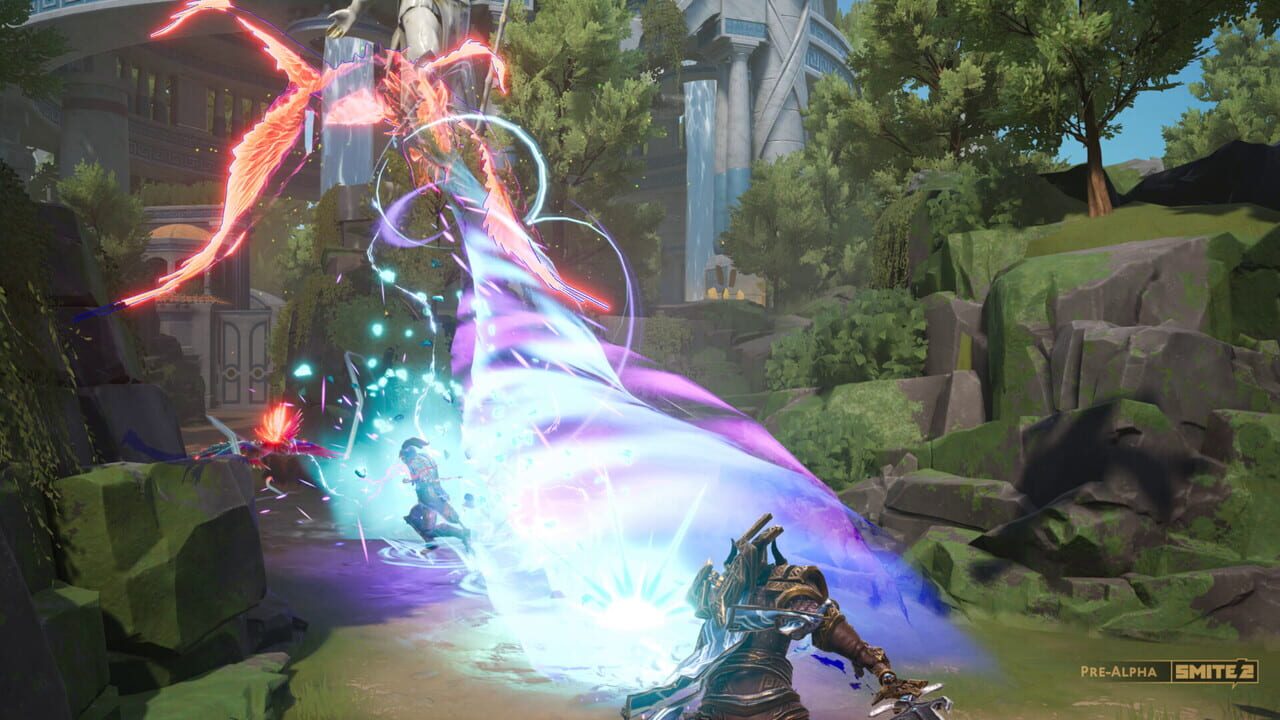
Smite 2 is the next-generation follow-on to the original Smite: a standalone third-person MOBA rather than a reskin of the old top-down game. You pick one god from a roster that spans Greek, Egyptian, Norse, Hindu, Aztec, Slavic and many other mythologies, then fight 5v5 matches where each team pushes toward the enemy's objectives. The over-the-shoulder third-person view is the headline change from classic Smite — you read the world at eye level, which changes how abilities and movement feel.
The gods
A roster drawn from the world's mythologies
Every playable character is a god, immortal or hero from a real mythological tradition. You choose by role, not by a narrow class list.
The cast is deliberately broad: Greek, Egyptian, Norse, Hindu, Aztec, Slavic, Celtic and a long tail of other traditions all show up, which is what makes the roster read like a walk through world mythology. Each god is self-contained — its own abilities, its own identity — and the lobby sorts all of them into a set of roles so a team can be built to fill those jobs.
The roles a team is built around
Roles & team builder
The roles a team is built around
The lobby organizes the whole roster into a few jobs. A balanced team covers each role; most gods fit one or two of them.
| Role | Job on the team |
|---|---|
| Vanguard | Front line: hold positions, absorb damage, open the fight |
| Assassin | Roam and dive: get behind lines and pick off the enemy backline |
| Mage | Ranged burst and area control |
| Engineer | Sustain and utility: keep the team standing and pick the fights |
| Support | Enable teammates with vision, healing pressure and crowd control |
The team builder nudges you toward covering every role, because a team with no front line or no backline pressure is the team that loses. Which role a god is labeled under is the game's own, and several gods are listed under two roles, so the same name can slot into more than one job.
Each role on its own page
The build layer
Aspects: the same god, different forms
Aspects are Smite 2's build system — a god is no longer a single fixed loadout, but a character that can be taken in different forms.
Under the Aspects layer, the roster god you pick can be run in more than one shape. Each aspect reshapes part of the kit — the moves, the strengths, the feel — so the same name can be a different tool in your hand depending on which aspect you run. You choose the aspect that fits the role you're filling and the kind of match you're in, which means one god can carry two very different play styles.
→ The aspects page, and how they sit on top of the roles→Matchmaking
The team game modes
Conquest is the main objective mode; the other modes mix the same roster into different win conditions.
Conquest is the core: teams race to break the enemy's towers and take down their base, with objective pushes and jungle fights in between. Other modes reuse the same gods and roles under different win conditions — shorter or team-based formats, special objectives, events — so the roster travels to every mode even when the rules change around it.
→ The modes themselves, side by side→Progression & economy
How you level and gear up
Progression runs on playing matches to level and earn gear, plus a cosmetic paid layer — the gods themselves are earned, not paywalled.
Because the game is free-to-play, the paid layer is cosmetic: skins, effects and other dressing, not access to gods or to their aspects. You earn progression by playing — leveling your character and the roster, and getting the gear that goes with it. The result is that what you unlock is how you look and how far you've pushed your account, while the playable gods stay open to everyone.
The game's own numbers, in plain English — start from the Knowledge Base →
🔄 Updated this fortnight
Loading news...
Third-person MOBA with mythology-based gods, skill-shot combat, and cross-platform play. Sequel to Smite.