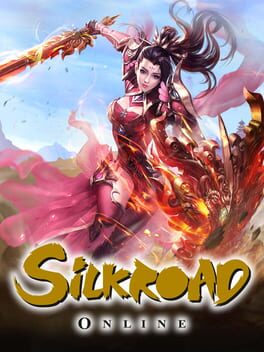
MMORPG
Silkroad Online
Trade-route MMORPG with job system, caravan trading, and PvP along the historic Silk Road. Active since 2005.
Open the Knowledge Base — the game's own numbers in plain EnglishThis knowledge base covers Silkroad Online — the fantasy MMORPG set on the 7th-century Silk Road between China and the West, famous for the trading economy that gives the game its name. It explains the three-faction structure (Traders, Hunters and Thieves) that runs the whole PvP and economy model, the cities along the route, the class system, and the siege and dungeon loops that carry endgame. Every rule and system here is the game's own; anything live — server populations, market prices, event schedules — the page says to check in-game.
These are the game's own systems and rules — not live server data. For market prices, event timers and server state, check in-game.
The game in one minute
What Silkroad Online is, at a glance
A fantasy MMO built on the 7th-century Silk Road, where the economy is the game: you are a Trader, a Hunter or a Thief, and the three of you are the same system.
Silkroad Online is the MMO that named its economy the genre's: set on the trade route between China and the West, it is built around the idea that the game's world is a market. The design splits players into three interlocking roles — the Traders who move goods across the route, the Hunters who defend the route from the wilderness, and the Thieves who raid it — and the three run the same system from opposite sides. You play the one you picked: hauling goods under escort, holding the road, or hitting the convoys. That triangular conflict is the game's spine, and it is why the Silk Road in the title is not a set dressing — it is the whole point.
The triangular conflict
Traders, Hunters and Thieves
The game's three factions are one system: the road, the guards of the road, and the raiders of the road — each one earns the way the other two lose.
| Faction | Role on the road | How it earns |
|---|---|---|
| Traders | Move goods along the Silk Road | Value is in the convoy: the goods, and the risk of moving them. |
| Hunters | Defend the road from the wilderness | Hunt the game's creatures and protect the route the traders run on. |
| Thieves | Raid the route and the convoys | The raid is the job: take what the other two are holding. |
The triangular conflict is the design of the game: the three factions need each other to exist, and that is exactly what keeps the system alive. A road with no traders is not worth guarding; a road with no thieves is not worth raiding. Each faction's economy is a different answer to the same map — the traders run the route, the hunters keep it safe, and the thieves are what the road is worth. The balance is a live thing that moves with the game's own tuning; the structure is the game's own.
→ The three factions as one system, on its own page→The class system
Classes and the job model
The game's class system builds on the faction layer: you start from a base class and take it to a second job, the way the classic MMO structure does.
Silkroad Online's characters run the classic two-stage job system: a base class you play through the early game, then a second job that reshapes the kit once the character has earned it. The class you pick decides how you play your faction's role — a Thief who can hold a fight against a convoy is not a Thief who runs from it, and a Trader who can defend the goods is not a Trader who sits in the convoy and watches. The class roster is the game's own design; the live state of any of it — what the current second jobs do, how they balance — moves with the game.
→ The base job and second job, on its own page→The trading economy
The Silk Road economy: goods, convoys and value
The economy is not a side system — it is the game's central loop, and the route from China to the West is where the value moves.
The trading economy is the game's loop: goods move along the route between the cities, and the value of a convoy is the risk of the road — the hunters who guard it, and the thieves who hit it. The city market is where the goods sell, and the price is a live thing that moves with supply on the route, the state of the road, and what the other two factions are doing to it. The model is the game's own; the prices are not a table, they are the sea. That is the whole design of the game: an economy that runs on a live risk, not a shop.
→ The cities and the route, on their own page→The endgame loops
Sieges, dungeons and world bosses
The game's endgame is the classic MMO stack: the fortresses and the siege wars, the dungeons and the world bosses — all of it on top of the economy the route runs.
The endgame is where the faction system meets the classic MMO loops. The fortresses and the siege wars are the big PVP event: a faction that holds the road can take the fort, and the fort controls the route it sits on. The dungeons are the PvE content the parties run, and the world bosses are the shared event that pulls the server to one place at one time. The three sit on top of the economy, not beside it: the siege is a fight over the road, the dungeon is a fight over the loot, and the boss is the fight the server is all in. The live versions of all three — timers, drop rates, siege state — are in-game data.
→ The sieges and the shared events, on their own page→The game's own numbers, in plain English — start from the Knowledge Base →
 Editorial
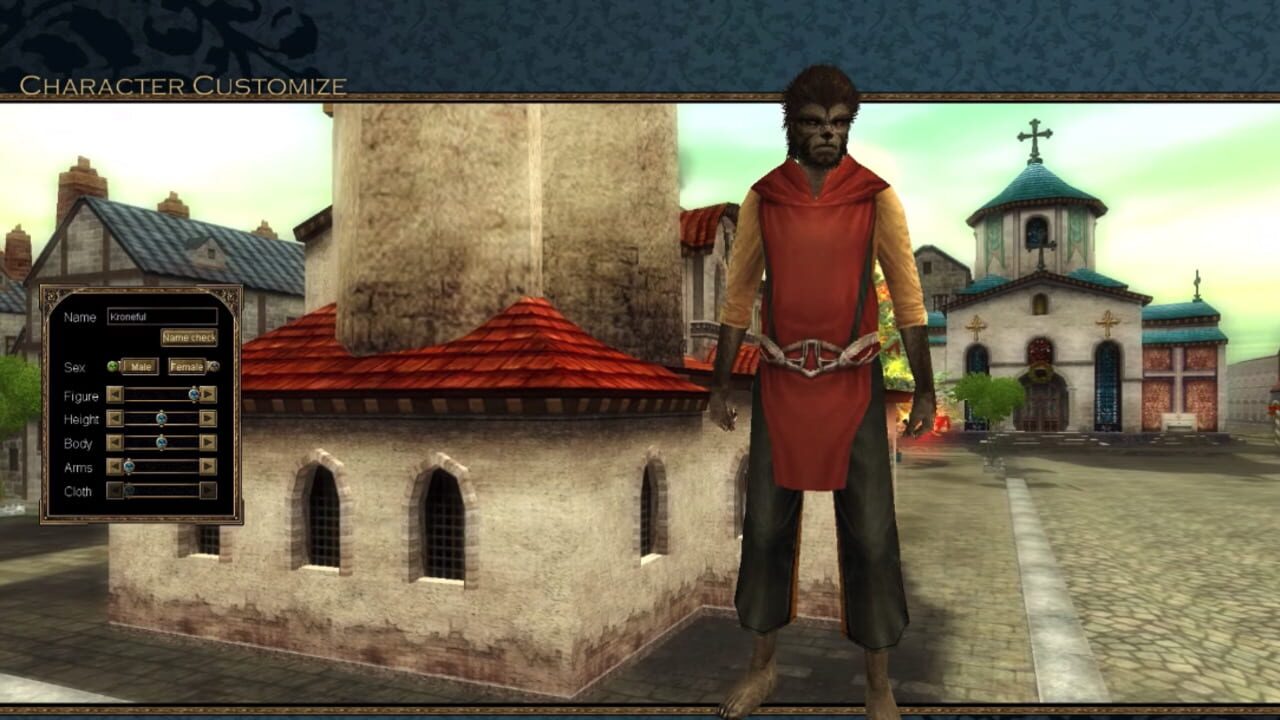
Silkroad Online Forgotten World Guide: Dungeon System Explained
Complete walkthrough of Silkroad Online's endgame instanced dungeon, covering entry mechanics, floor progression, party optimization, reward economy, and.
 Editorial
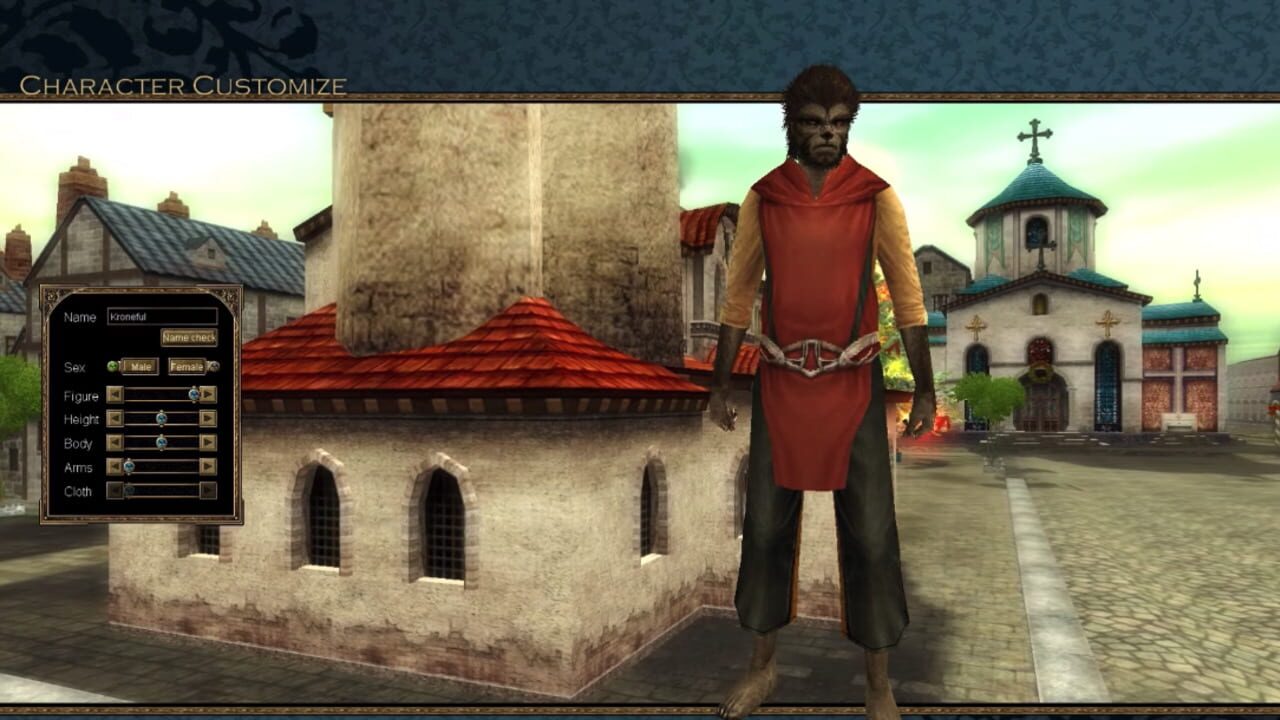
Silkroad Online Job System Guide 2026
Silkroad Online job system: Hunter, Trader and Thief triangle, caravans, job levels and rewards.
Loading news...
Trade-route MMORPG with job system, caravan trading, and PvP along the historic Silk Road. Active since 2005.