Survival
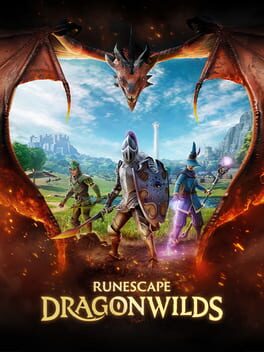
RuneScape: Dragonwilds
RuneScape survival leaves Early Access with Scorned Wilderness update.
Open the Knowledge Base — the game's own numbers in plain EnglishThis knowledge base covers RuneScape: Dragonwilds — Jagex's co-operative survival crafting game set on Ashenfall, a forgotten continent of the RuneScape world where the dragons have awoken. It explains how the game plays: gathering and surviving the open continent, the skill and craft loop that turns raw resources into gear, the dragons that roam the map, and the co-op session model. All the rules here are the game's own. Where something moves — update cadence, seasonal events, balance numbers — the page says to check in-game.
These are the game's own rules and systems — not live server data. For current events, balance changes or patch notes, check in-game.
The game in one minute
What RuneScape: Dragonwilds is, at a glance
A co-operative survival crafting adventure: you wash ashore on Ashenfall, gather and build, climb the skill trees, and work your way up to the Dragon Queen who woke the dragons.
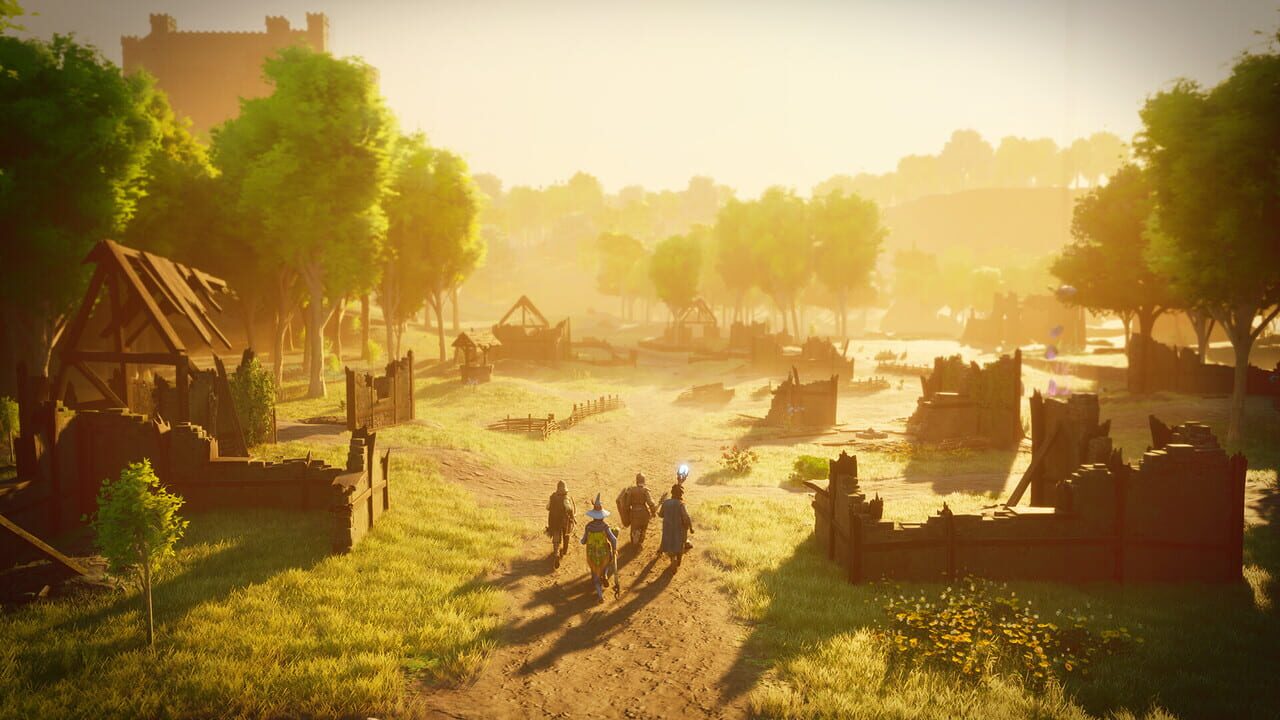
RuneScape: Dragonwilds is not one of the main RuneScape MMOs — it is its own survival game set in the same world. Ashenfall is a continent the old story left unexplored, and the hook is simple: the dragons are back. You start with nothing, gather to eat and keep warm, build shelter, and craft your way up the skill ladder so you can finally stand a chance against the Dragon Queen and her brood. Sessions are small — you host your own world with up to three friends — which is what keeps the survival loop tense: the continent is hostile and the dragons do not wait for you to level.
The continent's systems, on their own pages
Survival loop
Needs, weather and building on Ashenfall
Before you can fight anything, the continent tries to kill you: food, warmth and shelter are the first systems you learn, and building is your main defence.
The survival layer runs on needs you have to keep topped up: hunger, and warmth, which is the harder one at night and in the cold parts of the map. You gather what the land offers — forage, hunt, fish — and turn it into cooked food. Shelter is the survival system's centrepiece: you can build and upgrade your own base out of gathered materials, and a proper camp changes how far you can push into dragon territory at night. The game's own progression is forgiving about how you mix these — you can be an expert builder and a mediocre fighter, or the reverse.
The survival loop, in order
- Gather — food, fuel and building materials
- Keep the needs bar topped up — hunger and warmth
- Build and upgrade a shelter — your safe base camp
- Push into hostile territory — and fall back to camp when you can't
Skills & crafting
The skill ladder that makes you dangerous
Skills are the game's permanent progression: gathering, crafting and combat all level as you use them, and crafted gear is what turns a survivor into someone who can hunt dragons.
Every activity you repeat raises a skill, the way the main RuneScape line does: chopping, cooking, smithing and so on. Crafting is where the real value is — the materials you gather on Ashenfall become the weapons, armour and tools that open up tougher parts of the map. The loop is: a new material unlocks a new recipe tier, a new recipe tier lets you survive further from your base, and that lets you gather the next material. The Dragon Queen line of the story is the far end of that ladder: you cannot reach it with camp-level gear.
The dragons
The brood of Ashenfall and the Dragon Queen
The dragons are the game's endgame content: roaming threats that gate the continent, and the Queen who is the final act of the story.
The dragons on Ashenfall are not one enemy type — they run from small, survivable creatures you can hunt at mid levels all the way up to the major brood that defines the late game. Each encounter is the game's version of a boss fight: it has its own behaviour, and the game is at its best when a co-op team has learned how to handle a specific dragon. The Dragon Queen is the story's endpoint and the biggest fight in the game; everything in the skill and crafting ladders exists so you can finally stand in front of her. Which dragons appear where and how they behave is the game's own design; the live versions move with patches.
→ The final act, on its own page→Co-op play
How multiplayer works: host your own world
Sessions are small and host-based: one player hosts a private world, and up to three friends join it — your island, your dragons, your pace.
Multiplayer in Dragonwilds is host-based co-op rather than a shared persistent world. The host creates the session and sets who can join; up to four players in total clear the continent together, share the camp, and take on the big dragons as a team. That model is deliberate: survival games live on small social groups, and the host-based session keeps your world private from strangers while still giving the co-op its best moment — a four-person team coordinated around a major dragon. Progression is saved to your account, so coming back to your own world later picks up where you left off.
→ The session model in detail→The game's own numbers, in plain English — start from the Knowledge Base →
🔄 Updated this fortnight
Loading news...
RuneScape: Dragonwilds is Jagex's RuneScape-universe survival game leaving Early Access September 15, 2026 simultaneously on PC, PS5, Xbox Series and Switch 2. Scorned Wilderness update included. Built on RuneScape lore with crafting, survival and MMO progression.