Superhero MMORPG
City of Heroes
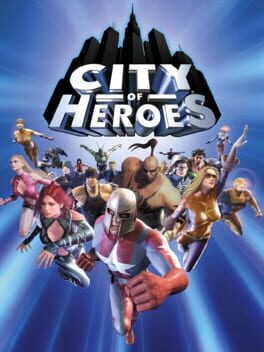
Beloved superhero MMORPG resurrected by the Homecoming private server. Create your own hero or villain, powers, and costume. Free to play in 2026.
Open the Knowledge Base — the game's own numbers in plain EnglishThis knowledge base compiles what a player actually needs to know about City of Heroes — the archetype and power-set system, the hero-versus-villain split that runs through everything, the leveling shape of the city of Paradigm City, and where the game stands today — in plain English. Every rule here is the game's own. The original service has ended, and the game now lives through community revival projects, so the live version you are playing is a fact you check against the project you use, not this page. What is here is the structure the game was built on.
The original City of Heroes service has ended; the game plays today through community revival projects (and their free versions cap the level at 50). This reference describes the game's own rules; which revival you play and its live content is yours to check.
The game in one minute
What City of Heroes is, at a glance
The original superhero MMORPG: pick a side, build a power set around one archetype, and run it in Paradigm City — where the same city is both your playground and your workplace.
City of Heroes is the game that made the superhero MMO: you create a hero or a villain, choose one of eight archetypes, and build your powers around it. The core of play is the city of Paradigm City — open world, no zones, the streets you fight on are the streets you stand on between fights — plus the missions that send you out to other content. The structure above is the game's own. The original service has ended, and the game now runs through community revival projects, so the live details — which project, what content it has, what it costs — you check against the project you play on.
The systems, on their own pages
The build
The eight archetypes and how they divide the fight
An archetype is the frame of your power set: it decides how you fight, who you stand with, and what your group needs you to do.
Every character is built from one of eight archetypes, and each archetype runs a different shape of combat. The Soldier and the Tank work the front: the Soldier trades raw damage for durability, the Tank exists to be hit and stay there. The Blaster is the ranged damage dealer, the Controller works from behind the lines amplifying the team, the Infiltrator and the Stalker fight in shadows, and the Defender and the Scavenger cover the protective and utility ends. Picking the archetype is the first real decision in the game, because it fixes the frame of everything that follows — the powers, the gear, the group role.
| Archetype | What it does in a group |
|---|---|
| Soldier | Melee front line; damage with some durability |
| Tank | The hold-the-line frame; soak what the group cannot |
| Blaster | Ranged damage, the classic backline shooter |
| Stalker | Fast melee and utility around the target |
| Infiltrator | Stealth and support from off the front |
| Scavenger | Utility and support with a survival frame |
| Controller | Works the team from behind, amplifying everyone |
| Defender | Protective frame; keeping the group alive |
The powers
Power sets: the primary, the secondary, and the late-game second
Your powers come in sets: a primary that is the frame, a secondary that rounds it out, and the late-game incarnation points that buy a second full set.
A character's powers are organized in sets. The primary power set is the core of the build — the frame the archetype is played through — and a secondary power set rounds it out with the tools the primary does not carry: a healer running a damage secondary, a tank running a mobility secondary. In the endgame the incarnation system kicks in: at the top of the level range, the game grants incarnation points, and those points buy further power sets, so a maxed character can carry a primary, a secondary and one more set on top. The total pool of power sets the game ships runs into the hundreds, and which ones fit your archetype is the build conversation the game was made for.
→ the primary/secondary/Incarnation structure→→ where the Incarnation points come from→The split
Hero or villain: the same city, two sides
The hero-versus-villain split is not cosmetic: it changes who you fight, who you protect, and what the city is for.
City of Heroes splits its players down the middle. Heroes defend the city: they clear the streets of threats and hold the public spaces. Villains work the other way — the city is their hunting ground, and the side they commit to changes which missions, which players and which world events face them. A villain playing the same city as a hero is playing a different game in it: the same streets, the opposite claim on them. Both sides run on the same rules, and the split is one of the defining shapes of the game's design.
→ what the side choice actually changes→The world
Paradigm City: no zones, no loading screens
The open-city model is what makes the game a city game instead of a dungeon game: everything happens in one place.
The heart of the game is a single open city: Paradigm City. There are no zone boundaries and no loading screens between the places you fight — the streets are the space, and the missions pull you out of it to their content and back. The city carries the game's public face: the hubs where characters stand between fights, the landmarks that anchor a district, and the in-city play that the side split runs on. What the city specifically looks like on the revival you use — its current state, its events — is that project's data; the open-city structure is the game's own.
→ the city as a system, on its own page→Where the game stands
The original service is over; the game lives on in revival projects
The most important fact for a new player: the official service has ended, and the game is played today through community-run revival projects.
City of Heroes' official service ended, and the game has continued since then through community revival projects that keep the world and its rules running. That is the honest state the reference has to start from: a new player in 2026 is not joining a live official service, they are choosing a revival project, and that choice decides the content, the level caps and the side-play they actually get. The game's own structure — archetypes, power sets, the side split, the open city — is what all of them run on, and that is what this reference covers. The projects themselves are live, moving things: check which project suits you and what it currently carries.
The game's own numbers, in plain English — start from the Knowledge Base →
No guides yet. Write the first!
Loading news...
Beloved superhero MMORPG resurrected by the Homecoming private server. Create your own hero or villain, powers, and costume. Free to play in 2026.