RvR MMORPG
Camelot Unchained
City State Entertainment's RvR-focused MMO. Features massive 50v50v50 realm battles, player-built structures, and a medieval fantasy setting.
Open the Knowledge Base — the game's own numbers in plain EnglishThis knowledge base compiles what a player actually needs to know about Camelot Unchained — the three realms the game is split between, the class structure that runs within each realm, and the realm-versus-realm core the whole game is built around — in plain English. Camelot Unchained is still in early access, so a lot of the content a full service would carry is not shipped yet: this reference sticks to the structure that exists and marks the gaps honestly. Every rule here is the game's own. Where something is live or still in development, the page says so rather than guessing.
Camelot Unchained is in early access. This reference describes the game's own structure; anything still in development or not yet shipped is marked, not filled in.
The game in one minute
What Camelot Unchained is, at a glance
A realm-splitting MMORPG: three warring realms, each with its own class families, and the realm-versus-realm fights that are the whole reason the game exists.
Camelot Unchained is a single-world MMORPG split into three realms — the Exeunt, the Devout and the Revenants — each with its own identity, its own class families, and its own claims on the land. The design axis is that the three realms do not coexist: they fight over the world, and the realm-versus-realm layer of PVP is the top of the loop, not a side mode. The game is still in early access, so large parts of the intended systems are not live yet; this reference describes what the game itself has shipped, and names the gaps plainly rather than filling them with guesses.
The realms and the class system, on their own pages
The three realms
Exeunt, Devout, Revenants — and why they don't coexist
The world is not one shared server with three teams; it is three realms that each claim the land and fight for it. That split is the core of the game.
Camelot Unchained does not run the usual 'one world, all races' MMO shape. It is one world with three realms — the Exeunt, the Devout and the Revenants — and each realm is a faction with its own classes, its own stance on the land, and its own claim to rule it. The realms coexist on the same map but do not coexist in good faith: the realm-versus-realm layer of the game is where the persistent territorial PVP happens, and it is the apex of the progression loop rather than a side activity. A player picks a realm at character creation, and that pick is the side they fight for from there on.
→ the Exeunt realm→→ the Devout realm→→ the Revenants realm→The class system
How classes run within a realm
Each realm carries its own class families; the game describes them as an extended holy trinity plus a rock-paper-scissors web, with at least five classes per realm at launch.
Within a realm, the class structure extends the classic trinity beyond 'tank, healer, damage': the game describes its class design as an extended trinity plus a rock-paper-scissors layer, where the classes counter each other in ways the trinity alone does not cover. Each realm launches with at least five classes, and the realms' class sets do not overlap one-for-one — a Devout class is not a Revenant class wearing a different skin, and the pick of realm is as much a class pick as a faction pick. Because the game is in early access, the full class roster is still growing; the structure described here is the game's own, and which specific classes are playable now is in-game data.
The design axes
- Extended holy trinity — beyond the classic three roles
- Rock-paper-scissors counters between classes
- At least five classes per realm at launch
- Realm and class are picked together, not separately
Where the loop tops out
Realm territory and the top of the loop
The apex of progression is the realm-versus-realm layer: the three realms fight over persistent territory, and holding it is what the top of the loop pays out.
Camelot Unchained is built so that the endgame is not a dungeon or a raid tier — it is the realm-versus-realm territorial fight. The three realms contest the map, and the realm that holds a piece of it gets the payoff that holding brings. What the payoff specifically is, and how the territorial system currently runs in live play, are in-game data: the game is in early access and the territorial layer is the part of the design most tied to the live state of the world. The structure — that territory is the top of the loop, not a side mode — is the game's own.
Where the game stands
Early access: what is live and what is not
Camelot Unchained is a game in development, not a finished service — a lot of the content a full release would carry is still being built, and this reference names the gaps instead of pretending they are filled.
The game ships in early access, and that means the content a finished service would have is not all here: realms and classes are still being added, the territorial layer is still being tuned, and systems that a full release would polish are still rough or absent. The developer publishes roadmap updates as the game moves forward, and the honest way to track what is live is the in-game state and the official update channels, not a static reference. This page describes the structure the game itself commits to — the three realms, the class web, the territorial apex — and marks the rest as not-yet-shipped rather than filling it in.
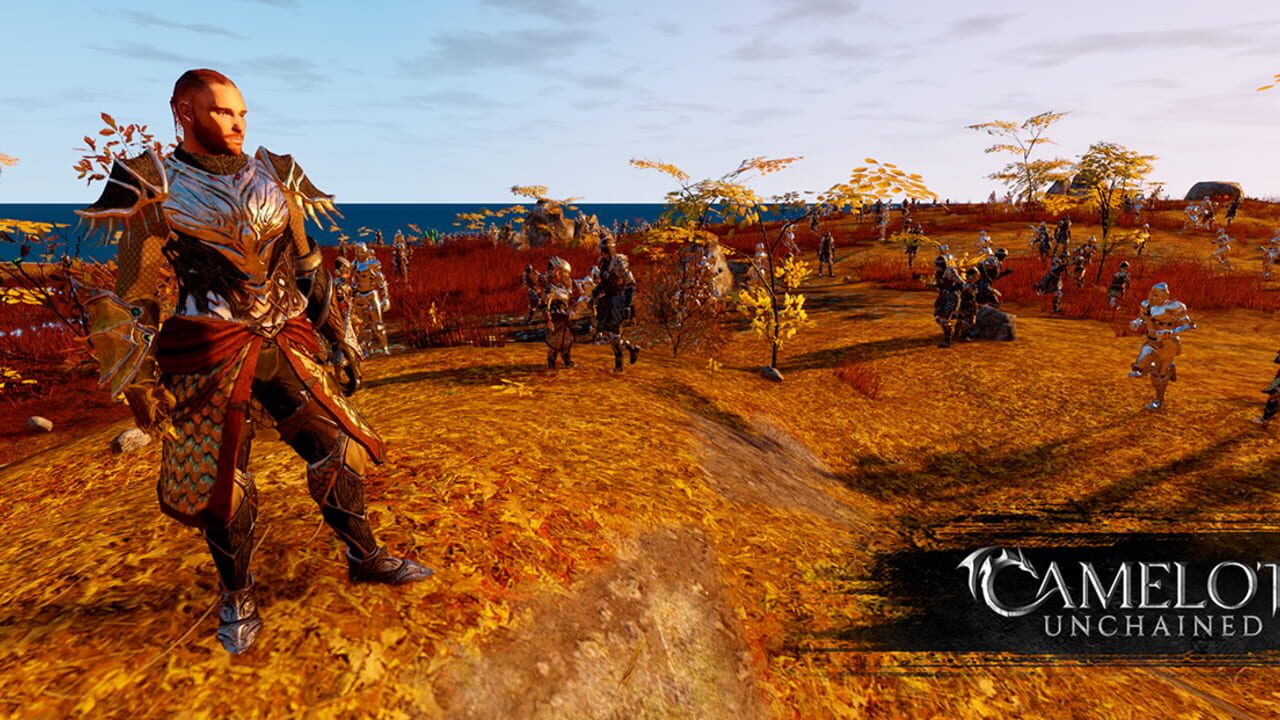
Loading news...
City State Entertainment's RvR-focused MMO. Features massive 50v50v50 realm battles, player-built structures, and a medieval fantasy setting.