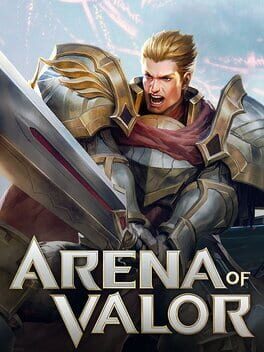
Mobile MOBA
Arena of Valor
Mobile MOBA with DC superhero crossover characters, 5v5 and 3v3 modes, and esports scene. Active since Oct 2016.
Open the Knowledge Base — the game's own numbers in plain EnglishThis knowledge base covers what a player actually needs to know about Arena of Valor — the mobile 5v5 MOBA: the six hero roles, how a match flows across the three lanes and the jungle, how heroes are picked and equipped, and where the competitive ladder sits. Every rule and role here is the game's own; anything live — ladder standings, the current hero pool, seasonal rewards — is marked check-in-game.
The roles, lanes and match structure are the game's own. Ladder ranks, the current hero roster and season rewards are live data — check in-game.
The game in one minute
What Arena of Valor is, at a glance
A classic-lane 5v5 MOBA built for mobile: short, objective-driven matches, six roles, and the same tower-push structure as the PC genre it grew from.
Arena of Valor is a free-to-play mobile MOBA with a classic lane layout: three lanes run from each base to the enemy's, and the jungle between them holds the shared objectives. You pick a hero for a role — marksman, mage, warrior, support, tank, or assassin — and win by taking objectives, pushing lanes, and destroying the enemy base. The mobile-first design keeps matches short: decisions come fast, and a single fight around the Dragon can swing the whole game.
The six roles
How the six hero roles divide the work
Every hero is one of six roles, and a few heroes carry a second one. The role is the job the hero does for the team — it's how you think about picks, not the hero's name.
The six roles split a team's work. The back line — marksman and mage — wins late fights with damage that scales, but needs cover. The front line — warrior, tank and the dive-heavy assassin — absorbs the pressure and opens fights. Support runs between the lanes to set up the team. Some heroes list a second role; the primary role is the one that defines their play.
| Role | Job in a team | Where it usually lives |
|---|---|---|
| Marksman | Ranged physical damage — the carry that scales into items | Bottom lane |
| Mage | Ranged magic damage and burst | Middle lane |
| Warrior | Durable melee damage, wins lane duels | Top lane |
| Tank | Soaks damage, opens team fights | Top lane or roam |
| Support | Buffs the team, controls fights, stays alive | Roams the map |
| Assassin | High-burst dive on the enemy backline | Jungle |
Each role, on its own page
Lanes & match flow
How a match actually plays out
Every match runs the same three-beat shape: early lane and jungle, mid-game roaming, and late-game objective fights around the Dragon.
Both teams start at their bases, heroes walk out to their lanes, and the lane minions start pushing. The early game is about holding your lane and winning the side fights; whoever first establishes an advantage starts moving — the support and assassin roam, the lanes trade, and the fights shift to the jungle objectives. The Dragon is the big one: taking it usually forces a fight, and the team that wins that fight can end the match by pushing the base.
The three beats of a match
- Early — hold your lane, secure the first jungle objective, play safe
- Mid — roam starts; the lead snowballs through map control
- Late — team fights around the Dragon decide who takes the base
Heroes, items & runes
Picking a hero and building it out
Heroes come from the roster and are defined by their role; items, rune pages and the physical-versus-magic split are how a pick becomes a build.
You draft from the hero roster, and the role is the honest way to sort it. Once in a match, a hero's kit — skills plus a final skill — is only half the build: the item page and a rune page tune how the hero lands. Damage type matters more than it looks; a physical hero built wrong against the enemy team's armor does almost nothing, and itemizing for the enemy side's threat is a core part of the game.
What shapes a build
- Damage type — physical or magic, and what it's built against
- Item pages — the loadout that turns a hero into its role
- Rune pages — the smaller stat layer under the items
- Team composition — your picks react to what the enemy is running
Ranked & esports
The ladder and the competitive scene
Casual play feeds a per-role ranked ladder, and the game runs its own esports circuit on top.
Beyond casual matches, ranked play tracks you up the ladder and the game carries an esports side — regional championships and an annual world final. The ladder and the season are where the competitive identity of the game lives, and the hero pool in esports moves faster than the casual one.
The game's own numbers, in plain English — start from the Knowledge Base →
🔄 Updated this fortnight
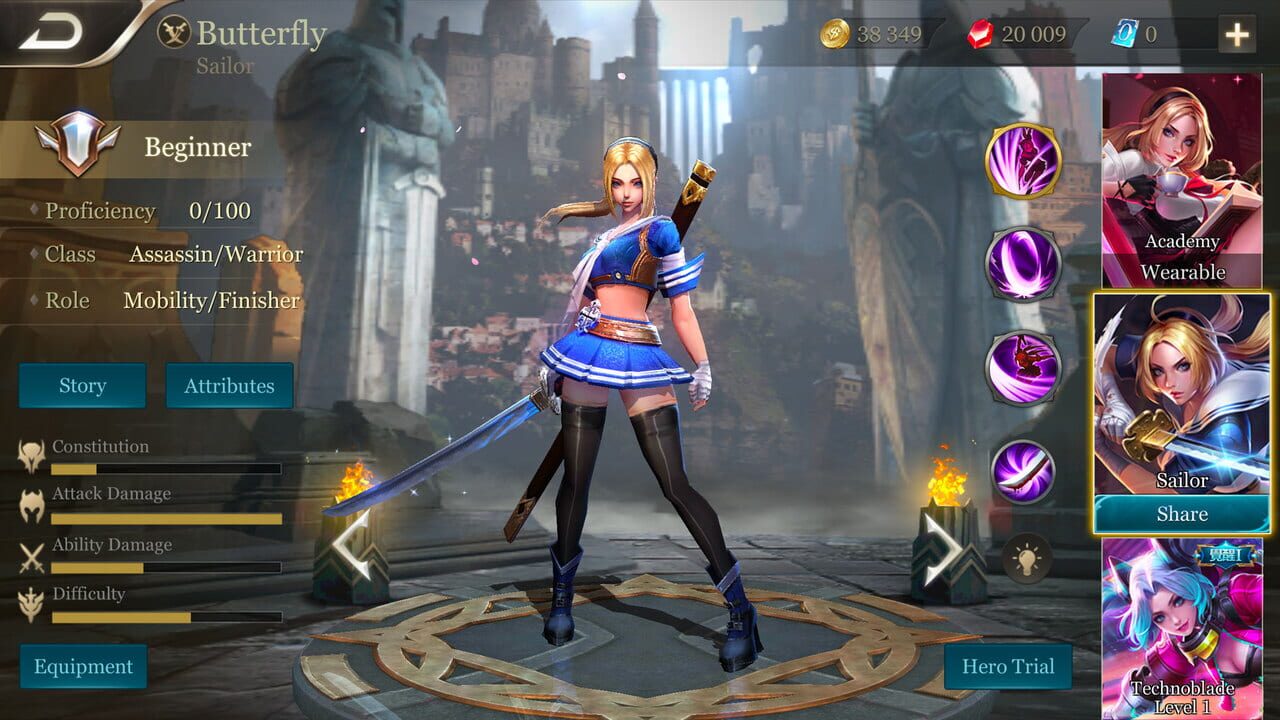
Loading news...
Mobile MOBA with DC superhero crossover characters, 5v5 and 3v3 modes, and esports scene. Active since Oct 2016.