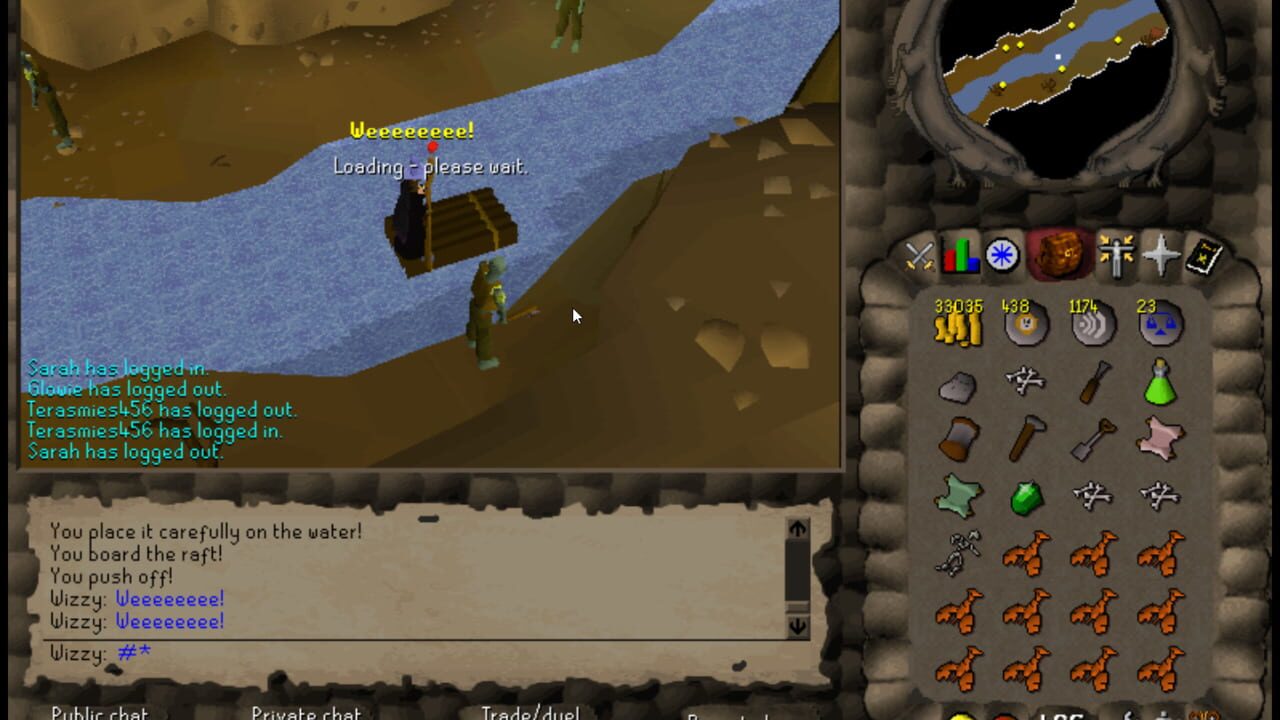
Intro
What’s up, OSRS players! Logging back into Gielinor in 2026? This guide is your playbook for stacking coins whether you’re farming for gear, a new house, or trying to hit 99s without going broke. These methods actually work right now. Let’s get this bread!
Core Mechanics
| Topic | Details |
|---|---|
| OSRS Economy Overview 2026 | Item values shift with seasonal events and league starts. Ironmen and hardcore accounts remain valuable year-round. |
| Gold Per Hour Benchmarks | Beginner: 50K–150K GP/hr |
| Key Updates Affecting Farming | Outdated low-value methods have been phased out over time. Construction-based gold farming has been reworked across recent updates. |
| Market Trends to Watch | F2P members buying supplies for league runs spike Grand Exchange activity ahead of each season. Herblore and Ranged supplies see 15–30% price increases during league windows. |
| Best Methods by Account Type | Free-to-Play: Fishing/Fletting/Gathering |
Step-by-Step
Method 1: Beginner — Fishing & Fletting (F2P Friendly)
This is the classic bread-and-butter method, and honestly? It still works in 2026. Head to the fishing spots near Lumbridge or the Fishing Guild if you’re members. Trout and salmon are your best friends — they sell consistently on the Grand Exchange with minimal price fluctuation.
Step 1: Stock up on bait if you’re fishing shrimps, or just grab a net from Varrock. For members, get the fishing rod and head to the Fishing Guild for the best experience-to-gold ratio.
Step 2: Fish your catch and either fletch them into bolts (if you have the Ranged levels) or just sell raw. Raw trout sells for around 80–120 GP each at steady rates. A full inventory of 14 trout nets you roughly 1,200–1,700 GP per trip.
Step 3: Cross-train your skills while you farm. Every fish you pull in also boosts Fishing, and if you fletch them, that’s Ranged XP too. Double efficiency!
Why this works: Low barrier to entry, no monster combat required, and demand stays stable year-round. During league prep, even more players need cheap food sources.
Method 2: Intermediate — Herblore Potion Making
Herblore is one of the most consistent gold-makers in old-school-runescape, and potion prices have remained solid. This method scales beautifully from early game to endgame.
Step 1: Pick your tier. Beginners should start with Attack potions (guam + mosquito larva) or Anti-venom (tarromin + cadantine). Intermediate farmers move to Super Attack/Strength/Range potions and Prayer potions (grim rat + snapdragon). Endgame farmers grind Combat potions (dragonfruit + torstol) and extended super potions.
Step 2: Buy unprocessed herbs from the Grand Exchange. The key is to buy when prices dip — typically mid-week, away from league season hype. Check the GE history tab to confirm you’re getting a fair deal.
Step 3: Process your herbs and combine them with the required jars of sand, liquids, or other herb parts. Make sure your Herblore level meets the requirement, or you’ll be melting your GP down the drain.
Step 4: Sell the finished potions on the Grand Exchange. Profit margins vary, but Combat potions at level 85 Herblore typically net 300–800 GP per potion depending on market conditions.
Pro tip: Time your herb purchases to sell when league seasons start. Players rushing to prepare will flood the market with demand, and potion prices tend to jump 20–40% during these windows.
Method 3: Advanced — Wilderness Supplies & Player Trading
The wilderness never gets old as a gold source, especially with the increased PvP population that comes with each new league announcement. This method requires comfort in high-risk areas but pays massively.
Step 1: Stock up on high-demand wilderness gear: Dragon chainbodies, Dharok’s, full armadyl sets, benches (yes, for the AFK traders), and high-tier boosters like Super combat potions and extended super restore potions.
Step 2: Set up shop at the edge of high-level wilderness zones — the area near the Chaotic East or close to the godWars dungeon entrance sees constant traffic.
Step 3: Trade with other players. The key here is speed and discretion. Use alt+click to accept trades quickly, verify item values in your trade window, and stay aware of your surroundings.
Step 4: Reinvest your profits into higher-tier supplies. Once you’re stacking 500K per trade session, move to armadyl gear trading and full boost supply packages that can net 1M+ per deal.
Risk note: You will get lootaled. That’s part of the game. Diversify your supplies so a single death doesn’t set you back too far.
Method 4: Endgame — Bossing & Raids
Let’s talk real money, fam. Bossing in old-school-runescape 2026 remains the king of gold generation, and boss drops and raid tiers see renewed demand ahead of league starts.
Step 1 — Tier 1 Bosses (Entry Endgame): Start with Zulrah, Vorkath, or general store-run bosses like K’ril Tsutsaroth. Zulrah alone can net 500K–1M+ per hour depending on your luck with rare drops. Vorkath offers steady income with his dragonstone necklace and scaled hide drops.
Step 2 — Tier 2 Bosses (Mid-Endgame): The Corporeal Beast, Nex, and Thermonuclear Smoke Devil deliver solid profits. Theatre of Blood entry-tier style runs and high-level solo bossing are very much alive in 2026.
Step 3 — Tier 3 (Full Endgame): The Theatre of Blood, Highest Singularity, and other top-tier raids remain the gold standard. A successful TOB run can net 2M–5M+ in a single pull when you factor in rare drops like the Blessed tome, weapons, and ornate key pieces.
Step 4 — Passive Income Multiplier: Combine bossing with Slayer assignments that align with your boss targets. This way, you’re killing two birds with one stone — completing Slayer tasks for XP and GP, then moving straight into your boss kill.
Community note: Join a raid group or team. Soloing endgame content in 2026 is doable but significantly slower. Guilds and Discord communities are actively recruiting, especially ahead of league launches when everyone’s trying to get their accounts in shape.
Method 5: League-Season Gold Generation
Here’s where it gets interesting for 2026. With OSRS league seasons offering unique opportunities to generate massive gold early that translates into real profit.
Step 1: Before a league starts, begin stockpiling league-relevant materials. In previous leagues, items related to the league mechanic saw 300–500% price spikes during the first week.
Step 2: Learn the league mechanic early by checking official announcements and patch notes. Understanding what a new season entails will let you target the right items before the rush hits.
Step 3: Sell your hoarded supplies within the first 48 hours of the league launch when demand peaks. After that, prices typically collapse as supply catches up.
Pro tip: Don’t hold onto league items past the first month. The gold you lock up is dead money — cash out fast and move to steadier methods.
FAQ
| Question | Answer |
|---|---|
| What is the best gold farming method in 2026? | TOB bossing for endgame (2M–5M+/hr), Herblore for intermediate (300K–800K/hr), Fishing for beginners (50K–150K/hr). Pick based on your skill level and gear. |
| Will league seasons change gold farming? | Yes — expect item price spikes in the first 48 hours. Stockpile league-relevant supplies before launch and sell fast. Prices typically drop after week one. |
| How do I time my Grand Exchange sales? | Buy mid-week when prices dip, sell during league windows and weekends when demand peaks. Check GE history to confirm fair deals before buying. |
Discussion
0 commentsNo comments yet. Be the first!