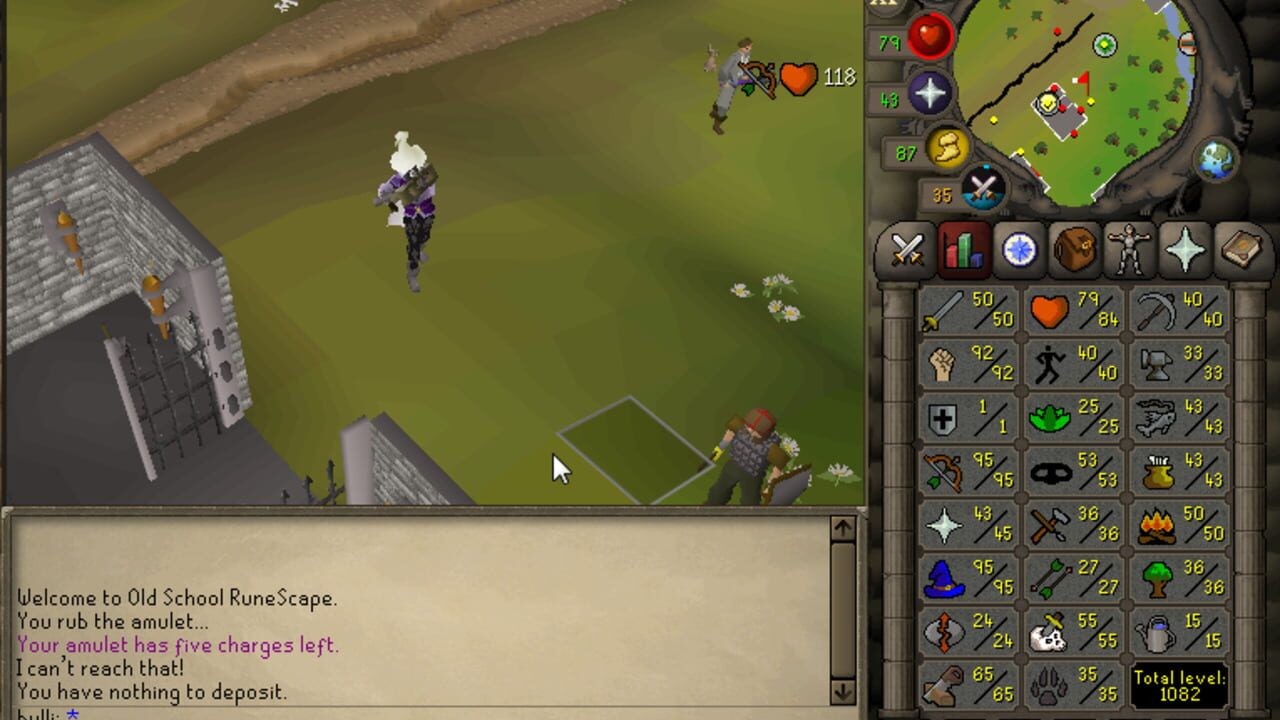
Welcome to old-school-runescape — the definitive guide for anyone stepping onto Gielinor in 2026. Whether you are a brand-new player or returning after years away, this guide covers everything you need to know. Jagex has kept the game fresh with seasonal Leagues, updated mechanics, and active communities, making 2026 one of the best times to start.
Old School Runescape rewards patience, strategy, and smart resource management. Every skill you train, every boss you defeat, and every quest you complete builds toward a meaningful character. This guide walks you through core mechanics, step-by-step progression paths, and practical tips from veteran players.
Core Mechanics
| Mechanic | What It Does | Why It Matters |
|---|---|---|
| Skills (25 total) | Training abilities like Combat, Mining, Cooking, Crafting, Magic, etc. | Skills unlock gear, quests, high-level areas, and income sources. |
| Combat Levels | Combined calculation of Attack, Strength, Defence, Hitpoints, Ranged, Prayer, and Magic | Determines what monsters you can fight and what gear you can equip. |
| Quest Points | Earned by finishing quests | Unlocks areas, items, and fast-travel methods. One of the most valuable currencies in the game. |
| Coins (GP) | Standard trading currency | Used for buying items, food, ammo, and trade with other players. |
| Runecrafting | Crafting magical runes from essence | Essential for mages; one of the most profitable early-game skills. |
| Mining & Smelting | Extract ores and turn them into bars | Foundation for Smithing, quest requirements, and gear upgrades. |
| Cooking | Prepare raw food into edible meals | Keeps your HP up during training and bossing. |
| Prayer | Activate protective spells and bonuses | Critical for high-level combat, XP rates, and boss encounters. |
| Teleportation | Use spellbooks, items, and portals to travel | Major quality-of-life improvement; saves hours of walking. |
| Bank | Store and withdraw items anywhere with a banker | Essential for inventory management and saving rare drops. |
| Trade & Grand Exchange | Player-to-player trading system | Buy and sell items without meeting in person. |
| Raids (Co-op) | Chambers of Xeric, Theatre of Blood, Nightmare Zone | Endgame content with high risk, high reward. |
| Clue Scrolls | Puzzle-based treasure hunts | Great XP source and way to earn rare items early on. |
| Leagues (Seasonal) | Temporary game modes with unique mechanics | Fresh rules, special abilities, and exclusive rewards each season. |
| Furniture & Housing | Decorate your player-owned house | Fun customization plus practical service rooms for XP and income. |
Step-by-Step
Step 1: Create Your Character and Learn the Basics
When you first log in, you will be dropped into Lumbridge Castle with a basic wooden axe, a bucket, and a rune dagger. Take a moment to look around and get comfortable with the controls. WASD or arrow keys move your character, mouse clicks handle everything else. The right-click menu is your best friend — almost every action in OSRS is accessed this way. Learn to right-click items, NPCs, and tiles before you do anything else.
Pick up the wooden axe and chop a nearby tree to level up Woodcutting slightly. Then head to the bank inside the castle to open one. Your first goal is simple: finish the tutorial island or read through the official newbie guide available in-game. This walks you through combat, crafting, and basic economy without any pressure.
Step 2: Choose Your Starting Path
OSRS does not force a single playstyle, and that is part of the magic. However, every new player should consider their primary focus early on:
- P2P vs F2P: Free-to-play gives you a solid foundation, but membership unlocks the vast majority of content including high-level bosses, all quests, premium skills, and teleport networks. If you plan to stay, buying membership early is one of the best decisions you can make.
- Skiller or Fighter: Decide whether you want to prioritize combat training or skill grinding. Both paths overlap, but your early choices shape your experience significantly.
- Quest-first approach: If you enjoy storytelling and unlocking fast-travel, pushing through early quests like Quest Start and Desert Treasure is incredibly rewarding.
Step 3: Get Your First Bank Account and Basic Gear
Head to the nearest bank — Lumbridge, Varrock, or Falador are good starting points. Fill your bank with useful basics:
- Combat: Steel bar (or iron if cheaper), a decent sword, a shield, and some food.
- Skills: Coal, ore, logs, and raw food for early training.
- Magic: Some air runes, water runes, and mind runes to practice spellcasting.
- Cooking: A range or fire nearby to practice making trout and salmon.
Do not overspend on gear at this stage. Your first few combat levels come cheap, and you will outgrow starter equipment quickly anyway. Save your coins for mid-game investments.
Step 4: Train Combat and Skills Simultaneously
The most balanced beginner route combines light combat training with a profitable skill. Here is a recommended combination:
- Start Mining at the Al Kharid mine or Lumbridge mine. Iron ore sells well and is required for early smithing and quest progress.
- Smith those bars into bronze or iron equipment while leveling Smithing alongside.
- Fight low-level monsters in the surrounding wilderness or designated training areas. Start with chickens, cows, and goblins.
- Level Cooking by catching trout or shooting sharks if you have access to fishing spots.
- Complete beginner quests such as Recipe for Disaster (early stages), Swan Song, and Dragon Slayers I for massive XP boosts and quest point rewards.
Aim to reach Combat Level 30-40 before branching into harder content. This gives you access to reasonable gear, several teleports, and the ability to fight moderately dangerous monsters safely.
Step 5: Unlock Teleports and Fast Travel
Fast travel changes everything in OSRS. As you complete quests and level skills, unlock these key methods:
- Lumbridge Castle Teleport spell (Level 10 Magic)
- Varrock Teleport and related spells
- Amulet of Glory for instant warps to Edgeville, Camdo’naar, and Draess
- Rune Essence for Runecrafting income and magic training
- Quest-related teleport tablets and journal shortcuts
Each teleport saves you significant time and lets you traverse the world efficiently. Prioritize them early.
Step 6: Enter the Grand Exchange and Start Trading
The Grand Exchange is located in Varrock and serves as the central marketplace. Learn to buy and sell items here instead of trading manually with other players. You can:
- Sell mined ore and smelted bars
- Buy cheaper gear options
- Flip low-value items for small profits
- Save rare drops instead of selling immediately
Start small. Do not risk your entire bank on speculative trades. The GE market is deep and stable for most basic items, making it a safe place to learn the economy.
Step 7: Tackle Clue Scrolls and Early Bosses
Once you reach approximately Combat Level 50, start collecting clue scrolls. They drop from monsters across Gielinor and give generous XP plus useful rewards. Focus on easy and medium clues first.
Simultaneously, begin training against your first boss. Popular beginner targets include: Duke Sucellus, King Black Dragon, general storekeepers, and various wilderness monsters. Learn attack styles, prayer bonuses, and safe spots before attempting harder content.
Pro Tips
- Daily login bonus: Claim your free stash every day for bonus rewards.
- Skill runs: Keep your most-used items in quick slots for efficiency.
- Save rare drops: Most uncommon items hold value; do not sell immediately.
- Join a guild: Social content provides help, trades, and coordinated activities.
- Read patch notes: Jagex updates game balance regularly; stay informed.
- Use the wiki: The OSRS wiki is comprehensive and constantly updated.
FAQ
Q: Should I buy membership immediately? A: Yes. Membership unlocks the majority of skills, areas, bosses, and quality-of-life features. It pays for itself through faster progression.
Q: How do I earn coins early? A: Mine ore, kill monsters for drops, complete clue scrolls, and trade basic items on the Grand Exchange.
Q: What is the best starting combat style? A: Melee with a sword and shield is simplest. Ranged requires distance weapons and ammo. Magic needs runes and offers good XP but lower damage early.
Q: Can I play with friends? A: Yes. OSRS supports party systems, guilds, raid teams, and world hopping. Many activities are designed for groups.
Q: How long until I can boss? A: With focused training, you can tackle beginner bosses around Combat Level 40-50. Harder content requires higher levels and specific gear.
Q: Is the game still popular in 2026? A: Absolutely. Regular content updates, seasonal leagues, and a dedicated player base keep OSRS active and growing.
Start your old-school-runescape adventure today. This beginner guide gives you the foundation to thrive in Gielinor. Train skills strategically, complete quests for rewards, fight monsters for gear, and enjoy one of the most rewarding MMORPG experiences available. Your path to mastery begins now.
Discussion
0 commentsNo comments yet. Be the first!