Action MMO
Where Winds Meet
A Chinese Wuxia action MMO set in an ancient world. Features martial arts combat, open-world exploration, and player-driven narratives.
Open the Knowledge Base — the game's own numbers in plain EnglishThis knowledge base covers what a player of Where Winds Meet actually needs to know — how combat is built around weapon-schools instead of fixed character classes, what a stance does inside a fight, how the open wuxia world connects to the quest structure, and where PVP and boss content sit. Every rule and number is the game's own. Where something is live — gear values, boss timers, event ladders — the page says to check in-game rather than guess. Nothing here is a live read of the servers.
These are the game's own rules and constants — not live server data. For current gear numbers, boss timers or PVP ladders, check in-game.
The game in one minute
What Where Winds Meet is, at a glance
A free-to-play open-world wuxia action RPG from NetEase and Everstone Studio, set in Tang-dynasty China. You play a young swordsman uncovering the truth about his own identity, and fight with classic wuxia weapons.
Where Winds Meet is a free-to-play open-world action RPG from NetEase and Everstone Studio, set in a richly detailed wuxia China. Combat is built on classic wuxia weaponry — sword, spear, dual blades, glaive, fan, umbrella — and each weapon carries its own school of martial arts with its own combos, counters and movement. The numbers above are the game's own counts, not a community estimate.
Weapon-schools
The weapons that replace a fixed class
Instead of picking one character, you pick a weapon-school. Each school is a complete martial-arts kit with its own range, tempo and counters.
| Weapon-school | Feel in a fight |
|---|---|
| Sword | Balanced, reliable mid-range; the default pick for a new player. |
| Spear | Reach weapon; strikes from the front of the weapon with strong poke range. |
| Dual blades | Fast, close-quarters combo pressure; high burst if you win the first exchange. |
| Glaive | Heavy, reach-based sweep weapon; strong on area pressure and spacing control. |
| Fan | Close, technical; the counter- and movement-heavy pick for experienced players. |
| Umbrella | Unique reach-and-mobility weapon; different tempo from the straight swords. |
A weapon-school is the game's answer to a character class: committing to one reshapes your combos, counters and movement for the fight. The schools are not separate characters — you bring the same martial-arts depth to any weapon — so the question is which tempo and range you want at the front of the fight.
Each weapon-school on its own page
Stances & mythic arts
Martial-arts stances and the mythic-art layer
On top of a weapon-school's own moves, the game adds stances and mythic arts — separate ability slots that rework combos and give a new toolset to the same weapon.
A stance is a martial-arts style you equip on top of a weapon-school: it changes how combos chain, how counters play and what utility is available in a fight. Mythic arts are a separate ability layer that adds new combat skills and combo branches on top of the weapon's own kit. The two systems stack: weapon first, then stance, then mythic arts — and the same weapon can be built around several different stances for very different results.
A sword-school build: where a stance lands on top of the default weapon→The open-world loop
The open world, the quest line and the progression loop
The open wuxia world is the shell around a quest line that ties into the protagonist's lost identity; side content and boss fights run on top of that core story.
You explore a wuxia China built across several regions, follow the main quest that drives the protagonist's story of uncovering his lost identity, and work side content — open-world bosses, dailies and guild-style activities — between the story beats. The open world is the container; the quest line is the spine. Gear progression and martial-arts upgrades are the two systems the loop feeds as you clear content.
→ The open-world boss layer on top of the quest line→PVP & world bosses
PVP modes and the open-world boss loop
PVP runs on top of the weapon-school system, and open-world bosses are the shared PvE endgame that pulls a group to the same place at the same time.
Where Winds Meet runs PVP on the same weapon-schools and stances as PvE — no separate PVP-only class list. The modes range from open encounters to structured arena-style content, and the gear and martial-arts depth you bring is what makes one pick beat another. On the PvE side, open-world bosses are the shared endgame: you group up, hit it, claim the drop, and the timer is the whole loop.
→ Open-world bosses and how the spawn window works→The game's own numbers, in plain English — start from the Knowledge Base →
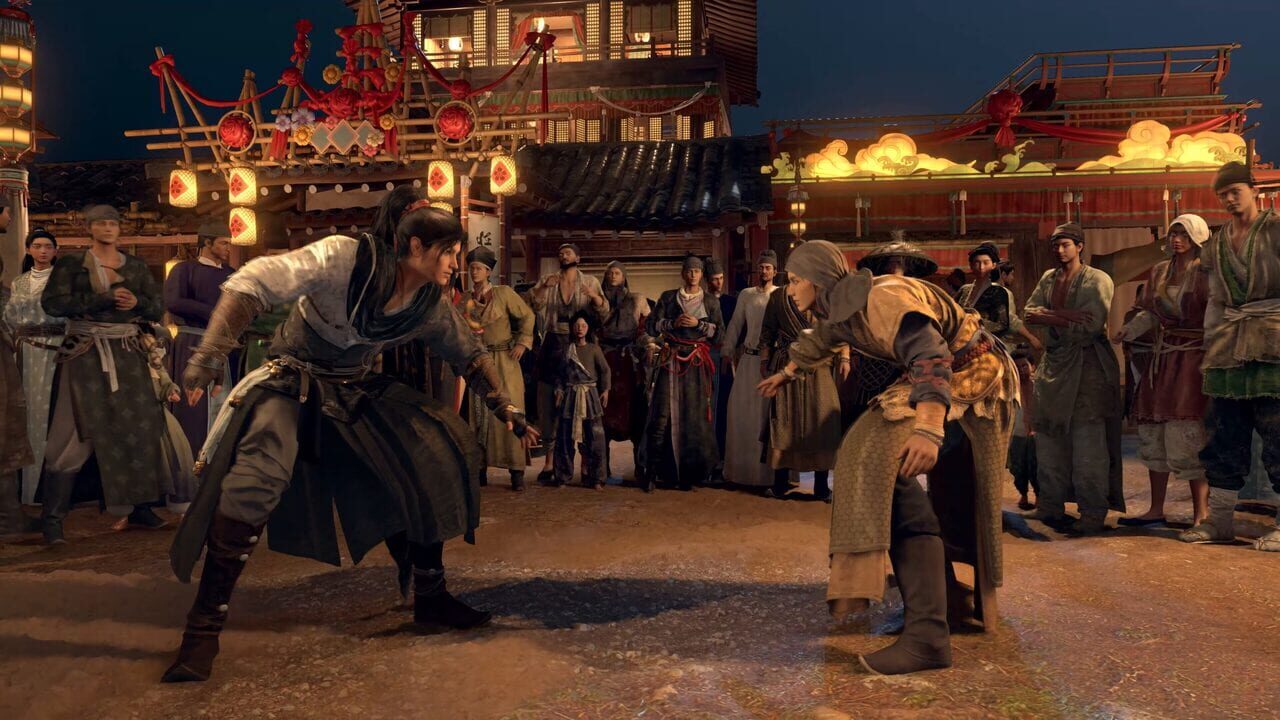 Editorial
Where Winds Meet Homestead Guide: Companions, Keepsakes & Housing
Where Winds Meet's Homestead system - how housing unlocks, Companions and pets, Keepsake Card rewards from Version 1.8's Companions Make Home update, and.
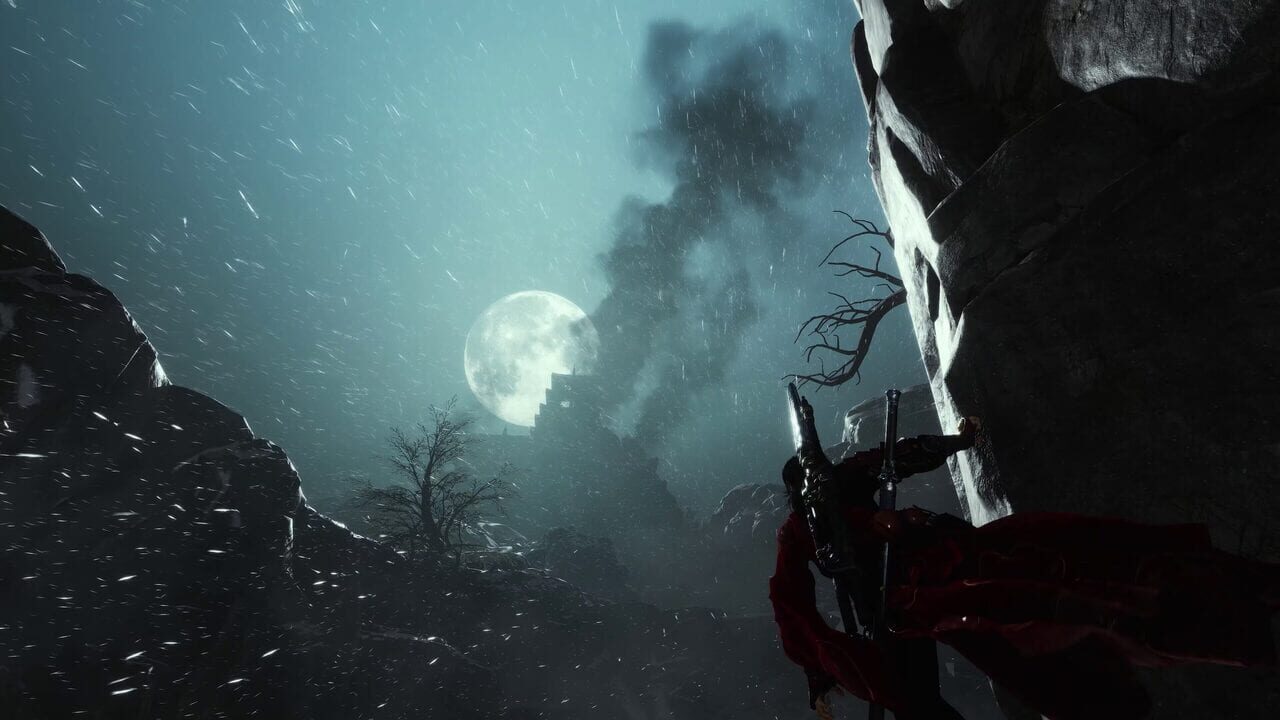 Editorial
Where Winds Meet Best Weapons Guide: Gauntlet, Sword & Dual Blades
Where Winds Meet weapons explained - all seven wuxia weapon lines plus the new Gauntlet, best PvE builds for Version 2.1, and which Mystic Skills pair with.
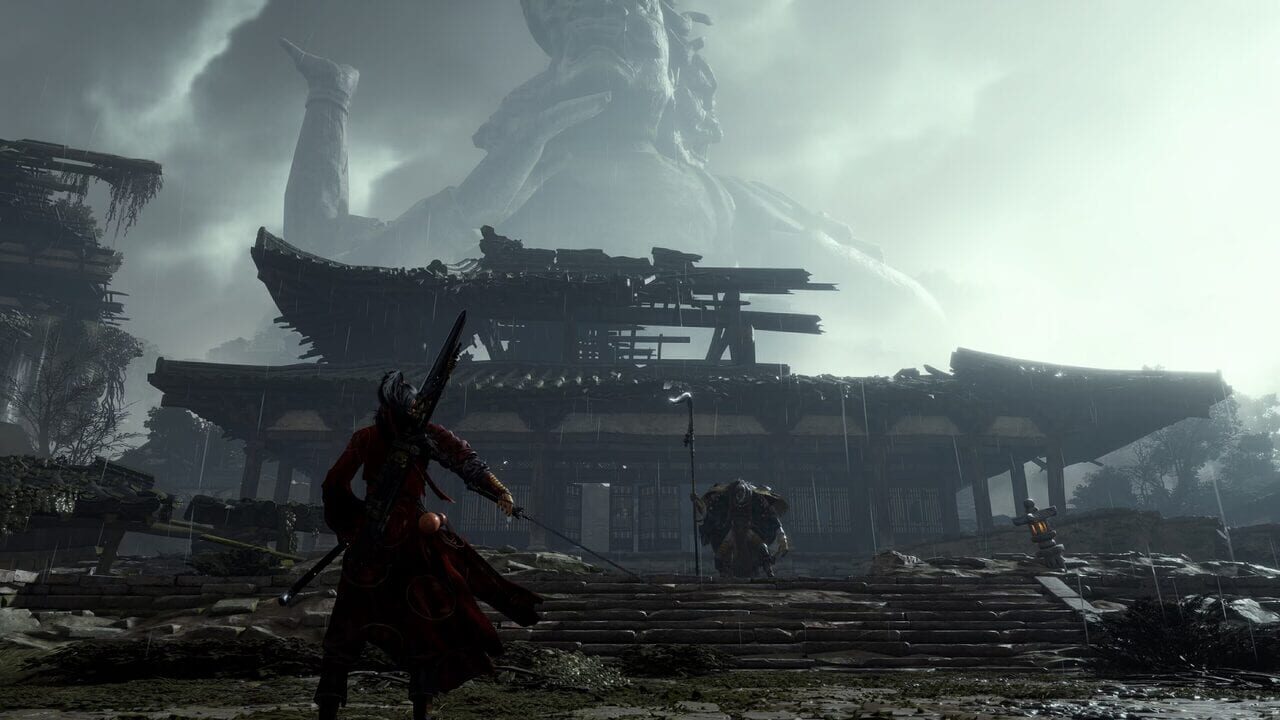 Editorial
Where Winds Meet Imperial Palace Update: Cat Emperor & Treasury
Where Winds Meet opens the Imperial Palace in Kaifeng City with new world bosses, a group encounter, delves, and minigames. Here's what to do.
Loading news...
A Chinese Wuxia action MMO set in an ancient world. Features martial arts combat, open-world exploration, and player-driven narratives.