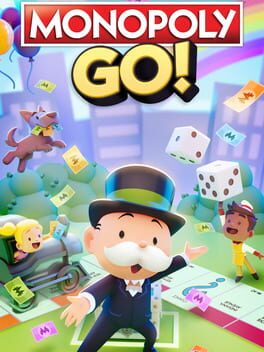
Casual Mobile
Monopoly GO
Casual board game mobile hit. Roll dice, build landmarks, and collect stickers. Massive casual audience in 2026.
Open the Knowledge Base — the game's own numbers in plain EnglishThis knowledge base compiles what a player actually needs to know about Monopoly GO — the free-to-play mobile game built on the classic Monopoly theme. It explains how a turn works, how the dice, money, landmarks, stickers and events fit together, and what progression looks like from a first roll up through sticker albums and tournaments. Every rule and count here is the game's own; nothing here is a live read of the servers. Where something moves in real time — a leaderboard, sticker values, tile odds — the page says to check in-game.
These are the game's own rules and systems — not live data. For current event leaderboards, live sticker values or the exact odds of a tile, check in-game.
The game in one minute
What Monopoly GO is, at a glance
A fast, casual board game: roll the dice, move your token, collect rent and upgrade your landmarks — then race friends and strangers through events and sticker collections. No real-time combat, no classes.
Monopoly GO is a single-player-against-the-board casual game. You roll virtual dice to move a token around a themed board, landing on tiles that hand out rent, cash, bonus dice, or special effects, and you reinvest what you earn into upgrading your landmarks and islands. There is no opponent on the board with you — the 'competition' comes from the events, sticker albums and tournaments that run alongside your rolling. It is the digital, faster-paced cousin of the box game rather than a duel.
The turn
How a turn and the dice actually work
Everything starts from the dice. Roll, move, resolve the tile you land on — that single loop is the whole game, and how many dice you have in reserve is the real currency of pace.
A turn is simple: spend a roll of the dice, move your token that many spaces, and the tile you land on pays out. Some tiles hand you cash, some let you upgrade what you own, some spit out more dice, and special tiles can send you to a new event board or lock you in a short wait. Because a roll is the only thing that moves you, your supply of dice sets how fast you can progress — and the game gives you ways to bank extra rolls so you can spend them in bursts.
Where extra rolls come from
- Bonus dice you pick up on the board
- Sticker-album completion rewards
- Event and tournament prizes
- Converting extra tokens/cards into rolls
The economy
Money, rent and upgrading landmarks
Rent and event income buy your way forward: you spend money to raise the level of your landmarks and islands, and a higher-level landmark pays you more every time you pass it.
The money you collect on the board is the upgrade fuel for your landmarks. Each landmark has a level; raising it costs money and, at the top levels, more time to let the upgrade settle. A more advanced landmark pays bigger rent on the same space, so the loop is earn, upgrade, earn more. Your islands work the same way — each island is a themed set of landmarks that climb their own levels, and finishing an island hands out a chunk of rewards before the next one opens.
The catch that paces the whole game is that top-level landmarks stop paying extra and the upgrade queue gets long, so players bank dice and money and then spend them in one big push rather than trickling it out. That batching is the main skill: keeping a reserve so you can land a full island before you stall.
Stickers & albums
Collecting stickers and trading them
Sticker albums are the social layer: you fill themed sticker sets to claim rewards, and you trade duplicates with friends to complete the sets you are missing.
Stickers come from events, from completing other systems, and from opening the packs the game hands out. Each sticker belongs to a themed album, and filling an album earns a batch of rewards — usually extra dice and a pile of money — before the album resets or a new one takes its place. When you have duplicates of a sticker, you can trade them with friends: they send you the sticker you are missing and you send them one they need, and the trade closes the gap that random drops left open.
The sticker loop
- Fill an album with the stickers you earn or are given
- Claim the completion rewards (dice, money)
- Trade duplicates with friends for the ones you are missing
- Move on to the next album as the current one completes
Events & tournaments
The races that add a leaderboard to the rolling
On top of the solo board the game runs events and tournaments where you climb a shared leaderboard against other players — that is where the 'race' feel comes from, without anyone ever being on your board.
Tournaments are timed races: everyone in the event earns progress at the same time and the leaderboards rank who is furthest along, with prizes handed out at the top of each tier. The board itself still plays the same — you are not fighting other players for tiles — but the event decides which rewards you are competing for and how hard the top tiers are to reach. Regular events cycle in and out on a schedule, so the set of live competitions keeps changing even though the underlying board does not.
→ How the leaderboard tiers and rewards actually stack→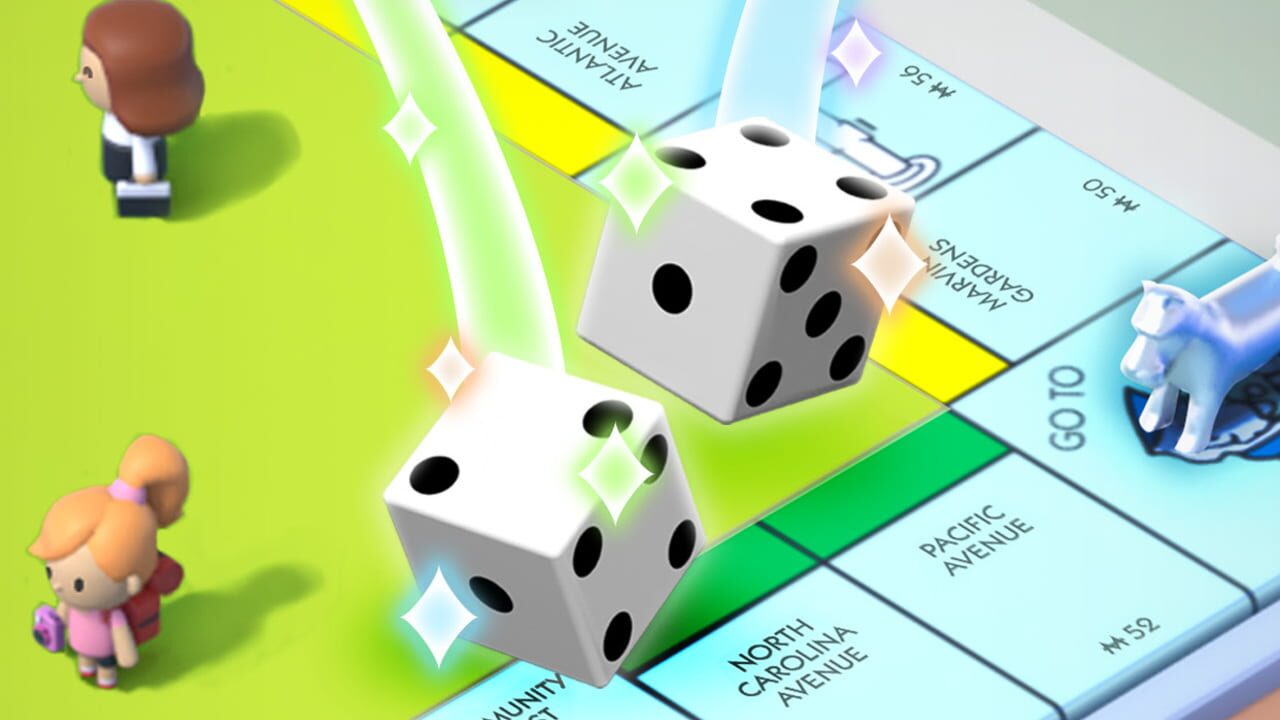
Loading news...
Casual board game mobile hit. Roll dice, build landmarks, and collect stickers. Massive casual audience in 2026.