MMORPG
Mabinogi
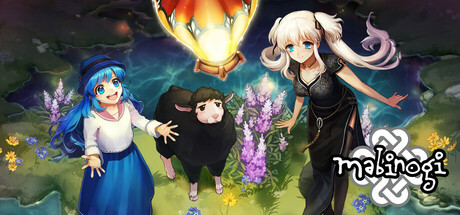
Fantasy life MMO with unique skill-based progression, music system, crafting, and generations of story content. Active since 2004.
Open the Knowledge Base — the game's own numbers in plain EnglishVerified November 7, 2026. Mabinogi is a Korean sandbox MMORPG by devCAT and Nexon where you craft, cook, and fight while ranking skills from Novice to Dan 3, with up to about 19 ranks per ability. This knowledge base covers Mabinogi, the long-running fantasy MMO in the land of Erinn: a classless talent system where one character can become a polymath, a set of life skills that run the economy, seasonal celebrations that mark the game's calendar, and a rebirth loop that rewards long-lived characters. The rules and numbers here are the game's own; where something is live — current season events, market prices, exact skill caps — the page says to check in-game.
These are the game's own rules — not live server data. For the current season's events, market prices or skill-cap tweaks, check in-game.
The game in one minute
What Mabinogi is, at a glance
An MMO where your character has no class: one account-grown hero who can learn combat, magic and a dozen life skills, and rebirth to start deeper.
Mabinogi is the MMO that gives up the class roster on purpose. Every character is a Mabinos who can learn anything — close combat, ranged, battle magic, summoning, farming, cooking, alchemy — and the one pick you make at rebirth is a talent that doubles the speed of one tree, not a locked box. The world is Erinn, with seasonal celebrations that run all year, and the economy runs on the life skills: you can make a living as a blacksmith, alchemist, chef or tailor instead of a warrior. The depth comes from the polymath ideal: the goal is one character who is good at many things.
Talents, not classes
How the talent system replaces the class system
You are not a Warrior or a Mage — you are a character who can learn all of them. A talent only speeds up one branch; it never locks out another.
The talent system is Mabinogi's answer to the class question. At a rebirth you pick an active talent — for example a close-combat talent, a magic talent or a life-skill talent — and every skill under that talent's umbrella trains at double speed. The catch that makes the whole design work: the talent does not close any door. A close-combat talent still leaves you free to use battle alchemy, a ranged skill or a chef's station; the talent only decides what you learn faster. Rebirth, and with it the talent, is repeatable — so a veteran character can retarget its progression tree as many times as it wants.
The talent branches
- Close Combat — smash and sword mastery skills and their families
- Ranged — bow, crossbow and sling families
- Battle Magic / Summon — offensive magic and summoning families
- Life skills — farming, fishing, cooking, crafting families
- Other combat talents that speed up specific melee or support families
The economy
Life skills: the dozen-plus jobs of Erinn
Mabinogi's economy is built by players: a dozen-plus craftable professions that pay real money, all learnable by any character.
Anyone can make a living as a blacksmith, alchemist, chef or tailor. You start by talking to a life skill trainer in your starter city, then practice gathering and crafting in low-risk zones — the early game is the gentlest of the big MMOs. The discipline that separates good producers is focus: run one or two skills early instead of spreading across all of them, and the gold you earn compounds quickly through the game's auction and vending systems.
Life skills players actually run
- Blacksmithing — gear, blades and tools
- Alchemist — elixirs, potions and crafting reagents
- Chef — buff food and the best sellable dishes
- Tailor — cloth and equipped gear
- Farmer / Fisher — the gathering base that feeds the crafters
Erinn & the races
The three races and the living world
Pick from the three playable races of Erinn — each is a stat-color choice, and the world itself runs on seasons, not patches of content.
Mabinogi's playable races are Humans, Elves and Giants. Humans are the original and the balanced all-rounders — they start as the only race and stay the default; Elves lean toward bow and magic lines; Giants lean toward close combat. The differences are stat-color decisions, not locked paths: no race closes off a talent, a life skill or a seasonal event. On top of that sits the seasonal calendar — Erinn celebrates through the year, and the event content is what keeps the world feeling alive between combat seasons. Rebirth and the talent system sit over all of it, so your race choice never closes off the polymath path.
→ The rebirth loop that runs the whole character→Where veterans go
The rebirth loop and veteran goals
Veteran Mabinos don't chase a level cap — they rebirth to run a new talent line, push masteries, and run the seasonal content Erinn puts out.
The endgame of Mabinogi is the rebirth itself. A character that has spent years in the game can rebirth, pick a new talent, and train a completely different skill tree — often a life-skill build for gold, or a combat build for the seasonal PVP and boss content. Because the talent doubles one tree, each rebirth is a genuine retargeting of the character, not a reset. Seasonal events and boss content mark where a combat-rebirth character spends its early minutes, and the auction house marks where the life-skill one earns.
→ The talent system that rebirth is built on→The game's own numbers, in plain English — start from the Knowledge Base →
No guides yet. Write the first!
Loading news...
Fantasy life MMO with unique skill-based progression, music system, crafting, and generations of story content. Active since 2004.