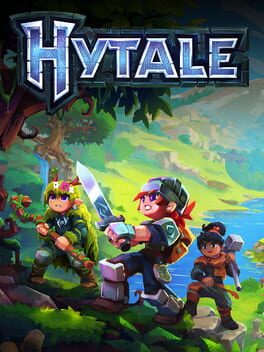
This knowledge base compiles what a player actually needs to know about Hytale — the block-based sandbox RPG from Hypixel Studios: the procedurally generated world you build and explore, the crafting stations that turn resources into gear, the skill system that runs under it, and the modding and multiplayer layers that make the game what it is. Hytale is in early access on PC, so this reference tracks what ships today and names what is still on the roadmap — the game's own campaign content is not all live yet, and the page says so where it applies. Every rule and number here is the game's own; where something is live or in flux, check in-game.
Hytale is in early access and changes between updates. The features above are what ships today; the roadmap items are planned, not live. Check the in-game update notes for what just landed.
The game in one minute
What Hytale is, at a glance
A block-based sandbox with the depth of an RPG: you explore and shape a procedurally generated world, and the crafting, skills and combat underneath it are built to run a long play loop.
Hytale blends the freedom of a block-based sandbox with the structure of a roleplaying game. You start in a procedurally generated world — a region of land with its own terrain, resources, creatures and structures — and it is yours to shape: build up from the ground, dig the deep places, and fight the things that live there. The RPG half runs underneath the block half: skills, crafting stations and progression give the sandbox a goal structure, so gathering resources is not just for building, it is for becoming stronger. The game runs on its own launcher on PC, and it is currently in early access, so the feature set is still growing.
The world and exploration
The procedurally generated world you shape
Every play starts in a fresh procedurally generated region of land: its own terrain, resources and creatures, built to be explored and reshaped block by block.
The world Hytale generates is the stage for the whole game: a region of terrain with its own layout, its own resource deposits and its own creatures, and it is yours to change. The block-based part of the game is that right to shape it — build a base up from the ground, clear land for it, and work the deposits that the region placed there. Exploration is the entry to everything else: the resources that feed crafting, the structures that hold the content, and the open ground that makes a base defensible or convenient.
→ The world and its generation, in detail→Crafting and stations
The crafting system that runs the economy of gear
The game turns raw resources into usable items through a set of crafting stations and workbenches — the deeper the station, the more it makes.
Crafting is where the gathering loop meets the progression loop. Resources you collect from the world — wood, stone, ore, and what the creatures you fight drop — become tools, gear and building pieces through crafting stations. A basic station is built from common materials and makes the everyday items; deeper stations — forges and the advanced workbenches — unlock more complex recipes, and building them is the long-term project. The structure is the game's own: hand-crafting for the simple things, stations for the rest, and the workbench you build next is the thing that decides what you can make next.
→ The crafting stations, in detail→Skills and progression
The RPG layer under the sandbox
Under the block loop is a roleplaying layer: a skill system that deepens your character as you play, and a progression structure that gives the sandbox something to aim at.
The skill system is what turns the sandbox into an RPG: abilities you unlock and deepen as your character grows, which change how you fight and how you work the world. It is the RPG half of the game's promise — the structure that sits under the free block play, and the reason gathering and building are not just a chore but part of a longer loop. The early-access version carries the skill structure, and the deeper campaign content — the story-driven layer the game was announced with — is still arriving, so the skill tree you see today is the one you can run, not the final one.
→ The skill system, in detail→Modding and multiplayer
The layers that make the world bigger
Beyond the single world, Hytale runs on modding and multiplayer: the game is built to be extended, and its communities run on shared servers.
Two layers extend the base game. The first is modding: the game is built on an engine that the developer has committed to opening up, so the community can add content and tools of its own, and the launcher is part of how that world is managed. The second is multiplayer: servers that run the world shared — the kind of shared play the game's origin in a large block-sandbox community was built for. Both are how a Hytale installation outlives its own update notes: the world the players build and run is the part of the game that does not ship on a schedule.
→ The modding layer, in detail→→ The multiplayer layer, in detail→The game's own numbers, in plain English — start from the Knowledge Base →
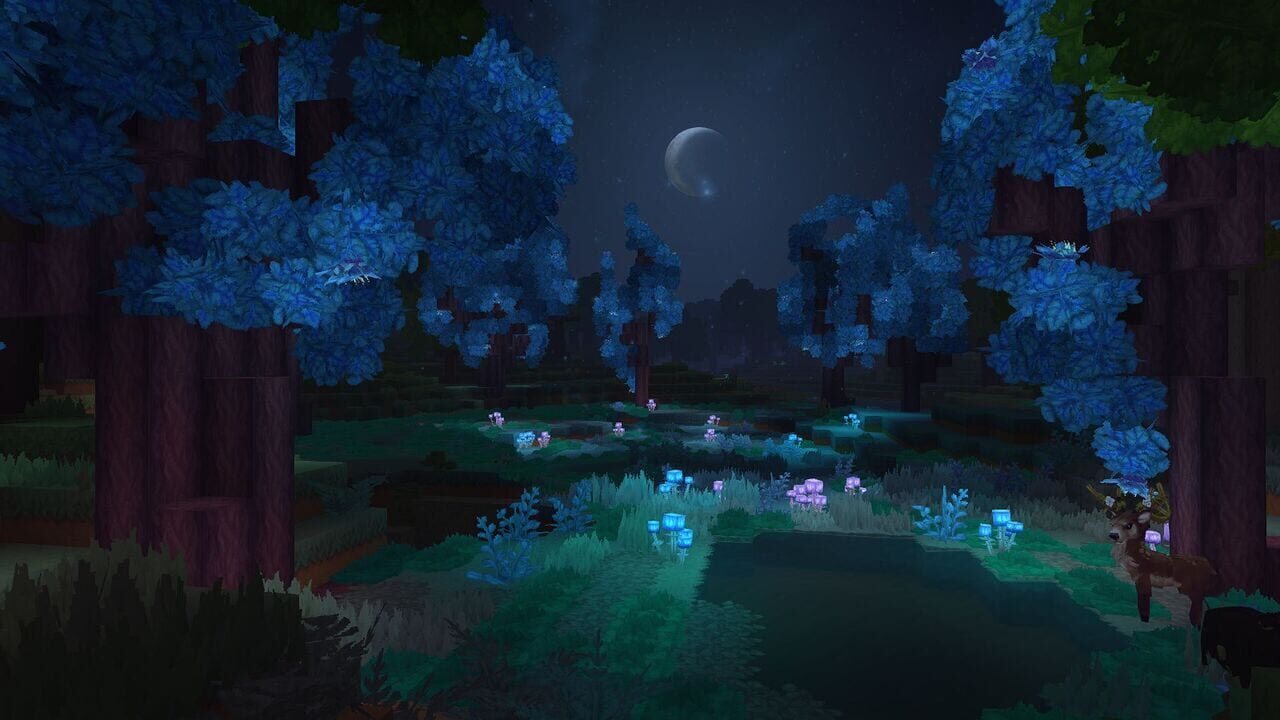 Editorial
Hytale Fragments of Orbis Guide: Gateway, Void Stone & Extraction
Complete Hytale Fragments of Orbis guide for 2026: craft Ancient Gateways, farm Void Stone, master buff stacking, extract safely, and survive pocket dimens…
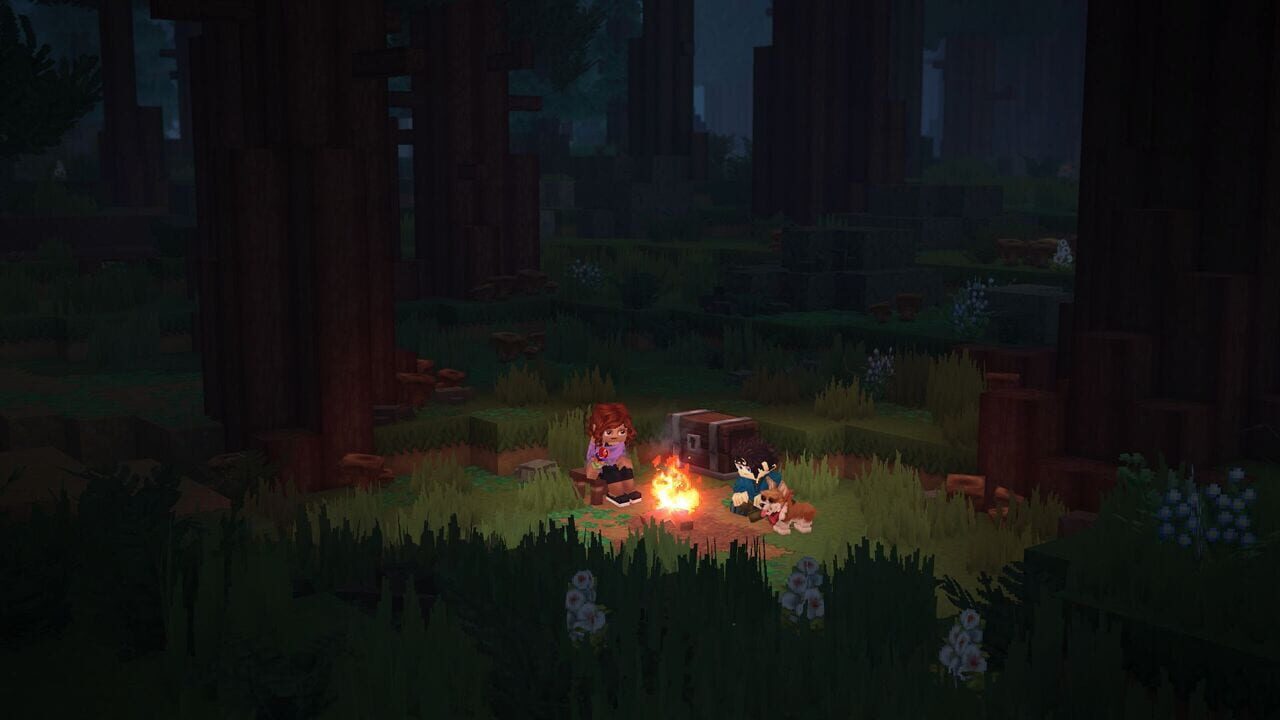 Editorial
Hytale Trork Camps & Early Progression Guide 2026
Master Hytale Emerald Wilds with Trork camp tactics, Kweebec village tips, copper crafting path, and early-game progression for 2026 Early Access.
Loading news...
Hytale is Hypixel Studios' multiplayer sandbox MMORPG. Early Access launched January 13, 2026; Chapter I arrives October 12, 2026.