Extraction Shooter
Hunt: Showdown
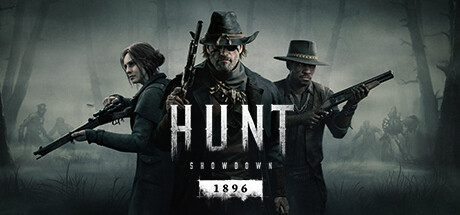
PvEvP extraction shooter with 1895 bayou horror setting. Hunt monsters, extract bounties, and survive other hunters.
Open the Knowledge Base — the game's own numbers in plain EnglishThis knowledge base compiles what a player actually needs to know about Hunt: Showdown 1896 — the extraction loop that defines the whole game, how a match plays out from spawn to exit, the bounty-and-reward economy that runs the session, the weapons and gear rules, and the maps and monster bounties the loop runs on. Every rule and number here is the game's own. Where something is live — current map rotation, live prices, the current bounty line-up — the page says to check in-game rather than guess. The session is the unit of everything: win it and you keep the cash, lose it and you lose the inventory, so the whole system is built around that one rule.
These are the game's own rules and constants — not live server data. For the current map rotation, live prices and this week's bounties, check in-game.
The game in one minute
What Hunt: Showdown is, at a glance
A first-person extraction shooter: you enter a map, hunt monsters and rivals for cash, and extract — die and you lose everything you carried. All matches.
Hunt: Showdown 1896 is a first-person extraction shooter set in a corrupted, backwaters version of the 19th century. A session drops you into one of a small set of maps with a loadout of your choosing; you hunt the map's named monster bounties, fight or outlast rival hunters, and cash in on your kills and discoveries. The defining rule: if you die, you lose the inventory you carried in. If you reach the extraction point and survive the final moments, the session's cash and gear are yours. Everything else in the game — weapons, economy, map design — hangs off that one outcome.
How a session works
From spawn to extraction
A session is one full run of the map: spawn, work the bounties, survive the rivals, and reach the exit before the clock runs out.
A match starts at a spawn point on the map, usually a boat landing, and the session clock begins. The map is seeded with named bounties — creatures you hunt for cash and rewards — and rivals, other hunters playing the same loop. You work the map, fight or avoid, and head for an extraction point. Reaching it is not enough on its own: a final phase plays out and you must survive it, or you lose the session's haul the same way you would by dying.
A session in four beats
- Spawn with your loadout — gear you paid for, with real consequences
- Hunt the bounties: named monsters that pay on a kill
- Manage rivals: fight, avoid, or let them open for you
- Reach the extraction point and survive its final phase
The economy
Why the session is the unit of money
Everything the game runs on — gear, upgrades, faction standing — is bought with the cash a session pays out, and the session is the only thing that pays it.
The game's economy is one-directional and one-unit: the session. You spend gold to buy the loadout you enter with — weapons, upgrades, and the faction gear that defines what you can do. What a session pays depends on how it ends: bounties killed, the final phase survived, and any rival cash you collect. Lose the session and the gold you spent is gone, along with any unbanked gear. This is why the game rewards playing with a margin — the cost of a run is real, and the only way it comes back is to finish the run.
→ What the gold buys: the loadout rules→The bounties
The named monsters the map is seeded with
Each session seeds a map with named bounties — creatures you hunt for the cash and rewards that come with a kill.
The bounties are the PvE half of the loop. A map is seeded with a set of named creatures, each with its own behaviour and its own reward. You find the bounty, mark it, work it, and cash in on the kill. The current line-up rotates between sessions — which bounties are up on a given session, and at what reward, is read off the in-game session screen. The game's own rule is that a bounty you do not finish is a bounty you do not get paid for.
→ Where the bounties are seeded: the map roster→Loadout
What you bring, and what the session lets you use
The loadout you build before the session is the gear you fight with — and the gear you lose if the session goes wrong.
A hunter's loadout is a pre-session build: a set of weapons, upgrades and faction gear bought with the gold you have banked. The game's rule is that what you buy is what you use — and what you lose if you die mid-session. Within a session the map also carries its own gear: pickups, workbenches and the gear a rival drops. The split is the whole design: your build is the part you control, and the map's is the part you scavenge.
→ Why the loadout is a cost with real consequences→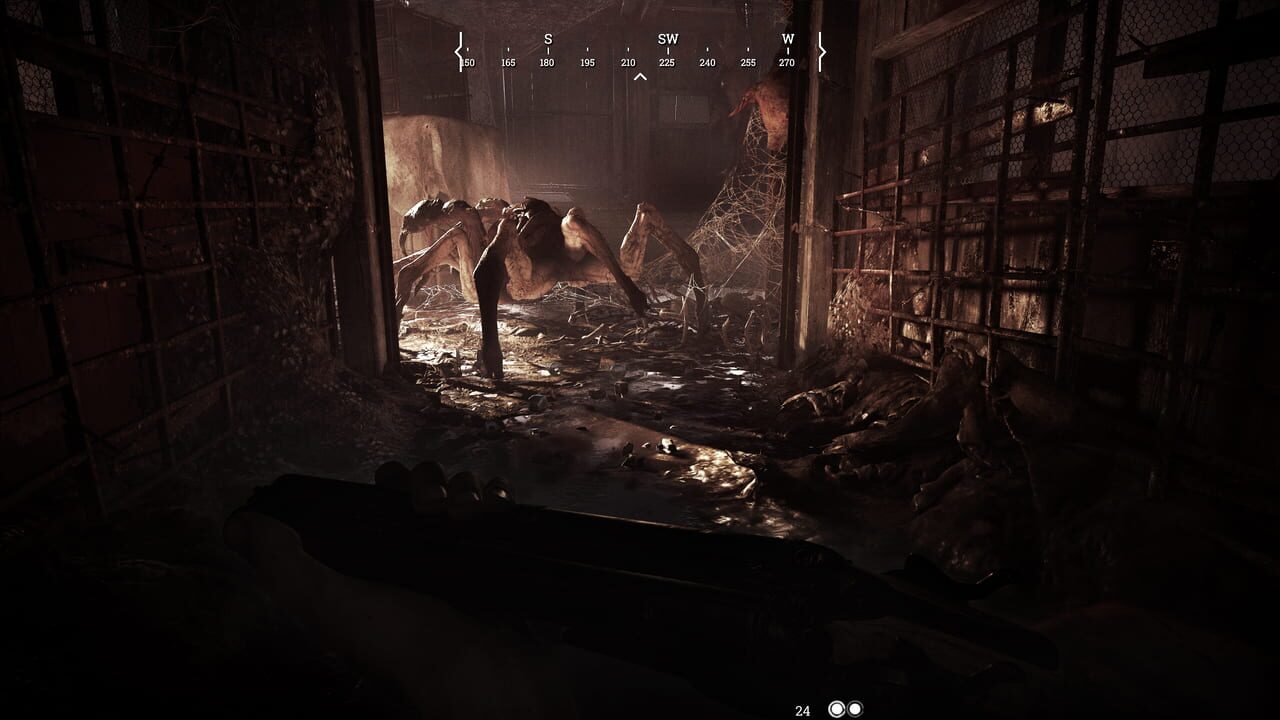
Loading news...
PvEvP extraction shooter with 1895 bayou horror setting. Hunt monsters, extract bounties, and survive other hunters.