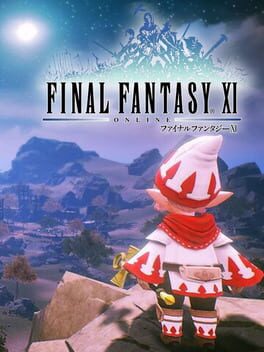
Classic MMORPG
Final Fantasy XI
Square Enix classic MMORPG from 2002. Job system, subjobs, and party-based combat. HorizonXI private server recreates the classic era.
Open the Knowledge Base — the game's own numbers in plain EnglishThis knowledge base compiles the numbers that matter for Final Fantasy XIV — the base classes, how roles split, how the content loop works, and the crafting and gathering economy — into plain English you can actually read. Every figure is the game's own. Where the reference is thin — the current level cap, the live trial and raid tiers, real retainer prices — it says so instead of guessing. The level cap rises with each major expansion, so anything 'current' is something you'd check in-game.
These are the game's own rules and constants — not live server data. For the current level cap, the live trial/raid tier or market prices, check in-game.
The game in one minute
What Final Fantasy XIV is, at a glance
A single-server fantasy MMO organized around a content loop: you level through the cap that each expansion sets, pick one of thirteen base classes, and clear dungeons, raids and trials in fixed-size groups — with a deep crafting and gathering economy underneath.
Final Fantasy XIV is a PC/console fantasy MMO that runs on a single shared server per region. You pick one of thirteen base classes, unlock a specialization, and then play through the game's content loop: dungeons, weekly trials, and the two endgame raid sizes. The level cap is set by the current expansion and rises as new expansions ship, so the 'top' of the game moves forward over time. The numbers above are the game's own structure, not a community estimate.
Classes & roles
Thirteen base classes, and the role each one fills
Every character takes one of thirteen base classes. Each class is tied to one of the group roles — Tank, Healer, Melee, or Ranged — and the class's rotation and cooldowns are built around that role.
| Base class | Role |
|---|---|
| Warrior | Tank |
| Paladin | Tank |
| Dark Knight | Tank |
| White Mage | Healer |
| Scholar | Healer |
| Sage | Healer |
| Bard | Ranged damage |
| Black Mage | Ranged damage |
| Red Mage | Hybrid damage |
| Monk | Melee damage |
| Dragoon | Melee damage |
| Samurai | Melee damage |
| Ninja | Hybrid damage |
The thirteen base classes are: the three tanks (Warrior, Paladin, Dark Knight), the healers (White Mage, Scholar, Sage), and the damage classes split between melee (Monk, Dragoon, Samurai, Ninja) and ranged (Bard, Black Mage, Red Mage). A standard content party is one tank, one healer, and two damage classes — the four-person dungeon crew. The class is what you do; the role is what the group needs of you. Each base class can also be unlocked into a specialization that refines the same role.
Classes and roles, on their own pages
The content loop
Dungeons, trials, and the two raid sizes
The endgame loop is a fixed set of content types: 4-person dungeons, weekly solo trials, and the two raid sizes that feed the gear progression.
| Content | Party size | What it is |
|---|---|---|
| Dungeon | 4 | A 4-person group run against a boss sequence. |
| Trial | Solo or group | A weekly-repeatable high-difficulty solo encounter. |
| Raid (base) | 8 | The 8-player endgame raid. |
| Raid (top) | 24 | The 24-player top-tier raid, usually three 8-player pulls. |
The 24-player raid is three 8-person groups pulling the same fight, and the 8-player size is the base unit that recurs through dungeons, trials and the smaller raids. Weekly trials reset on the server cycle and are the main solo path to gear. The current trial names, the raid boss lists and the item floor move with each expansion.
Gear & power
Item level, macros, and the two stat levers
At the cap, power comes from gear and class macros. Item level is the number that gates content, and each class's rotation and macro setup is what turns the gear into damage or healing.
Two things move your power after level: item level (the gear number that gates which content you can attempt) and the class's rotation and macro setup. Equipping gear at or above the content's item-level floor is what lets you enter it. Crafting gear, raid gear and trial gear are the main sources. The live floor for each content tier is per-expansion data.
Crafting & gathering
The non-combat economy
FFXIV has a deep crafting and gathering system: gatherers pull materials, craftspeople make gear and consumables, and the retainer market is where the two meet.
Gathering classes (Miner, Botanist, Fisher) pull the raw materials; crafting classes (Blacksmith, Goldsmith, Craftsman, Armorer, Weaver, and others) turn them into gear, potions and other items. Retainers are the player-run market: you put items with a retainer and other players buy from the shared boards. Crafting skill is a separate stat you build, and high-quality craft gear is its own progression track. Live prices on the retainer boards are per-server data.
Loading news...
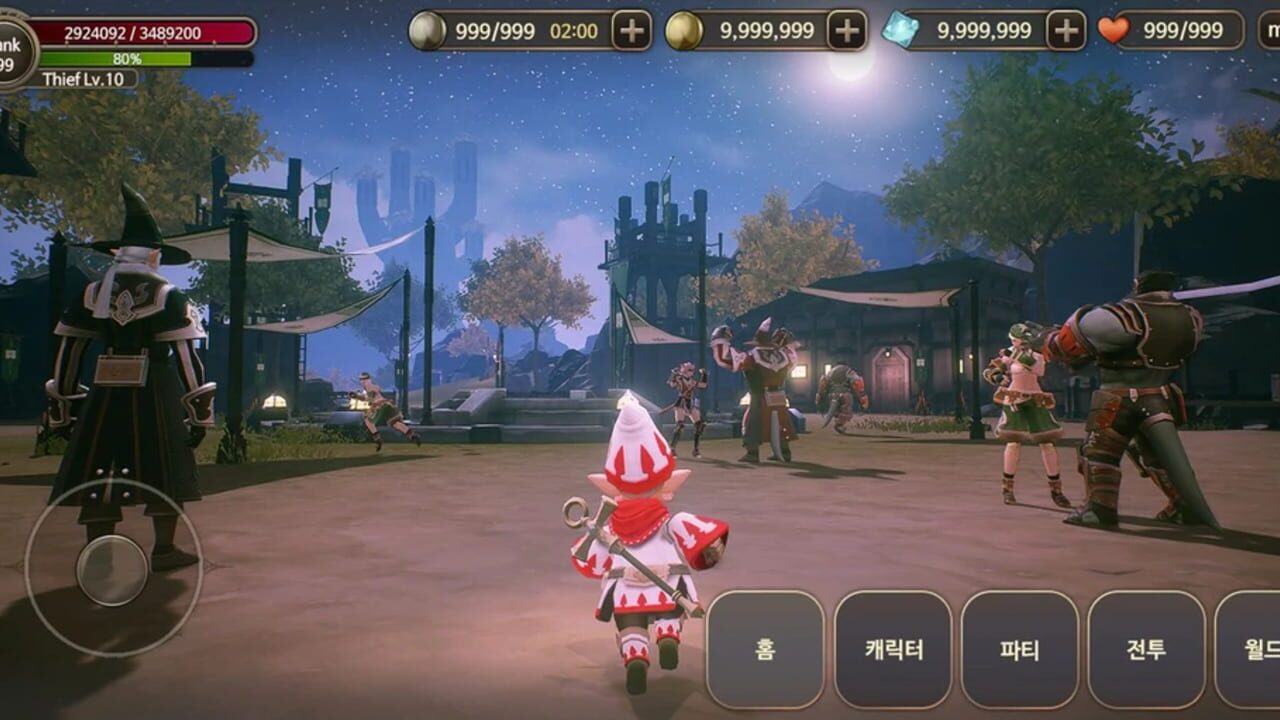
Square Enix classic MMORPG from 2002. Job system, subjobs, and party-based combat. HorizonXI private server recreates the classic era.