Gacha RPG
Fate/Grand Order
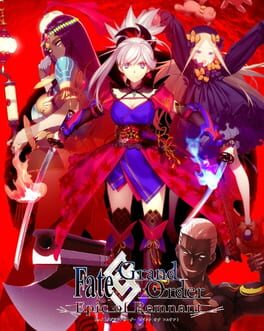
Turn-based gacha RPG based on the Fate franchise. Collect legendary servants and battle through history. Active since 2015.
Open the Knowledge Base — the game's own numbers in plain EnglishThis knowledge base compiles what a player actually needs to know about Fate/Grand Order, the gacha command-card battle RPG, how the turn-based card system works, the chains that make a strong turn, the Noble Phantasm gauge that powers the big hit, and the class advantage rules that decide who hits hard, in plain English. The numbers here are the game's own.
New servants, events and NP mechanics details change with updates. The system rules below are stable, but which servants are in your team is the live in-game source of truth.
The game in one minute
What Fate/Grand Order is, at a glance
A gacha RPG where you build a team of summoned servants and fight through stages with a command-card turn system, where reading the deck and chaining the right cards is most of the skill.
You summon a roster of servants, some free and some pulled from the gacha, and send them into turn-based battles. Each round you play five command cards, the mix of which decides how well your Noble Phantasm gauge fills, and the class matchups decide how hard everything hits back.
The card system
Quick, Arts, Buster, and the Servant card
Each turn you draw five cards, three of which are Quick, Arts and Buster for your focused servant, plus a Servant card that swaps who you focus on.
The three basic card types hit for different damage and fill the Noble Phantasm gauge at different rates. Chaining cards of the same type in one turn triggers a combo bonus, so a clean three-of-a-kind is worth far more than a mixed hand. Reading which three cards come out and prioritizing the chain is the core skill of the turn.
→ How same-type chains actually add up→→ The big-hitting Noble Phantasm and its gauge→Matchups
The class advantage system
Servants come in classes, and some classes hit others harder. Knowing the rock-paper-scissors is what lets you pick the right team for a stage.
Each servant class has a type it's strong against, which boosts the damage it deals to that enemy class, and a type it's weak against. For example, a Saber-type is strong against Archers. Checking the enemy class before you commit to a team, and pulling a counter-class into the party, is the first read that turns a hard stage into an easy one.
The gacha
Summoning and building your roster
Servants come from the summoning system, a gacha pool where you spend in-game currency or premium pulls to add new characters to your team.
You invest resources to pull for new servants, and the ones you own become the pool you can build teams from. Because teams are limited in size, the value of a strong pull is that it lets you cover more class advantages and card types at once, and the free and event servants still carry you far.
Where to go next
The reference hands you the systems
The card system, chains, Noble Phantasm and class matchups are the four things to internalize. Everything else in a stage is built on them.
The core systems, on their own pages
The game's own numbers, in plain English — start from the Knowledge Base →
No guides yet. Write the first!
Loading news...
Turn-based gacha RPG based on the Fate franchise. Collect legendary servants and battle through history. Active since 2015.