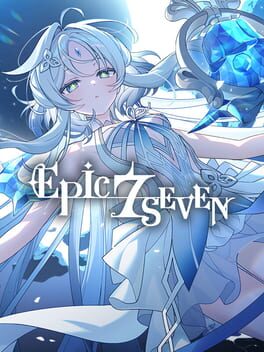
Gacha RPG
Epic Seven
Anime-style turn-based gacha RPG with stunning animation, deep PvP, and epic raid bosses. Active since Nov 2018.
Open the Knowledge Base — the game's own numbers in plain EnglishThis knowledge base compiles what a player actually needs to know about Epic 7 — a turn-based hero-collection RPG where you build a squad of units, match element counters, and clear content on auto-battle — in plain English. It covers the six elements and how they interact, the five unit jobs and where they fight, the rarity and progression system, and the endgame loops that carry you past the story. Every rule here is the game's own. Where something is live — current unit values, rotating shop offers, PVP ladders — the page says to check in-game rather than guess.
These are the game's own rules and structure — not live data. For current unit stats, limited-time shop stock and PVP standings, check in-game.
The game in one minute
What Epic 7 is, at a glance
A turn-based, auto-battling hero collection RPG. You assemble a small squad, match element counters and clear content that runs itself — so the decisions are about who you bring and how they evolve.
Epic 7 is a squad-based, turn-based RPG where battles resolve on auto, so the player's craft is the roster, not the timing. You collect units (heroes) that fight in formation, pair them against matching elements, and push through a story line, then the endgame loops — the instanced Abyss, guild activity and PVP — that consume a stronger roster. The counts above are the game's own structure, not a community estimate.
The element system
Six elements and how they trade
Every unit carries one of six elements, and an element match is the core tactical read: you want your side's element to counter the enemy's before the fight starts.
The six elements
- Fire
- Water
- Wind
- Earth
- Light
- Dark
Matching a unit's element against the enemy's decides how much of your damage lands: when your element counters the target's, your strikes hit for more; when it is countered, they hit for less. Because battles resolve on auto, picking the right element for the matchup is often the whole of a hard encounter — bring a unit whose element beats the boss's before you spend anything on it.
→ The full element entry and its counters→The five jobs
How the roster is divided into roles
Units split into five jobs, and they hold different places in the formation — front-line physical, ranged physical, magic, healing/support. Pick jobs to cover the role a stage wants.
| Job | Where it fights | What it does |
|---|---|---|
| Fighter | Front line | Melee physical; the tank-and-hit pick. |
| Scout | Back line | Ranged physical; the bow and the kiting role. |
| Rogue | Front line | Melee physical with high burst and critical. |
| Mage | Back line | Ranged magic; the elemental burst pick. |
| Cleric | Back line | Healing and support; keeps the squad up. |
A strong squad is a mix of these jobs, not five of one. A typical party pairs a front-line Fighter or Rogue to absorb and trade, a ranged Scout or Mage to keep the pressure on from distance, and a Cleric to heal and buff. Within a job the specific unit changes the kit — the job says where it sits and what it does at a high level; the individual hero's skill is the detail.
Each job and the major systems, on its own page
Units & rarity
The rarity tiers and how a unit grows
Units come in four rarity tiers — N, R, SR and UR — and the tier sets the ceiling you can push with evolution. A unit's value is its job, its element and how far it has evolved.
| Rarity | In plain terms |
|---|---|
| N (Normal) | The common baseline unit; the ceiling it can evolve to is the lowest. |
| R (Rare) | A step up in base value and in how far it can evolve. |
| SR (Super Rare) | Higher base value; the tier most story content is balanced around. |
| UR (Ultra Rare) | The top tier; the deep-end evolution target. |
Rarity is the frame, evolution is the work. Within a tier a unit can be pushed up — its value and its usable kit both rise — and the deeper a unit goes, the more of the roster it can stand in for. Because battles are auto, a well-evolved UR in the right job and element beats a worse unit in the wrong one; the tier alone does not decide the fight.
Endgame & loops
What carries you past the story
Once the story is done, the game moves into recurring loops: the instanced Abyss you climb in floors, guild activity, and PVP — each one a different way to spend a strong roster.
The Abyss is the instanced, floor-based endgame: numbered stages you push upward, reset on a timer, and the deeper you go the harder the enemies and the better the reward. Guilds add their own recurring activity and perks, and PVP gives a roster someone to test against outside the campaign. Which one you invest in is a roster decision — the Abyss punishes a weak squad more than PVP does.
The endgame loops, on their own pages
The game's own numbers, in plain English — start from the Knowledge Base →
🔄 Updated this fortnight
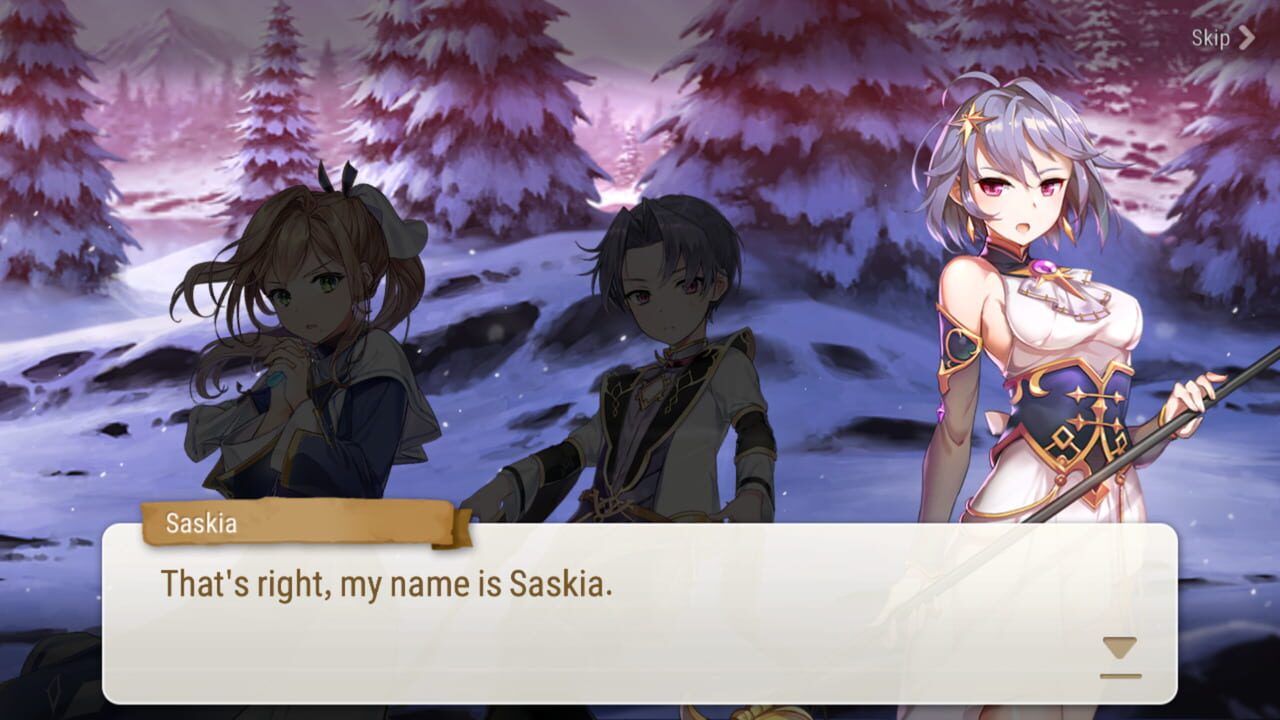
Loading news...
Anime-style turn-based gacha RPG with stunning animation, deep PvP, and epic raid bosses. Active since Nov 2018.