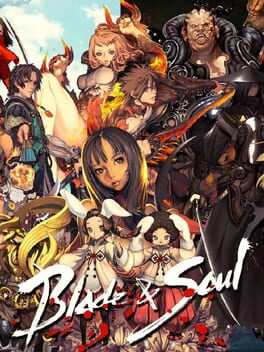
Action MMORPG
Blade and Soul
Martial arts action MMORPG with cinematic combat and rich story.
Open the Knowledge Base — the game's own numbers in plain EnglishThis knowledge base compiles what matters for Blade & Soul in plain English: the world and its three realms, the fifteen playable classes and the roles they fill, how its fast martial-arts combat actually works, and the endgame loop of dungeons, duels and raids. Every figure is the game's own. Where a detail is live data — drop rates, duel results, per-skill damage — the reference says so instead of guessing. Nothing here is a live feed, so anything 'current' is something you check in-game.
These are the game's own rules and constants, not live server data. For current drop rates, arena placements or skill damage, check in-game.
The game in one minute
What Blade & Soul is, at a glance
A wuxia-themed real-time party MMO with fifteen classes, four playable races and combat built around blocking, dodging and fast martial-arts combos.
Blade & Soul is a PC martial-arts MMO set in a wuxia-flavored world. You pick one of fifteen classes and one of four races, fight in real time — blocking, dodging and chaining combos rather than standing in a queue — and move through the world toward the three realms and the demonic threats that broke the peace between them. Dungeons run in parties of six. The numbers above are the game's own counts, not a community estimate.
The world & the three realms
Earthen, Divine and Dark — and the Kama invasion
The story sits across three realms whose balance was shattered when a demonic door opened and the Kama poured through.
Blade & Soul's world is split into three realms: the Earthen Realm where people live, the Divine Realm of the immortal gods, and the Dark Realm of the demons. For most of the story they coexisted until corruption swept the land and a door to the demonic realm opened, letting the Demon Emperor's servants into the world. The Kama are that invading force — the central enemy the whole early game is built around stopping.
The realms and the main threat
- Earthen Realm — the mortal world the story plays out in
- Divine Realm — home of the immortal deities
- Dark Realm — the demonic realm the invasion comes from
- Kama — the invading demonic servants at the heart of the conflict
Four races can take the fight: the Gajin (humans), the Hae'bum (bloodline warriors), the Yeonghwa (immortals) and the Yumi (demon-forged warriors). Not every class can be played with every race — some class-to-race pairings are locked by the game's own rules, so a fresh character's options depend on which race you pick.
Classes & combat roles
The fifteen classes, and the role each one plays
Fifteen classes cover every job a six-person party needs: tanks, healers, melee damage, ranged damage and summoners. Each class also branches into specializations as you level.
| Role | Classes |
|---|---|
| Tank | Soul Fighter, Warden |
| Healer / Support | Musician, Astromancer, Soul Fighter |
| Melee damage | Assassin, Blade Dancer, Blade Master, Destroyer, Dual Blade, Kung Fu Master |
| Ranged damage | Gunslinger, Zen Archer, Force Master |
| Summoner / mixed | Summoner, Warlock |
So the roster is: Assassin, Astromancer, Blade Dancer, Blade Master, Destroyer, Dual Blade, Force Master, Gunslinger, Kung Fu Master, Musician, Soul Fighter, Summoner, Warden, Warlock and Zen Archer. The two anchors most parties look for first are a front-line tank (Soul Fighter or Warden) and a healer (Musician is the dedicated one; the Astromancer and Soul Fighter also bring healing). Everything else fills the damage slots.
The key classes and endgame systems, on their own pages
How combat works
Real-time martial arts: block, dodge, combo
Fights are real-time and reactive, not queued. Your core skill is reading the enemy's attack, blocking or dodging it, and chaining your own moves into combos.
Blade & Soul's defining mechanic is that you take damage if you just stand there. Every class has a block and at least one dodge or sidestep, and the whole skill set is built around timing those against the enemy's wind-up. Nail the timing and you can parry-into a counter or slip through an attack that would otherwise hurt you. That reactive layer is what separates the game from a simple auto-attack MMO.
The core verbs in combat
- Block — hold up to a strike's damage; blocks can be parried
- Dodge / sidestep — step out of an attack's reach and window
- Combo — chain skills together for sustained, flowing damage
- Specialization — each class branches into distinct builds as you level
Endgame — dungeons, duels & raids
Where the loop lives once you stop leveling
At max level the game has three main activities: co-op dungeons, player-versus-player duels, and high-end raid content.
| Activity | What it is | Party / mode |
|---|---|---|
| Dungeons | Co-op instanced fights you run through for gear and upgrades | Up to 6, via the dungeon lobby |
| Duels | Player-versus-player arenas, including timed ranked formats | 1v1 / player vs player |
| Raids | The hardest instanced content, for a full coordinated group | Group content, harder than dungeons |
Most endgame gear and the materials that upgrade it come out of dungeons, which you enter through in-world portals or the dungeon lobby that lets you find a group. Once you're past that, duels are where you test your class against other players, and raids are the top of the PvE ladder for the hardest encounters. What you find here — drops, rewards, placements — is live, so the reference points at the structure and not the current numbers.
The duel/arena side, in more detail→The dungeon side, in more detail→Gear, crystals & glyphs
How you get stronger past the level cap
After you stop leveling, power comes from gear slots and two upgrade systems stacked on top of it: crystals and glyphs.
The level cap is a floor, not a ceiling. Real progression past it runs through equipment and the systems bolted onto it. Crystals are the upgrade currency that goes into gear to raise its power, and glyphs are socketed effects you pull from dungeon drops and slot into gear to add stat bonuses. A character's strength at the cap is driven far more by which crystals are installed and which glyphs are socketed than by anything you gained during the leveling run.
The three levers of post-level power
- Crystals — the currency that upgrades gear power
- Glyphs — socketed bonus effects, mostly from dungeon drops
- Gear slots — the base equipment that crystals and glyphs stack onto
The game's own numbers, in plain English — start from the Knowledge Base →
🔄 Updated this fortnight
Loading news...
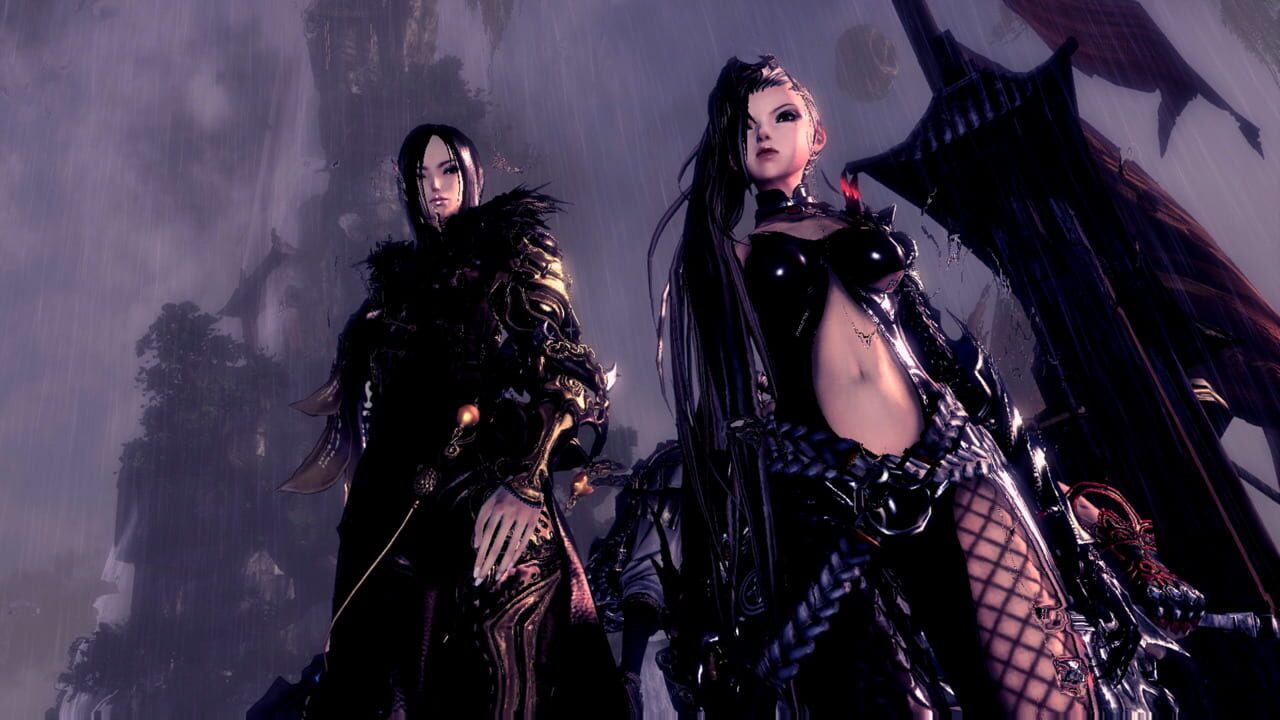
Blade and Soul is a free-to-play martial arts MMORPG featuring cinematic action combat, a deep revenge-driven story, and stunning anime-inspired visuals.