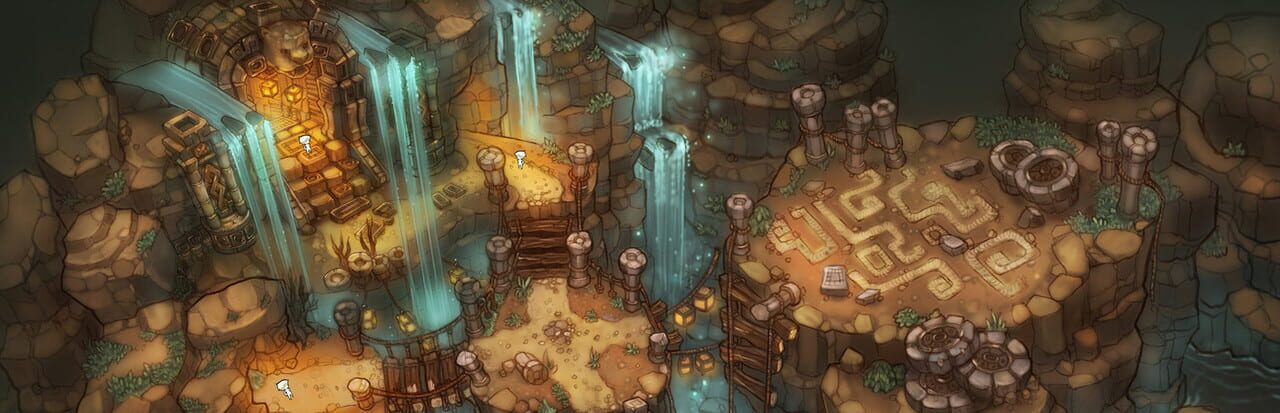
The Commodore is Tree of Savior’s newest class: a naval-admiral-styled area-of-effect damage dealer who scans for enemies and calls in a fleet to overwhelm them with a colossal anchor. It’s the one class in the MMO you’ll rarely see anywhere else, and it’s the pick if you want big, screen-clearing hits instead of tight single-target nukes.
Note: The Commodore landed in the Steam version of Tree of Savior on April 7, 2026. The game ships weekly maintenance patches through fall 2026, so expect small class adjustments and skill tweaks as the season rolls on — re-check the patch notes before you lock in a final build.
What the Commodore Actually Does
Tree of Savior is a turn-based tactical MMORPG: you move on a grid, position for range and cover, and fire off class skills on your turn. The Commodore fits into that loop as a dedicated AoE cleaner.
| Trait | Detail |
|---|---|
| Role | AoE damage dealer / crowd control |
| Unlocks from | Archer or Scout (class advancement) |
| Signature weapon | Colossal anchor |
| Core kit | Scope-based target detection + fleet summons |
| Best at | Wiping rooms, breaking up grouped mobs, sustained pressure |
| Weakest at | Single-target burst, tight 1v1s, speed runs |
The two standout ideas are the scope and the fleet. The scope lets you locate and tag targets — think of it as your targeting layer for everything else you do — and the fleet summon brings in the heavy AoE hits that define the class. You’re not competing with a Lancer on single-target; you’re outclassing anyone who can’t clear a room.
How to Unlock the Commodore
The Commodore is an advancement class, which means you don’t start as one. You play one of its two parent classes up to the advancement point, then commit:
- Archer → Commodore — if you came from the Archer line, you arrive with the ranged skill instincts already in your fingers. Natural transition for range-keeping AoE.
- Scout → Commodore — if you came from the Scout line, you bring mobility and utility, which pairs well with the class’s repositioning rhythm.
Which parent to pick? If your goal is pure damage consistency, Archer is the smoother path — the skill tree lines up with the AoE core. If you want more flexibility and survival options into the class, Scout leaves a little more room to mix in utility. Whichever you choose, the class cap and the core skill set are the same on arrival; the difference is in the early-level habits you carry over.
Commit to the advancement only when your gear is roughly where you want it. Advancing reshapes your skill priorities, and it’s far easier to gear for the class once you’ve picked the parent that fits your play style.
How the Commodore Fights
A standard turn looks like this: scan, position, commit.
- Scope first. Use the scope ability to detect and mark targets before you spend a big skill. If the room is grouped, tag the cluster, not the leader.
- Set your angle. Position so your AoE hits the widest part of the group. On a grid, one extra tile of range or a better choke point is often the difference between a clean wipe and a leaky one.
- Summon the fleet. Your marquee move brings in the fleet for a big-area hit. Time it after you’ve herded or tagged targets so the damage lands on as many enemies as possible.
- Cycle support skills. Between fleet rotations, fill with your standard AoE and crowd-control options to keep pressure up.
The class rewards setup. Rushing into a fight without scoping or without a position is the #1 way to feel underwhelming. Spend the first turn of a room reading it, then commit.
Stat and Build Priorities
You don’t need a spreadsheet to be good, but you need a direction. The Commodore’s value scales from two places: how much damage the AoE hits for and how often you can reposition without giving up a turn.
- Damage first. Everything that lifts your AoE output matters most — weapon strength, your main offensive stat, and any damage-multiplier gear.
- Range and mobility second. The class wants to stay in range and pick its angles. Anything that adds movement or range options is a strong secondary.
- Survival third, not first. You’re not a tank. Get enough health and defense to not die in a packed room, then stop investing there and put the rest into damage.
A clean way to think about it: 80% of your gear decisions should point at damage, 20% at staying alive long enough to use it.
Skill Priority
In rough order of how you should spend your attention:
- Scope/detection — your entry to everything. Don’t skip it.
- Fleet summon — your main AoE. The move the class is built around.
- Standard AoE nuke — your damage filler between fleet rotations.
- Crowd control / utility — keeps groups from stacking on you and sets up the next wipe.
- Self-sustain — only enough to bridge the fight.
As the class levels and the weekly patches land, the numbers on these shifts slightly. The shape of the priority stays the same: detect, position, wipe.
PVE and PvP Notes
Dungeons and content clears are where the class earns its keep. Grouped adds, repeatable room clears, and long content sessions all favor sustained AoE. You’ll be the team’s cleanup tool — the one who makes the second wave go away fast.
PvP is a different animal. The Commodore’s big-AoE identity is less at home against a single, spread-out opponent, and the matchup depends heavily on positioning and who can kite whom. If you’re playing PvP, invest extra in range and mobility over raw damage, and lean on your utility to deny the enemy’s positioning. It’s a class you can take to PvP, but it won’t win on damage alone.
Tips and Mistakes to Avoid
- Always scope before you commit a big skill. The detection is free insurance; skipping it is how you miss the cluster you wanted to hit.
- Herd before you wipe. A little movement first — pushing enemies into a corner or a choke — turns your AoE from a good hit into a clean one.
- Don’t outgear a role you’re not playing. If you’re running a damage build, stop buying pure tanking gear. The class survives on positioning, not on armor.
- Watch the weekly patches. The class is new and still getting adjusted. A skill that was strong last month can be retuned the next maintenance. Read the notes, re-tune the build.
- Position is the whole game. In a grid tactical fighter, the tile you stand on is a stat. Use it.
FAQ
Q: How do I unlock the Commodore in Tree of Savior?
A: The Commodore is an advancement class. Level an Archer or a Scout to the advancement point, then advance into the Commodore. You can’t start the game as one — it’s the end of one of two parent trees.
Q: Is the Commodore a tank or a damage dealer?
A: It’s an AoE damage dealer, not a tank. It can take a hit better than a pure DPS class, but its job is to clear groups, not to hold the line. Build for damage, with just enough survival to stay in the fight.
Q: Which is better, Archer to Commodore or Scout to Commodore?
A: Archer is the smoother path for pure damage consistency; Scout gives you more mobility and utility to mix in. Pick based on whether you want raw output (Archer) or flexibility (Scout).
Q: Is the Commodore good for solo content?
A: Yes — group-clearing content is exactly where its AoE identity shines. It’s less ideal in tight one-on-one PvP, where spread-out positioning matters more than big hits.
Q: Will the class change in later updates?
A: Tree of Savior ships weekly maintenance patches through the season, and the Commodore is new enough that it will keep getting small adjustments. Re-check the patch notes before finalizing a build.
Keep exploring
- Tree of Savior on MMOKB — the Tree of Savior game hub has the full knowledge base, tools and guides.
- Read the Tree of Savior knowledge base — Classes, Combat, Skills.
- Use the Tree of Savior tools — Tier List, Build Planner.
- More Tree of Savior guides — Tree of Savior Beginner Guide 2026, Tree of Savior Best Builds & Farming Tips, Tree of Savior Combat Guide, Tree of Savior Skills Guide.
- Browse the full library — all MMOKB guides
Reviewed & verified
| Covers | tree-of-savior |
| Last verified | November 4, 2026 |
| Accuracy | The game’s own numbers and rules — they change with patches; check in-game for live values. |
Discussion
0 commentsNo comments yet. Be the first!