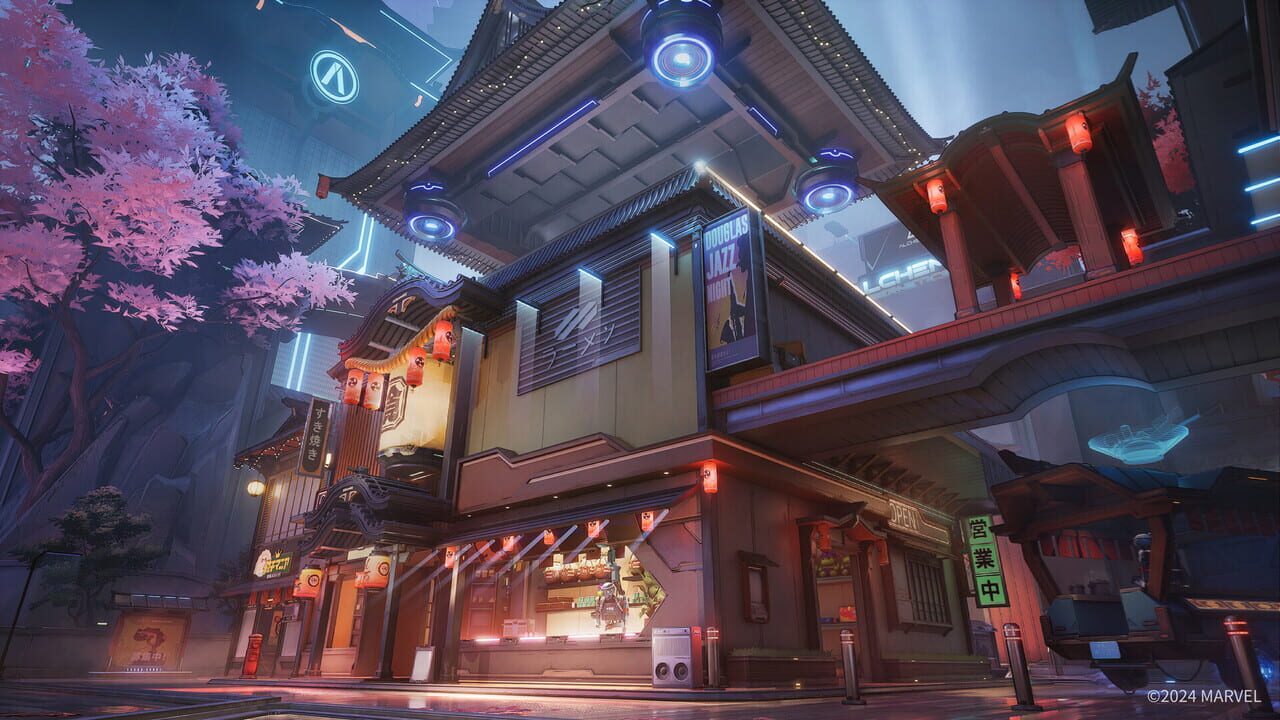
Marvel Rivals New Player Guide
Intro
Welcome to Marvel Rivals! If you’ve been hearing buzz about this title and want a solid Marvel Rivals New Player Guide, you’re in the right spot. This hero shooter puts iconic Marvel characters together in fast-paced 6v6 matches, and jumping in for the first time can feel overwhelming. The good news? The core loop is straightforward: pick a hero, learn your role, team up, and climb. With Season 10.5 rolling out fresh MCU talent and regular balance tweaks, there’s never been a better window to start your journey. This guide covers the essentials — roles, objectives, hero archetypes, and smart habits — so you can go from confused newbie to confident rival without wasting hours figuring things out on your own.
Core Mechanics
| Concept | What It Means |
|---|---|
| Role System | Every hero falls into one of three roles: Tank, Duelist, or Strategist. Tanks absorb damage and protect, Duelists deal high damage from close or mid range, and Strategists support and enable the team. |
| Map Objectives | Most modes revolve around capturing or defending point systems. Push the payload, hold the zone, or control key areas — objectives win matches, not just kills. |
| Rival Ability | Each hero has a unique ultimate ability that charges through damage dealt, damage taken, or objective play. Save it for the right moment. |
| Team Comps | A balanced team typically mixes roles — a solid comp has at least one Tank, one Duelist, and one Strategist. Lone-wolf picks get punished in coordinated play. |
| Dodge & Movement | Many heroes can dodge or dash to evade skill shots. Movement tech separates good players from great ones. |
| Team-Ups | Certain hero pairs have special synergy abilities when played together. Learn which combos exist and capitalize on them. |
| Hero Roles | Tanks anchor pushes and absorb damage. Duelists flank and secure eliminations. Strategists heal, buff, and provide utility to sustain team fights. |
| Match Modes | Marvel Rivals features push, control, and attack/defense modes. Each mode has distinct objective flow and requires different strategic approaches. |
Step-by-Step
1. Pick Your First Role
Decide what kind of playstyle feels fun to you. If you like being in the thick of things and protecting allies, go Tank. If you enjoy aggressive plays and picking off enemies, Duelist might be your vibe. If you prefer keeping your team alive and controlling the battlefield from a distance, Strategist is your call. Don’t overthink it — you’ll explore other roles as you level up. Each role demands different positioning instincts, so trial and error is your best teacher early on.
2. Learn One Hero Deeply
Before jumping between ten different characters, pick one hero in your preferred role and learn their full kit. Understand their basic attack, secondary fire, ability cooldowns, and when their Rival Ultimate charges enough to use. Mastery beats versatility early on. Once you are comfortable with one hero, gradually expand your pool to build flexibility for different map and matchup scenarios.
3. Watch the Mini-Map Constantly
Your minimap is your best friend. Enemy pings, teammate positions, and objective locations all show up there. Glancing every few seconds prevents you from walking into ambushes and helps you call out info to your team. Make it a habit to check the map after every fight, respawn, or objective push. Consistent map awareness is one of the fastest ways to improve your game sense.
4. Prioritize Objectives Over Kills
It doesn’t matter if you got five kills if your team loses the point. Marvel Rivals rewards objective-focused play. Push the payload, capture the zone, and hold the line. Kill confirmations matter, but objective presence wins rounds. Always ask yourself whether a kill attempt is worth leaving the objective unprotected. When in doubt, stay with the group and play the mode.
5. Communicate and Coordinate
Use pings and voice chat when possible. Call out ultimates, flag enemy positions, and request focuses. Even simple comms like “ult ready” or “retreating” can swing a match. You’re playing a team game — acting alone gets you eliminated. Effective communication does not require a microphone; ping-based coordination is sufficient for most players.
6. Review and Adjust After Each Match
After a loss, ask yourself what went wrong. Were you sticking too far forward? Ignoring the objective? Saving your ultimate at the wrong time? Small corrections compound fast. Don’t rage-quit; use it as feedback. Consider reviewing your match replay if the game provides that feature, or simply reflect on one thing you will do differently next round.
7. Experiment in Unranked First
Before locking into Ranked, spend time in Quick Play. Try different heroes, learn counters, and understand map flow without the pressure of matchmaking ratings. Unranked is your training ground — use it freely. Treat each session as practice, not competition. The skills you build here will carry directly into ranked play.
Tips
- Don’t feed your ult to empty lanes. A Rival Ultimate wasted on a team that is already spread out is a missed opportunity. Hold it until enemies cluster or key targets group up.
- Stay near your Tank when playing Duelist. Tanks create space for Duelists to operate. Staying alone means staying dead.
- Strategists, watch your back. Healers and supports are priority targets. Position behind your Tank and don’t overextend while channeling heals or abilities.
- Learn the one-minute rule. After respawning, don’t immediately sprint into danger. Wait a few seconds, check the map, and move with your team.
- Patch notes matter. The community posts regular balance updates. Staying aware of changes keeps your hero pool current and gives you an edge over players who ignore meta shifts.
- Pick heroes that counter the enemy comp. If the enemy has heavy close-range Duelists, bring a Strategist who can keep distance and suppress them. Flexibility wins games.
- Control your breathing. Tilt is real. Take a break after two consecutive losses and come back fresh. Emotional control is a skill that separates climbing players from stagnant ones.
- Focus fire before ulting. Eliminate one enemy before using your ultimate on the remaining group. A clean pick softens the engagement and makes your ult significantly more impactful.
- Learn map control zones. Every map has choke points, high-ground advantages, and safe rotation paths. Understanding these layouts gives you positional leverage in fights.
Hero Role Breakdown
Tanks
Tanks are the frontline anchors. Their job is to absorb damage, create space, and protect fragile allies. They excel at initiating fights and blocking enemy advances. Good tank play requires strong positioning, knowing when to engage, and managing your health and cooldowns carefully. You should never tank alone — always have at least one strategist backing you up.
Duelists
Duelists are the primary damage dealers. They excel at picking off isolated targets, flanking, and closing out fights. Strong duelists read enemy positioning, identify overextended targets, and strike with precision. Mobility is your greatest asset — use it to reposition between fights and avoid getting caught out.
Strategists
Strategists keep the team alive and provide utility. Their healing, shielding, and crowd-control abilities enable sustained team fights. Good strategists manage their resources carefully, prioritize healing high-value targets, and know when to disengage rather than chase kills. You are the backbone of any successful comp.
Team Composition Guide
A well-rounded team typically includes at least one hero from each role. Common effective compositions feature a Tank to lead pushes, a Duelist to secure eliminations, and a Strategist to sustain the team through extended engagements. Some compositions lean heavier on Duelists for aggressive map control, while others favor extra Strategists for defensive holds. Experiment in unranked to discover which setups feel natural for your playstyle.
Key principles for team building:
- Ensure your team has survivability — never go full damage without a healer.
- Match your composition to the map objective — push maps reward front-heavy teams, control maps reward sustained fight presence.
- Communicate hero picks with your team to avoid duplication and fill role gaps.
FAQ
Q: What role should I start with as a total beginner? A: Start with a Strategist or Tank if you’re new. Both roles are more forgiving — you support from the backline or you soak damage up front. Duelists require sharper positioning and game sense, so give yourself some time first.
Q: Do I need to play with friends to enjoy Marvel Rivals? A: Not at all. While squad play is fun, solo queue is completely viable. Use in-game pings to communicate, and don’t be afraid to team up with randoms who seem cooperative. Many players climb solo every season.
Q: What is a Team-Up ability? A: Certain heroes have special synergistic moves that activate when two specific characters are on the same team. These can provide powerful area effects, boosted healing, or crowd control. Check hero bios in the roster screen to learn which pairs unlock these.
Q: Is there crafting, trading, or co-op PvE content in Marvel Rivals? A: No. Marvel Rivals does not currently feature a crafting system, player-to-player trading, dedicated co-op PvE modes, or any equivalent of those features. The focus is on hero-based PvP multiplayer matches. Any guide claiming otherwise would be inaccurate.
Q: How do I improve my mini-map awareness? A: Make it a conscious habit to glance at the minimap every 5 to 10 seconds. Start by focusing on enemy positions and objective status, then gradually incorporate teammate locations into your scan pattern. Over time this becomes automatic.
Q: What should I do if I keep losing in Ranked? A: Step back and review your last few matches. Identify recurring mistakes such as poor positioning, abandoned objectives, or misused ultimates. Consider dropping back into Quick Play to rebuild confidence before re-entering Ranked. Taking breaks between sessions also helps maintain focus.
Final Thoughts
Getting started in Marvel Rivals does not require perfection — it requires curiosity and patience. Pick a role, master one hero, watch the minimap, and play the objective. The fundamentals covered in this Marvel Rivals New Player Guide will serve you well as you progress through seasons and explore the expanding roster. Stay aware of balance changes, keep your team communication positive, and remember that every pro was once a beginner. Your journey starts with a single match — jump in and enjoy the rivalry.
Keep exploring
- Marvel Rivals on MMOKB — the Marvel Rivals game hub has the full knowledge base, tools and guides.
- Read the Marvel Rivals knowledge base — Vanguard, Duelist, Strategist, Roster.
- More Marvel Rivals guides — Marvel Rivals Achievements: 2026 Step-by-Step Completion Guide, Marvel Rivals Advanced Strategies Guide, Marvel Rivals Builds & Farming Guide 2026, Marvel Rivals Best Builds, Marvel Rivals Boss Guide 2026: Proven Strategies, Marvel Rivals Combat Guide 2026: 5 Pro Tips for Dominating.
- Browse the full library — all MMOKB guides
Reviewed & verified
| Covers | marvel-rivals |
| Last verified | November 4, 2026 |
| Accuracy | The game’s own numbers and rules — they change with patches; check in-game for live values. |
Discussion
0 commentsNo comments yet. Be the first!