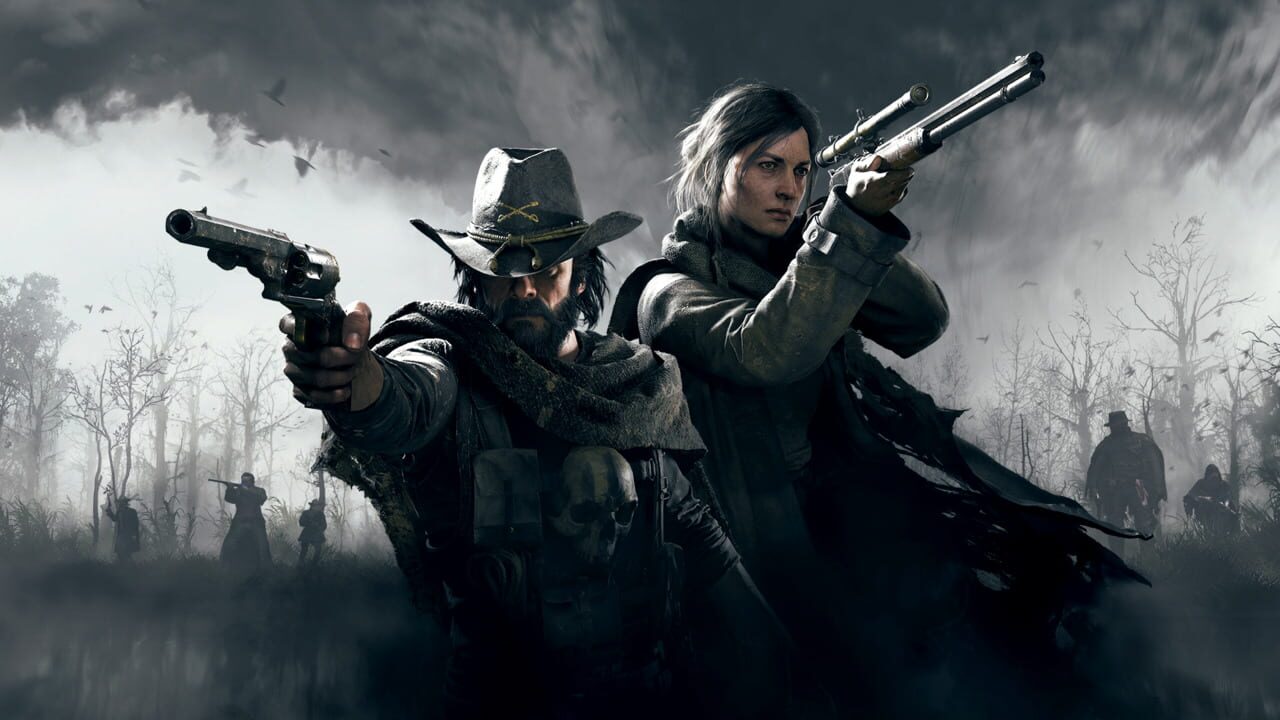
Hunt Showdown Combat Guide: 2026 Builds & Tactics
Intro
Welcome, bounty hunter. This Hunt Showdown Combat Guide covers the builds, tactics, and strategies you need to survive Louisiana’s brutal bayou. Whether you’re deploying for the first time or you’re a veteran chasing mastery, this guide will sharpen your gunfighting, perk selection, and extraction instincts. Hunt Showdown isn’t your typical arena shooter. It’s a slow-burn extraction experience where every bullet counts, every footstep echoes, and one mistake can end your run. With updated perks, seasonal weapon variants, and evolving Inferno cycles, the bayou rewards preparation and discipline. Let’s get you locked and loaded.
Core Mechanics
| Mechanic | Description | Why It Matters |
|---|---|---|
| Sound Design | Every footstep, reload, and weapon cycle emits directional audio across the map. | Hearing before being seen is the #1 advantage in Hunt Showdown. Superior audio awareness separates winners from corpses. |
| Weapon Handling | Weapons have distinct reload animations, equip delays, recoil patterns, and fire rates. | Your build priority should balance fire rate, damage, and recovery speed. A mismanaged reload during combat equals death. |
| Blood & Wound Tracking | Injured enemies leave visible blood trails. Wounded bounties bleed out over time unless treated. | Tracking wounded foes through terrain is a core tactical tool. The ground becomes your map. |
| Inferno Cycle | A special darkened time-of-day mode that drastically reduces visibility and changes thermal contrast. | Low-light combat favors thermal optics and prepared positioning. Night fights demand patience and sound discipline. |
| Bounty & Extraction | Each match centers on securing a bounty and exfiltrating via boat. Rival crews want the same prize. | Combat isn’t just about kills — it’s about surviving long enough to extract. Aggression must be tempered with strategy. |
| Hunter Perks | Your Hunter Level unlocks perks that shape your combat loadout across multiple slots. | Smart perk choices compound over time. A well-built hunter maximizes survivability and firepower without sacrificing utility. |
| Health & Healing | Health is divided into body sections (arms, legs, torso). Different healing items restore different parts. | Leg shots cripple mobility. Arm shots impair weapon handling. Prioritize which body parts matter most in every fight. |
| Vision Tools | Night Vision Scopes and Thermal Optics are tiered equipment purchased with Hunt Coins from the in-game store. | Choosing the right optic for the right situation is critical. Thermals reveal heat in darkness; NVGs preserve natural contrast. |
Step-by-Step Combat
Step 1: Before the Match — Loadout Prep
Your combat performance starts before you even step onto the bayou. Build your hunter thoughtfully.
- Pick your primary weapon role: Is your team relying on long-range engagements or close-quarters clearing? Choose weapons accordingly — bolt-actions for distance, shotguns for chokepoints, and semi-autos for versatility.
- Upgrade your key perks: Focus on perks that enhance your playstyle — Marksmanship for accuracy, Swift Hands for faster reloads, or Hardy for extra survivability.
- Allocate equipment slots wisely: You have limited space. Bring a flashlight, a compass, a medkit, and whatever vision tools fit your style. Don’t waste slots on cosmetics when gear saves lives.
- Study the map: Know the loot routes, extraction points, and common ambush zones for Backwater Bayou or White Oak Bayou. Map knowledge is a passive combat advantage.
Step 2: Drop & Initial Engagement
Once you land, your objectives shift from exploration to threat assessment.
- Move with purpose. Stop and scan every corner. Listen for enemy footsteps, weapon draws, and distant gunfire. Sound is your earliest warning system.
- Control engagements. Never chase a fight — make the enemy come to you whenever possible. Hold high ground, cover flanking routes, and force opponents into disadvantageous positions.
- Use the environment. Walls block bullets but not sound. Use terrain to your advantage — peek around corners, use cover for reloads, and manipulate line-of-sight to gain information without exposure.
- Communicate with your team. Call out enemy positions, health states, and item locations. A coordinated crew that shares information will crush unorganized firefights every time.
Step 3: Active Firefights
When contact is made, things move fast but deliberately.
- Prioritize targets. Take out the most dangerous threat first — usually the player with the best weapon or the one with line-of-sight on your teammate.
- Manage your ammo and reloads. Don’t fire blindly. Each bullet should earn its place. After engaging, fall back to a defensive position and reload safely behind cover.
- Use your vision tools. If it’s dark, especially during Inferno cycles, switch to thermals or NVGs. They reveal enemies through foliage and darkness, giving you crucial early information.
- Aim for weak spots. Headshots deal massive damage. Chest shots are reliable. Body shots on limbs can cripple enemies and make them easier to finish — especially useful when tracking a wounded foe.
Step 4: Post-Engagement & Recovery
Winning a fight doesn’t end the match. What you do after matters just as much.
- Loot the fallen. Every enemy body is a potential resource cache — ammo, heals, tools, and upgrade material. Scavenge efficiently.
- Reposition immediately. Fights attract attention. After a gunfight, expect retaliation from nearby teams who heard the exchange. Move to a new defensive position.
- Patch up your team. Heal wounds, bandage limbs, and ensure everyone is combat-ready before pushing forward toward the bounty or extraction.
- Reset and re-engage. Matches are marathons, not sprints. Pace your aggression, conserve resources, and stay disciplined across multiple encounters.
Tips
- Sound is everything. Play with headphones if at all possible. Footsteps, rustling leaves, and distant gunshot reports carry vital intel. Learn the audio signatures of different surfaces and actions.
- Patience beats panic. Rushing into fights is the fastest way to die. Hold angles, wait for mistakes, and punish overextension. The bayou rewards the patient hunter.
- Inferno changes the rules. During Inferno cycles, visibility drops dramatically. Stock up on vision-enhancing gear before these matches. Thermals are particularly devastating in low-light conditions.
- Map knowledge compounds. Over time, you’ll learn where enemies expect to find loot, where they set ambushes, and how they rotate. This knowledge alone can win you matches without firing a single shot.
- Practice recoil control. Each weapon has a unique spray pattern. Spend time in the range or low-stakes matches learning how your favorite guns behave under sustained fire.
- Don’t forget the bounty. Killing enemies is satisfying, but your actual objective is securing the bounty and extracting. Fight with purpose, not just for the kill.
- Watch the mini-map. Even when obscured by fog or terrain, enemy positions can sometimes be inferred from mini-map indicators. Use this sparingly and cross-reference with audio cues.
- Learn from deaths. Every time you die, ask yourself what went wrong. Was it poor positioning? Rushed aggression? Ignored sound cues? Honest self-reflection is the fastest path to improvement.
Related Guides
- Hunt Showdown Ui And Settings Guide
- Hunt Showdown Group Play Guide
FAQ
Is Hunt Showdown a PvP-only game?
Hunt Showdown is primarily a PvPvE extraction shooter. You compete against other teams of players, but the environment also features hostile creatures and environmental hazards that can threaten your run.
What are the best perks for combat in Hunt Showdown?
Top combat perks include Marksmanship for improved accuracy, Swift Hands for faster reloads, and Hardy for increased survivability. Choose perks that complement your preferred engagement range and playstyle.
How does the Inferno cycle affect combat?
Inferno is a special game mode with drastically reduced visibility and altered thermal contrast. It favors thermal optics, prepared positioning, and disciplined sound management over aggressive pushing.
What is the main objective in Hunt Showdown?
The primary goal is to secure a bounty contract, eliminate rival hunters, and extract via boat. Kills matter, but survival and successful extraction win matches.
Game: hunt-showdown
Hunt Showdown is a PvPvE extraction shooter set in the dark swamps of Louisiana. Released by Crytek and published by CD Projekt, it launched in August 2019. The game runs on CryEngine and supports both solo and squad play. Available on PC, PlayStation 4, PlayStation 5, Xbox One, and Xbox Series X|S, it offers persistent progression through Hunter Levels and a seasonal battle pass. The game’s core loop revolves around accepting bounty contracts, gearing up, competing against other hunter crews in PvPvE matches, and extracting with your prize. Notable updates include seasonal Inferno modes, weapon additions, and map variants like Backwater Bayou and White Oak Bayou. No crafting, trading, or co-op PvE campaigns exist — the experience is entirely PvPvE focused.
Keep exploring
- Hunt: Showdown on MMOKB — the Hunt: Showdown game hub has the full knowledge base, tools and guides.
- Read the Hunt: Showdown knowledge base — Maps, Bounties, Economy, Loadout.
- More Hunt: Showdown guides — Hunt Showdown Tips: 8 Proven Tactics (2025), Hunt Showdown Beginner Guide 2026, Hunt Showdown Builds & Farming: Your 2026 Extraction Guide to C$, Your Hunt-Showdown Roles: 2026 Best Tier List Guide, Hunt Showdown Creature Guide 2026: Alligators, Scorpions & Spiders, Hunt Showdown Controller Settings 2026: Best Deadzones & Builds.
- Browse the full library — all MMOKB guides
Reviewed & verified
| Covers | hunt-showdown |
| Last verified | October 7, 2026 |
| Accuracy | The game’s own numbers and rules — they change with patches; check in-game for live values. |
Discussion
0 commentsNo comments yet. Be the first!