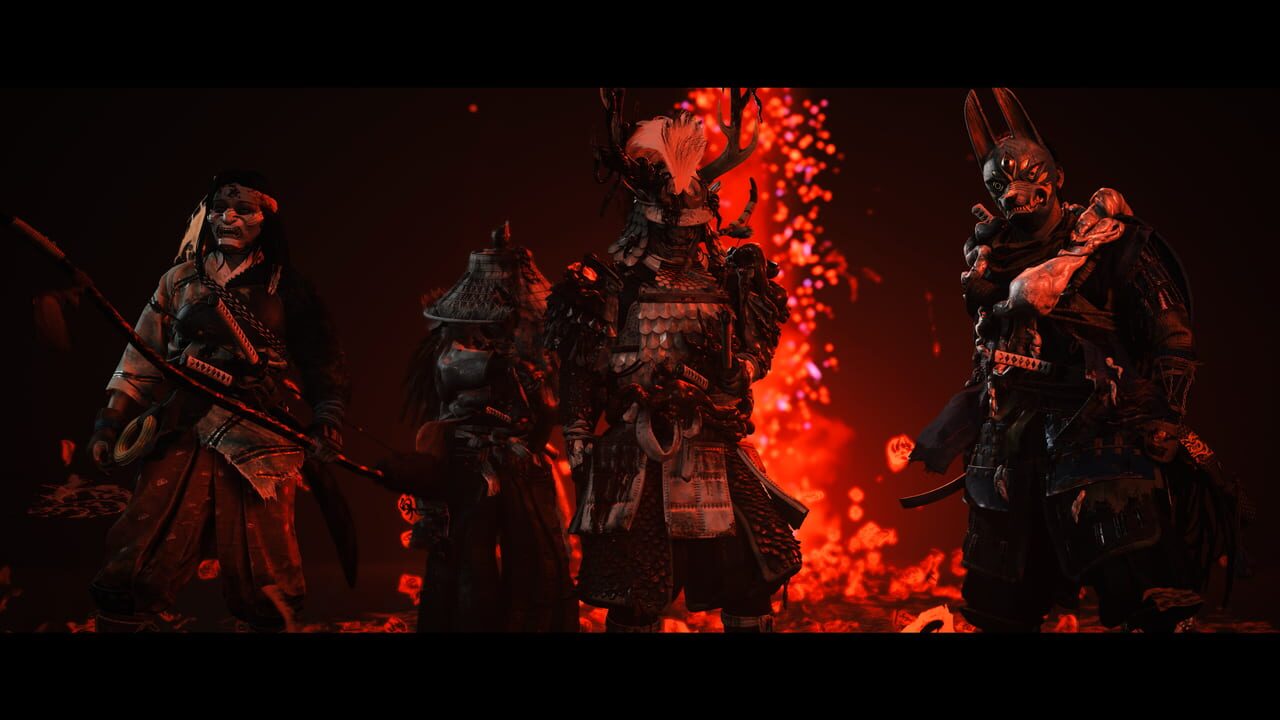
Ghost of Tsushima: Legends is Sucker Punch’s co-op add-on for Ghost of Tsushima, built around a class-based combat system, deep PvE content, and a PvP ladder. It is a premium product: the base game is required, and Legends is an add-on that extends the single-player experience with cooperative and competitive content. This guide covers the core systems: class selection, the co-op missions, and the progression that matters in 2026.
Class selection and the combat roles
Legends has a set of playable classes, each with a distinct combat style and a set of unique abilities. The main classes include Samurai, Ranger, Hunter, Medic, Berserker, and Assassin. As a beginner, pick a class based on how you want to play: melee classes are more forgiving in group content, ranged classes clear solo content faster, and support roles are the backbone of any co-op group. The class choice is not a permanent lock-in; you can switch classes between missions. The class kit is where the depth lives: each class has a unique ability tree and a set of passive upgrades that shape the way you play.
Co-op missions and the PvE content
The co-op content is the main draw of Legends: missions that require a team of up to four players, with a mix of boss fights, escort missions, and world events. As a beginner, join the in-game co-op finder rather than random-joining high-level lobbies. The mission mechanics are the core of the PvE: bosses use positional mechanics, timed adds, and phase transitions, and the failure penalty is short enough that you can learn by dying. Focus on learning the boss patterns; the co-op content is where the community lives and the social structure is built.
The PvP ladder and competitive play
Legends has a PvP system built around ranked ladders and seasonal resets. The PvP modes are shorter than the co-op content and reward mechanical skill over gear. As a beginner, treat PvP as a skill check: the timing and positioning systems mean an underleveled player with good fundamentals can outplay a higher-level one in short matches. The casual PvP modes are a good way to learn the mechanics without the pressure of the ranked ladder. Check in-game for the current PvP season and the ranked reward structure.
Progression and the class upgrades
The progression system is built around class upgrades: each class has a set of passive upgrades that you unlock through the co-op and PvP content. The upgrades are the main source of long-term power: a fully upgraded class is significantly stronger than a fresh class. As a beginner, focus on unlocking the core upgrades for your main class; the upgrade tree is where the build depth lives. Check in-game for the current upgrade tree and the unlock requirements, as Sucker Punch updates the progression with each patch.
The base game requirement
Legends is an add-on: the base Ghost of Tsushima game is required to play it. The single-player campaign is the foundation, and the Legends content builds on top of it. As a beginner, complete the single-player campaign before diving into the co-op content; the single-player game is where you learn the combat system and the class mechanics. The single-player and Legends content share the same character progression, so the upgrades you unlock in the single-player campaign carry over to the Legends content.
Spending considerations
Ghost of Tsushima: Legends is a premium product: the base game and the add-on are purchased separately. There is no free-to-play layer; the progression is earned through play. The cosmetic items and the convenience features are the optional purchases, but they are not required for content access. Check in-game for the current cosmetic store and the convenience items, as Sucker Punch rotates the store content with each season.
FAQ
Do I need the base game to play Ghost of Tsushima: Legends?
Yes. Ghost of Tsushima: Legends is an add-on that requires the base Ghost of Tsushima game. The single-player campaign is the foundation, and the Legends content builds on top of it. The character progression is shared between the single-player and the Legends content.
What is the best class for a beginner in Legends?
A melee class (Samurai or Berserker) is the most forgiving for new players because their combat is less dependent on precise positioning. A ranged class (Ranger) rewards practice but clears solo content faster once you are comfortable. Create a second class if your first pick does not feel right; the class selection is not a permanent lock-in.
Is Ghost of Tsushima: Legends still active in 2026?
Sucker Punch continues to support the game with seasonal updates and new content. Check in-game for the current content calendar and the event schedule to confirm the latest additions. The premium model means the game is accessible with the base game purchase.
Ghost of Tsushima Legends: Hero Skills
The hero skill system is the backbone of Legends progression. A hero is the character you unlock in the base game; each has a skill tree that you unlock through co-op and PvP content, plus a passive upgrade that gives a small stat bump.
- The skill tree is where the build depth lives. Each hero has a distinct set of skills, and the order you unlock them shapes the playstyle. A fully upgraded hero is significantly stronger than a fresh one.
- Passives matter more than active skills early. A flat damage or survivability bump is worth more in the first few weeks than a flashy active you have not mastered. Check in-game for the passive pool.
- Match the hero to the co-op content. Some heroes shine in boss fights, others in escort missions, others in open-field events. A hero weak in one co-op mode is often strong in another, so do not write a hero off after one bad session.
- Do not spread skill points across heroes. Focus on one hero per class, and only unlock the others once you have a solid base.
Check in-game for the current hero pool and skill unlock requirements; the balance shifts with each patch.
Ghost of Tsushima Legends: Endgame Content
Past the first co-op tier, the endgame opens up:
- Co-op boss rotations. The co-op boss pool rotates with the seasons; a boss easy at the start is often tuned to be the hardest at the end. Check in-game for the current rotation.
- PvP ladder. The main competitive draw. Seasons reset, the rewards are tied to placement, and the casual modes are the best way to learn the mechanics without the pressure of ranked. Check in-game for the current season and reward structure.
- World events and open-field content. The social glue: the large-scale fights, the world bosses, and the seasonal events are where the community lives. A coordinated group clears them faster than a solo player ever could.
- Legendary gear and the upgrade tree. The main source of endgame power. The upgrade tree converts co-op materials into gear upgrades. Check in-game for the current pool.
How often do the co-op bosses rotate?
With each season; Sucker Punch updates the rotation with the seasonal content drop. Check in-game for the current pool.
Is the PvP ladder worth it as a beginner?
Yes, but start in the casual modes. That is where you learn the mechanics without the pressure of ranked; the rewards are tied to the season, not placement. Move to ranked once you have a solid base class.
Do the hero skills carry over between the base game and Legends?
Yes. The character progression is shared between the single-player campaign and the Legends content, so the hero skills and passives you unlock in the base game carry over. The new skill trees live in the co-op and PvP content.
Keep exploring
- Ghost of Tsushima: Legends on MMOKB — the Ghost of Tsushima: Legends game hub has the full knowledge base, tools and guides.
- Browse the full library — all MMOKB guides
Reviewed & verified
| Covers | Ghost of Tsushima: Legends |
| Last verified | November 24, 2026 |
| Accuracy | The game’s own numbers and rules — they change with patches; check in-game for live values. |
Discussion
0 commentsNo comments yet. Be the first!