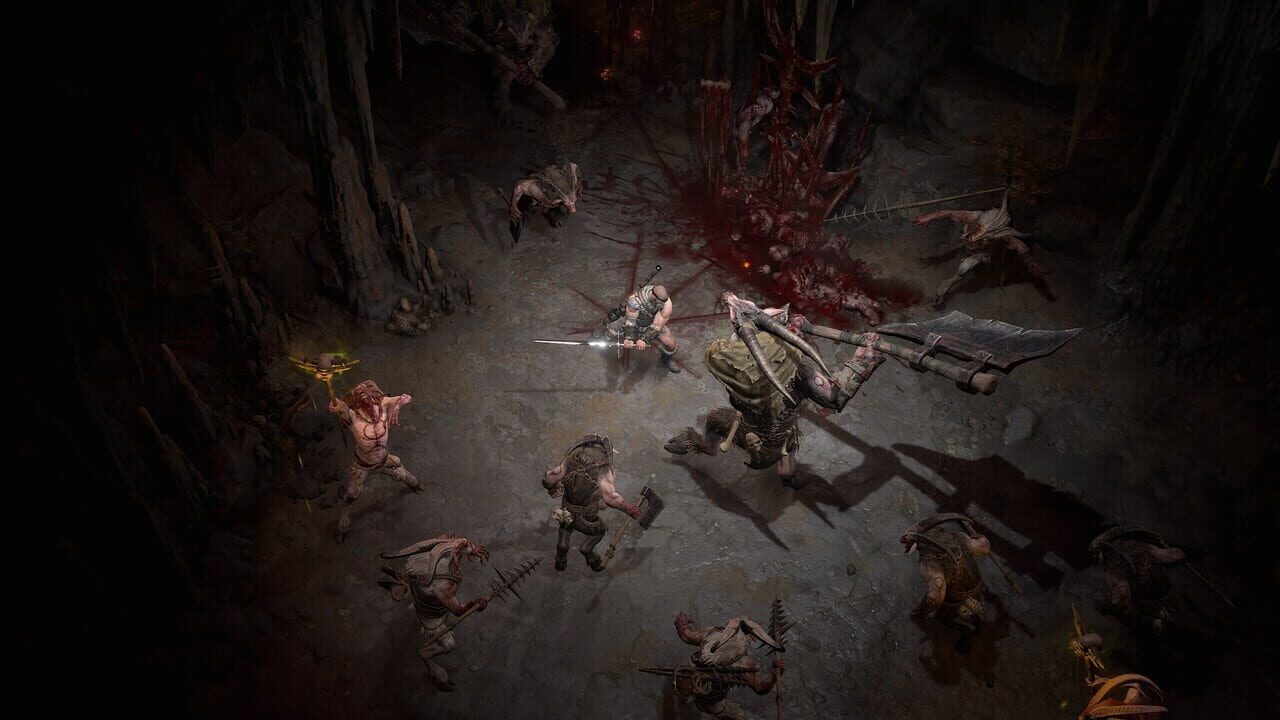
Diablo IV’s second expansion, Lord of Hatred, launched April 28, 2026 — and its most talked-about system is also the one players keep misunderstanding: the War Plan content structure. Unlike Vessel of Hatred’s single-campaign approach, Lord of Hatred layers progression into scheduled content tiers, and players who ignore the schedule hit a wall. This guide explains the expansion’s structure, the level layering, and the fastest sane route through it.
Note: This guide reflects Diablo IV as of the Lord of Hatred expansion (April 2026). Balance patches adjust numbers; the structure holds.
What Lord of Hatred Adds
The expansion’s headline systems:
- War Plan content — the new progression framework gating endgame tiers
- Layered levels — the expansion’s difficulty/level architecture that spreads your progress across scheduled content
- New classes, areas, and stories — the expansion’s character and zone additions
- Expanded access options — you can skip the first expansion and jump straight into Lord of Hatred, or skip both expansions entirely and create an endgame character directly
That last point deserves emphasis: Blizzard added alternate progression paths specifically because the layered structure punishes unprepared characters. The catch, per the community consensus: skipping is not recommended for beginners — dropping into War Plan content without understanding the base systems leaves you “completely confused” and underpowered.
The War Plan: Scheduled Progression, Not Optional Grind
The War Plan is Lord of Hatred’s organizing principle — and the source of the expansion’s biggest friction point. The core criticism from players is straightforward:
“Unless you schedule a fixed amount of time each week, the gap between your progress and the content you actually want to play will last a long time.”
War Plan content unlocks in scheduled tiers. Fall behind the cadence and the gap compounds: you’re farming old layers to qualify for content your friends are already clearing. The practical advice that follows:
- Set a weekly hour budget before you engage. The War Plan rewards consistency, not marathon sessions.
- Treat each layer’s requirements as a checklist. Understanding where each level sits and what it requires is, as the community puts it, “half the battle won.”
- Don’t skip the chain — the layers gate each other, and trying to leapfrog the structure wastes more time than following it.
- Coordinate with your group’s schedule. Party play remains the most efficient clear rate; mismatched War Plan tiers split your groups.
The Layered Level Structure
Lord of Hatred’s level architecture splits progression into stacked layers — base character levels, War Plan layer tiers, and the expansion’s endgame layers — each with its own requirement gates. The practical effect:
- Character power comes from the layer you’re in, not just raw level.
- Every layer has entry requirements — gear thresholds, completion states, and time investment.
- Skipping the first expansion (Vessel of Hatred) is possible for Lord of Hatred, but you inherit both expansions’ system complexity; the expansion assumes you know Paracht systems the first expansion introduced.
The endgame character creation option deserves a separate note: creating a level-appropriate endgame character directly is legitimate for experienced players who want to raid the new content with a group. For everyone else, the campaign and layer structure is the intended — and honestly, the faster — path.
New Classes and Areas
The expansion shipped new playable classes, new areas, and new story acts (the Lord of Hatred narrative continues Mephisto’s thread from Vessel of Hatred’s Dark Citadel storyline). Class tier discussions in the current era center on how the new classes slot into the established endgame meta — and the community verdict is that the new classes are strong, which matters because War Plan content is tuned assuming competitive builds.
For build context on the previous expansion, our Spiritborn leveling guide and Dark Citadel raid guide cover the systems Lord of Hatred builds on.
Scheduling: The Real Endgame Skill
The honest takeaway from the expansion’s first months: Lord of Hatred respects schedules more than skill. The players thriving in War Plan content share one habit — fixed weekly sessions with defined goals:
- Layer progress first: complete the current War Plan tier before chasing side content.
- Group on schedule: the expansion’s hardest content assumes coordinated groups; pick two nights and make them consistent.
- Don’t farm past the gate. Layer-gated content means over-farming a completed layer is wasted hours — push the gate.
- Use the skip options deliberately. Starting an endgame character is a tool for experienced accounts, not a shortcut for learning the expansion.
FAQ: Quick Answers
Can I jump straight to Lord of Hatred without Vessel of Hatred? Yes — the expansion supports skipping the first expansion entirely. Expect to learn both expansions’ systems simultaneously, and expect the War Plan to assume you know the baseline systems.
Can I create an endgame character directly? Yes — Lord of Hatred allows endgame character creation that skips the campaign and early endgame entirely. It’s designed for experienced players rejoining with groups; beginners should take the campaign path.
What happens if I miss a War Plan week? You fall a tier behind the players who didn’t. The layers gate each other, so missed time compounds — the catch-up cost grows the longer you wait.
Do I need the new classes to clear War Plan content? No. The new classes are competitive, but the War Plan is tuned for the existing roster’s capabilities. Build quality matters more than class novelty.
Is Lord of Hatred Worth It?
The community verdict four months in: it’s a genuine turning point for Diablo IV’s structure — the War Plan gives the endgame a shape it never had, the layered levels create actual long-term goals, and the content volume justifies the expansion price. The cost is that it demands scheduling discipline that previous Diablo content didn’t. If your playtime is unpredictable, the War Plan will frustrate; if you can commit two or three fixed sessions a week, it’s the most structured and rewarding Diablo IV has ever been.
For the systems this expansion builds on, read the Diablo IV beginner guide and the Dark Citadel raid guide.
Discussion
0 commentsNo comments yet. Be the first!