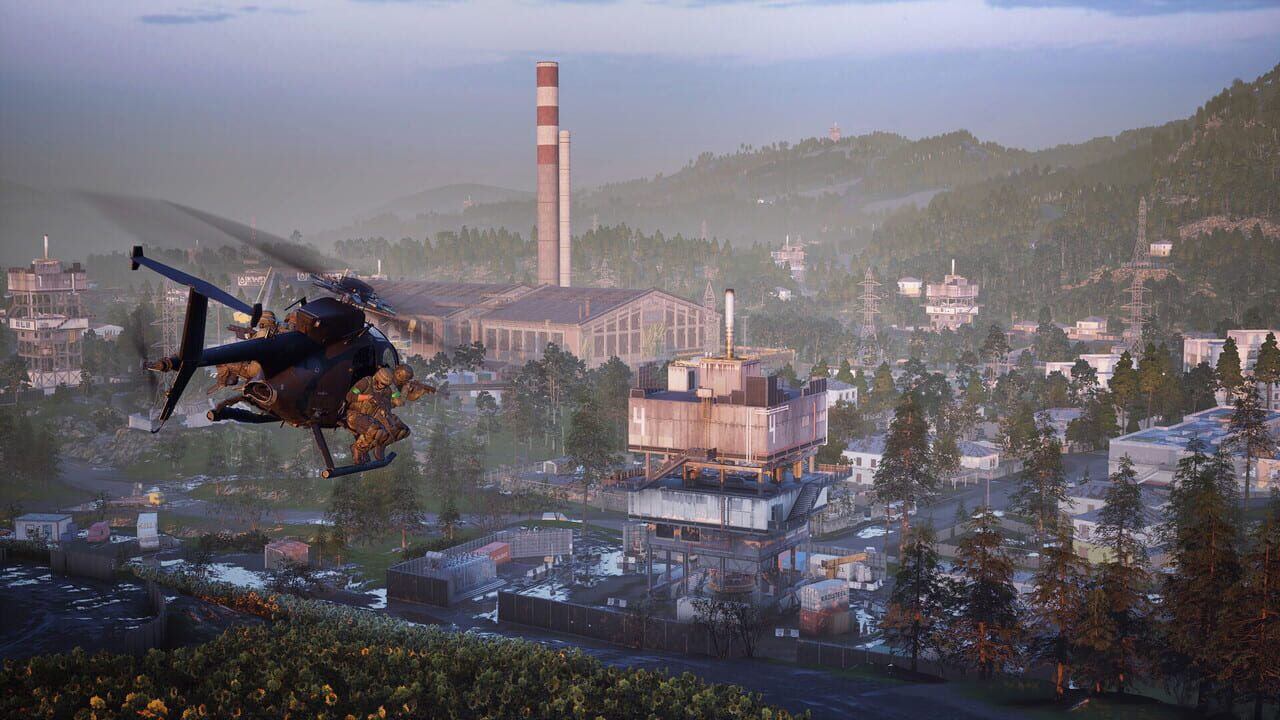
Wardogs Solo Guide 2026: Proven Tactics & Rank Climb
Game Overview
Wardogs is a squad-based tactical shooter where operators deploy into high-stakes combat arenas. Matches revolve around objective control, precise gunplay, and smart positioning. Whether you queue solo or with a squad, reading the map and managing your loadout efficiently separates consistent winners from bystanders. This guide covers everything you need to climb on your own.
Solo Role Expectation
Running solo means you carry the full mental load: callouts, positioning, cooldown tracking, and objective awareness all fall on you. No teammate is checking your blind spots — you check them. The key advantage solo players have is simplicity: fewer voices, fewer expectations, full autonomy over rotation timing and engagement decisions.
| Solo Responsibility | What It Means |
|---|---|
| Map awareness | Track enemy spawns, predictable routes, and objective timers without squad input. |
| Positioning discipline | Never commit to a fight unless you have a clear exit route ready. |
| Cooldown management | Track your own utility cycles and ability windows — there is no one to cover your downtime. |
| Objective pressure | Solo players who control space dictate engagement pace instead of reacting to it. |
| Callout consistency | Your voice is the only comms channel. Clear, concise calls win rounds before they start. |
Loadout Strategy for Solo Play
Your solo loadout must answer three questions: Where do I engage? How do I disengage? What if things go wrong?
Primary Weapon Selection
- Pick a primary that handles your most common engagement range. If you hold angles, choose a weapon that rewards precision. If you rotate aggressively, choose one that dominates close-quarters trades.
- Versatility matters less than mastery on solo. Commit to one platform and min-max attachments around it.
Secondary & Utility
- A reliable sidearm gives you an escape hatch when your primary runs dry or an enemy closes distance faster than expected.
- Utility choices should cover two gaps: information (scanner, sensor, or recon tool) and survival (heal, shield, or mobility). Solo players cannot afford to be caught without at least one answer to each threat type.
Attachment Priorities
- Optic clarity — You need to read targets at range since you won’t have a spotter calling shots for you.
- Recoil control — Solo engagements often demand sustained fire; stable guns win prolonged fights.
- Mobility — Rotation speed determines whether you land on an objective or arrive late to a losing fight.
Action: Before queuing, lock in one named loadout preset. Do not fumble with menus mid-match — your opponents will punish that hesitation.
Positioning: Your Biggest Lever
Positioning is the single most impactful decision a solo player makes. Every engagement you accept or avoid shapes the match outcome.
The Three-Point Positioning Rule
- High ground reduces the number of approaches you must watch.
- Filtered chokepoints force enemies into predictable lanes where you can pre-aim and pre-fire.
- Fallback routes are mandatory. Always know your exit before you commit to a fight. If you are pinned without one, you are either eliminated or giving away free utility.
Rotation Timing
- Rotate before the fight reaches you. Waiting for enemies to find you as a solo player is a fast track to being surrounded.
- Proactive rotations let you take objectives with fresh utilities and full health, turning neutral encounters into advantages.
Action: In every match, identify at least two backup positions before taking your first shot. Label them mentally (Position A = main hold, Position B = fallback) and rotate through them as the round progresses. Never stay static for more than two consecutive engagements in the same spot.
Economy & Resource Management
Solo players generate and spend resources alone. Poor economy management wastes entire rounds.
Spending Discipline
- Do not blow your budget on a single fight unless the round context demands it. Save for high-leverage rounds — post-fail streaks, clutch situations, and final rounds.
- Track your resource state across matches. Knowing your typical earnings per round helps you plan economy resets versus aggressive buys.
Utility Conservation
- Every utility item has a purpose. Using a scanner just to check a room costs a resource that could decide a later fight. Assign each tool a clear trigger condition before deploying it.
- Note what you have spent and what is cycling back online. Solo play means you absorb more engagements, so resource pacing beats resource hoarding.
Map Control & Objective Play
Objectives are engagement filters. They force enemies to commit to you on your terms rather than ambushing you in open space.
Solo Objective Strategy
- Hold one objective at a time with clean sightlines instead of trying to rotate between three sites and doing none well.
- Communicate your hold status clearly. “Holding left site” is far more valuable than silent positioning that leaves your squad guessing.
- Collapse onto weakened sites only when your resources allow a clean push. Solo repositioning into a losing fight sacrifices round economy for no gain.
Post-Fight Readiness
- After winning an engagement, immediately reassess your remaining utilities and health. A second enemy may be rotating into the space you just cleared.
- Reset on the objective or rotate to your fallback position — never linger in the fight location longer than necessary.
Tips for Solo Dominance
- Use your optic before every engagement. A confirmed range reading beats a hopeful spray every time. Read the target, then commit.
- Manage your solo economy. Do not blow your budget on low-value fights. Save for rounds that swing the match.
- Rotate before you are rotated. Proactive movement beats reactive desperation every round.
- Track cooldowns like a habit. Log what you have spent and what is returning online — this awareness prevents empty engagements.
- Watch your corners, not just your front. Solo players die because they fixate forward. Peripheral awareness catches flanking attempts before they become fatal.
- Build consistency, not heroics. Reliable positioning and disciplined economy will outperform flashy plays over a full match.
Common Mistakes to Avoid
- Overcommitting to one angle. Holding the same spot for multiple rounds makes you predictable and vulnerable to coordinated pushes.
- Ignoring minimap info. Your minimap is your secondary set of eyes. Check it every few seconds.
- Buying without a plan. Purchasing weapons and utilities without knowing what map segment you will fight in wastes credits.
- Neglecting health management. Running low and pushing is worse than full health and rotating to safety. Healing is not cowardice — it is economy preservation.
- Silent play. Calling out enemy positions, objective status, and cooldown tracking benefits your future self even in solo queue. Good comms habits compound across rounds.
Quick Reference Table
| Scenario | Best Approach |
|---|---|
| Opening round buy | Save or full buy — no half-measures on eco rounds |
| Holding a site alone | High ground with one clear fallback route |
| Post-fight reset | Reassess utilities, rotate if second push incoming |
| Losing streak economy | Skip or minimal buy to stabilize spending cycle |
| Final round clutch | Known angle, full utility deployment, no hesitation |
| Unknown enemy rotation | Play passive, let them commit to your space first |
FAQ
Is Wardogs good for solo players?
Yes. Solo play rewards positioning discipline, economy management, and map awareness — all skills you can develop independently without relying on squad coordination.
What is the best loadout for solo Wardogs?
Pick one primary weapon and min-max it. Pair it with a sidearm for close-range escapes and utility that covers both intel and survival gaps. Lock in a preset before queuing.
How do I manage economy as a solo player?
Track your earnings per round and save for high-leverage situations. Avoid half-buy economy rounds. Reset spending deliberately rather than spiral-buying after losses.
What positioning strategy works best solo?
Use the three-point rule: high ground, filtered chokepoints, and guaranteed fallback routes. Rotate proactively before fights reach you instead of reacting.
How important are callouts in solo queue?
Critical. You are your own comms channel. Clear, consistent callouts about enemy positions, objective status, and cooldown tracking compound into better decision-making every round.
Keep exploring
- WARDOGS on MMOKB — the WARDOGS game hub has the full knowledge base, tools and guides.
- Read the WARDOGS knowledge base — Teamwork, Black Market, Loadouts.
- More WARDOGS guides — Wardogs 2026: Advanced Strategies & Meta Guide, Wardogs Beginner Guide 2026, Wardogs Beginner Guide 2026: Cash & Loadouts, Wardogs Best Builds 2026: Farming & Tactics, Wardogs Best Builds (2026 Guide), Wardogs Best Classes Tier List 2026: S to C.
- Browse the full library — all MMOKB guides
Reviewed & verified
| Covers | wardogs |
| Last verified | October 9, 2026 |
| Accuracy | The game’s own numbers and rules — they change with patches; check in-game for live values. |
Discussion
0 commentsNo comments yet. Be the first!