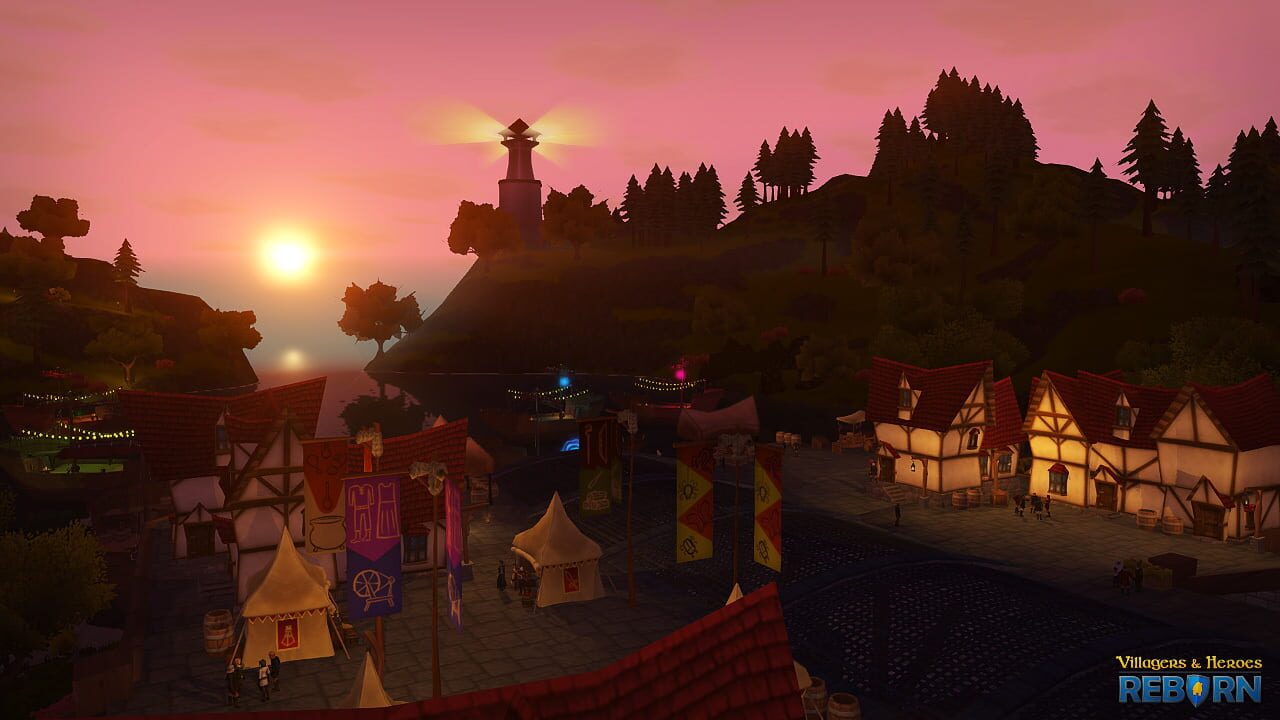
Villagers & Heroes has a crafting system deep enough to be its own game. Players who ignore crafting miss out on gear upgrades, gold income, and self-sufficiency. Players who master it fund their entire account. This guide covers every gathering and crafting profession, efficient leveling paths, and how to make gold from each one.
Gathering Skills: Feed Your Crafting Professions
All crafted items start with gathered materials. You can level gathering skills without spending gold — they generate gold through material sales.
Mining
Tools: Pickaxe (buy from vendor, upgrade as you level). What you gather: Copper Ore, Tin Ore, Iron Ore, Silver Ore, Gold Ore, Platinum Ore, gemstones (Ruby, Sapphire, Diamond, Emerald). Where to mine: Every zone has mining nodes. Higher-level zones have rarer ores. Check the zone map for highlighted mining areas. Profit tip: Ore sells in bulk to Smiths. Gemstones sell individually to Jewelcrafters. List both on the auction house — ore in stacks of 50-100, gems as singles.
Plant Lore
Tools: None — just click plants. What you gather: Herbs (for Cooking and Alchemy), fibers (for Tailoring), wood byproducts (for Woodcrafting). Where to gather: Forests, meadows, and gardens. Plant nodes are most common in green zones. Profit tip: Rare herbs from high-level zones sell for 5-10× common herb prices. Herbs needed for popular buff foods are always in demand.
Fishing
Tools: Fishing pole (vendor purchase). What you gather: Fish (cooking ingredients), shells, pearls, and the occasional treasure chest. Where to fish: Any body of water. Ocean fish differ from lake fish differ from river fish. Some fish only spawn in specific water types. Profit tip: Rare fish required for high-end cooking recipes command premium prices. Treasure chests found while fishing sometimes contain gear or gold.
Bug Lore
Tools: Bug net (vendor purchase). What you gather: Beetles, butterflies, moths, honey, wax. Where to gather: Bug spawns are scattered throughout zones, often near flowers or in caves. Profit tip: Bug materials are used in Tailoring and Cooking. They’re less popular to gather than Mining or Plant Lore, meaning less competition for nodes. Honey from high-level zones sells well.
Crafting Skills: Turn Raw Materials into Gold
Smithing
Station: Anvil and Forge (found in towns, villages, or player housing). Produces: Swords, axes, shields, metal armor, repair kits, metal components.
Leveling path:
- Levels 1-20: Craft Copper Bars → Copper Ingots → basic copper weapons. Sell or use for skill-ups.
- Levels 20-40: Iron Bars → Iron weapons and armor. Iron gear sells well because it’s the first upgrade most players buy.
- Levels 40-60: Silver and Gold bars → mid-tier gear. Silver jewelry components sell well.
- Levels 60+: Platinum → endgame gear. High profit margin but expensive materials.
Gold strategy: Craft weapons one tier below the current level cap and list them at competitive prices. Players leveling new characters or rebirthing need gear at every tier.
Woodcrafting
Station: Woodworking table. Produces: Bows, staves, arrows, furniture, storage containers.
Leveling path:
- Levels 1-20: Process raw wood into planks. Craft basic arrows (consumable, always sell).
- Levels 20-40: Craft mid-tier bows and staves for Hunters and Wizards.
- Levels 40+: Furniture and storage items. Housing decorators pay premium for rare furniture recipes.
Gold strategy: Arrows are your consistent income. Every Hunter needs arrows. Craft popular arrow types and undercut by small margins. Furniture is a niche market — high profit per sale but slower turnover.
Cooking
Station: Cooking fire or stove. Produces: Food with stat buffs, health/mana restoration items.
Leveling path:
- Fish → basic cooked fish dishes. Simple, cheap materials, consistent skill-ups.
- Meat dishes → mid-tier buffs. Combine hunted meat with herbs.
- Complex recipes → high-end buffs for raiding. These sell for the most but require rare ingredients.
Gold strategy: Focus on buff foods popular in the current meta. If the latest raid requires high fire resistance, craft and sell fire resistance food. Check the auction house weekly to see what buff foods are selling well and pivot production.
Tailoring
Station: Loom. Produces: Cloth armor, bags, cosmetic clothing.
Leveling path:
- Levels 1-20: Spin fibers into cloth. Craft basic bags (every player wants more inventory).
- Levels 20-40: Mid-tier cloth armor for Priests, Wizards, and Shamans.
- Levels 40+: Large bags, cosmetic clothing, high-end armor.
Gold strategy: Bags, bags, bags. Every character needs bag slots. Craft the largest bag you can produce efficiently and list them in stacks of one. Bags are consumable in the sense that players buy one per slot, not per week.
Gnogmenting: The Gear Enhancement System
Gnogmenting lets you transfer stats and effects from one piece of gear to another. It’s both a crafting skill and a gear optimization system.
How it works:
- You need two items of the same equipment slot (two helmets, two swords, etc.).
- One item is the base — you’re keeping this one. The other is the material — it will be destroyed.
- At a gnogmenting station, select which stats and effects to transfer from the material to the base.
- Higher gnogmenting skill lets you transfer more stats and rarer effects.
Why gnogmenting matters:
- You find a level 20 sword with perfect stats but a level 25 sword with better base damage. Gnogment the level 20 stats onto the level 25 sword. Best of both.
- Rare effects (life steal, mana regen, bonus crit) can only be obtained through gnogmenting, not from raw crafting.
- Players pay premium for pre-gnogmented gear — buying raw materials, crafting, gnogmenting, and selling the finished product is a complete crafting-to-sale pipeline.
Leveling gnogmenting: Gnogment cheap items together for skill-ups. Don’t waste rare materials on practice. Vendor trash items are perfect for leveling.
Crafting Synergy: The Self-Sufficient Crafter
Leveling all professions on one character is possible and efficient. Here’s the material flow:
Mining → Smithing (weapons, armor, tools)
Plant Lore → Woodcrafting (bows, arrows, staves) + Tailoring (cloth, bags)
Fishing → Cooking (buff foods)
Bug Lore → Cooking (honey, wax) + Tailoring (bug silk)
A self-sufficient crafter with Mining, Smithing, Plant Lore, and Cooking can:
- Gather all their own materials
- Craft their own weapons and armor
- Cook their own buff food
- Sell surplus on the auction house
Gold-Making Priority by Game Stage
| Game Stage | Best Money Maker | Why |
|---|---|---|
| Levels 1-20 | Sell raw ore and herbs | No crafting investment needed |
| Levels 20-40 | Crafts basic arrows + bags | Low material cost, consistent demand |
| Levels 40-60 | Smithing mid-tier weapons | Players at these levels need gear upgrades |
| Levels 60+ | Gnogmented endgame gear | High margin, high demand, requires skill |
| Endgame | Buff food for raids | Consumable, repeat customers, raid meta drives demand |
Related Guides
Note: This guide reflects Villagers & Heroes as of July 2026. Crafting recipes, material spawns, and auction house prices change with patches and player-driven market shifts.
Discussion
0 commentsNo comments yet. Be the first!