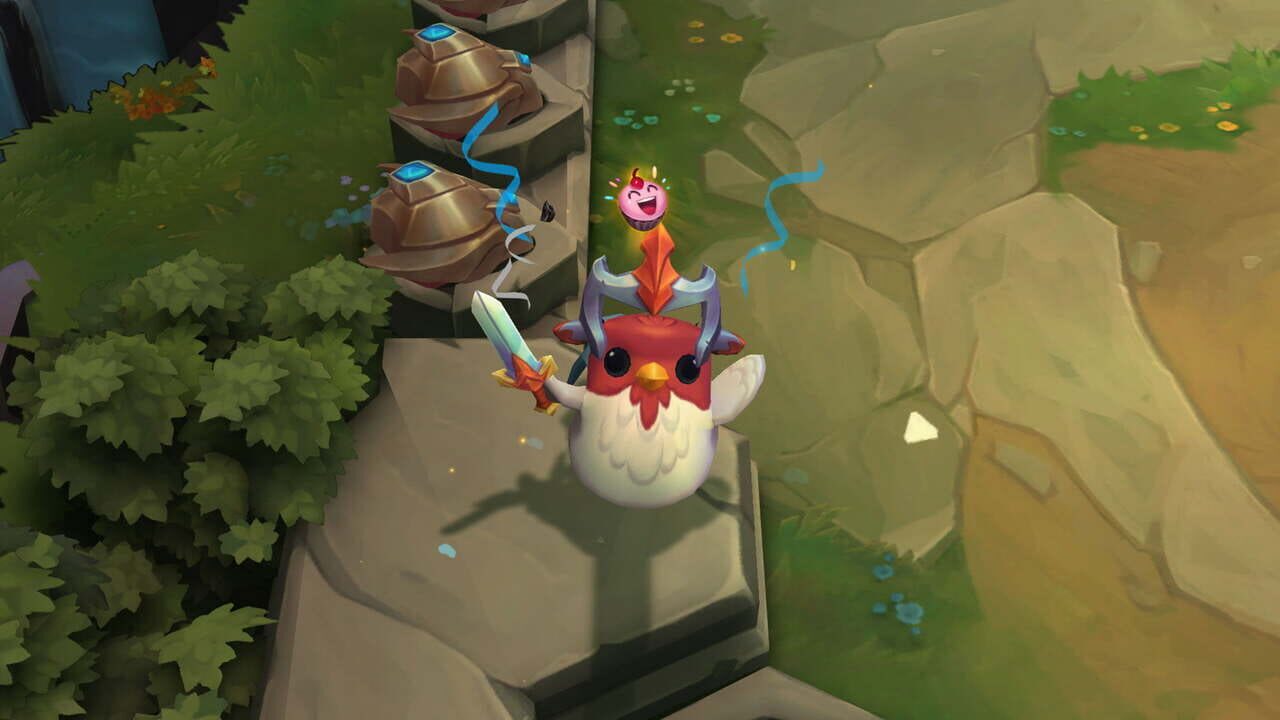
Teamfight Tactics is Riot’s auto-battler, where you build a team of champions, set up the battlefield, and let the fights resolve themselves. It is free to play, available on PC and mobile. The game has regular set rotations, and each set has a new meta. This guide walks you through your first few weeks: learning the economy, understanding the combat, and building your first winning team.
Note: TFT rotates sets regularly. Each set has new champions, new items, and new team compositions. The strategies below are evergreen, but check the in-game set notes and the official site for what is meta this set.
Before you start: know the three pillars
- Economy. You earn gold each round. Spend it wisely.
- Team composition. You build a team of 5 champions. Each has a role and a stat.
- Items. You build items for your champions. Items are the core of the game.
Your first week: learn the economy
- Interest. You earn interest on unspent gold. 10 gold = 1 interest, 20 gold = 2, etc.
- Rolling. You can spend gold to buy champions. The more you roll, the better your champions.
- Saving. If you save gold, you earn interest. A common strategy is to save to 50 gold, then roll.
- Leveling up. You can buy level ups. Higher levels give you more slots and better champions.
The basic loop: earn gold, spend on champions, earn interest, repeat.
Week 2: learn the team composition
- Front row. The champions in the front row take damage first. Put your tanks here.
- Back row. The champions in the back row deal damage. Put your DPS here.
- Synergy. Some champions have bonuses when they are next to each other. Check in-game for the current synergy list.
- Core carry. Every team has a core carry. Build your team around that champion.
By day 21 you should have a team that can win the early game and a backup team for rotation.
Week 3: learn the items
- Core items. Some items are better on some champions than others. Check in-game for the current item list.
- Build order. You build items in a specific order. The order matters.
- Situational items. Some items are better in some situations. Adapt to the game.
The basic item build: 1 core item on each champion, 1-2 extra items on the carry.
Week 4: start the ladder
- Play your best team. If your team is weak, change it before the ladder, not during it.
- Watch replays of your losses. After a bad game, replay it. Most losses are 1-3 mistakes, not bad luck.
- Learn the meta. Each set has a meta. Learn the top 5-10 team compositions.
FAQ
Is Teamfight Tactics free to play?
Yes. You can earn all champions in-game for free. Cosmetics are optional.
What is the best team for beginners?
A balanced team with a strong carry and a solid tank. Check in-game for the current meta.
How fast do you rank up?
Ranking is fast in the early game and slows down as you approach the higher ranks.
Should I spend money?
No. The free-to-play model is designed to be fully playable. Spending money only speeds up the process.
How should I place champions on the board?
Front row takes damage, back row deals damage, middle is the transition. Put your tanks in front, your carries in back, and your flex champions in the middle. Do not stack all your damage in one row.
Which items should I build first?
Build for the carry, not for the team. The carry’s core items come first. Extra items are for when the carry already has their core items. Do not waste items on weak champions.
Should I follow the set notes for item builds?
The set notes are a starting point, not a script. If the enemy team is heavy on magic damage, you want armor items on your front row, not on your carry. Check the board and the enemy teams before you build.
TFT: Lane Priorities for Beginners
In TFT, the “lane” is the board. You have 5 champions placed on the board, and the board is split into front row and back row. The most common beginner mistake is placing champions randomly. Here is how to actually think about the board.
- Front row takes damage first. The two champions in the front row are the ones that get hit. Put your tanks, your shields, and your highest-HP champions in the front row. If your carry is in the front row, they will die before they can do anything.
- Back row deals damage. The two or three champions in the back row are your DPS. Put your carries and your burst champions in the back row. They do not need to tank hits; they need to be alive to deal damage.
- The middle is the transition zone. The middle row is where you put your flex champions. A flex champion is one that can adapt to the game. If the enemy has a strong front row, your flex champion should be in the back. If the enemy has a strong back row, your flex champion should be in the front.
- Do not stack all your damage in one row. If all your DPS is in the back row and the enemy has a dive team, they will all die in one hit. Spread your damage across rows so that if one row dies, the other row is still alive.
- Check the synergy before you place. Some champions get bonuses when they are next to each other. If two of your champions have a synergy bonus, put them next to each other. If they do not, placement does not matter as much.
Check in-game for the current synergy list, the best front-row tanks, and the best back-row carries for the current set.
TFT: Item Build Priority
The item build is the core of TFT. The most common beginner mistake is building items for the champion, not for the team. Here is how to actually build items.
- Build for the carry, not for the team. The carry is the champion who wins the fight. Build their items first. If the carry is dead, the fight is over. The other four champions are less important than the carry.
- Core items before extra items. Every carry has one or two core items. Build the core items first. The extra items are for when the carry already has their core items and you have spare gold.
- Do not waste items on weak champions. If a champion is not scaling, do not put your best items on them. Put their items on the carry. The carry is the one who benefits from the best items.
- Adapt the build to the game, not to the set notes. The set notes say what items are good. The game says what items are actually needed. If the enemy team is heavy on magic damage, you want armor items on your front row, not on your carry. Check the board and the enemy teams before you build.
- Save items if the game is not going your way. If you are not on a win streak, do not spend your items on a bad team. Save them for the rotation. A good rotation with saved items beats a bad team with spent items.
Check in-game for the current set notes, the item drop rates, and the best core items for each carry.
Keep exploring
- Teamfight Tactics on MMOKB — the TFT game hub has the full knowledge base, tools and guides.
- Browse the full library — all MMOKB guides
Reviewed & verified
| Covers | Teamfight Tactics |
| Last verified | November 24, 2026 |
| Accuracy | The game’s own numbers and rules — they change with patches; check in-game for live values. |
Discussion
0 commentsNo comments yet. Be the first!