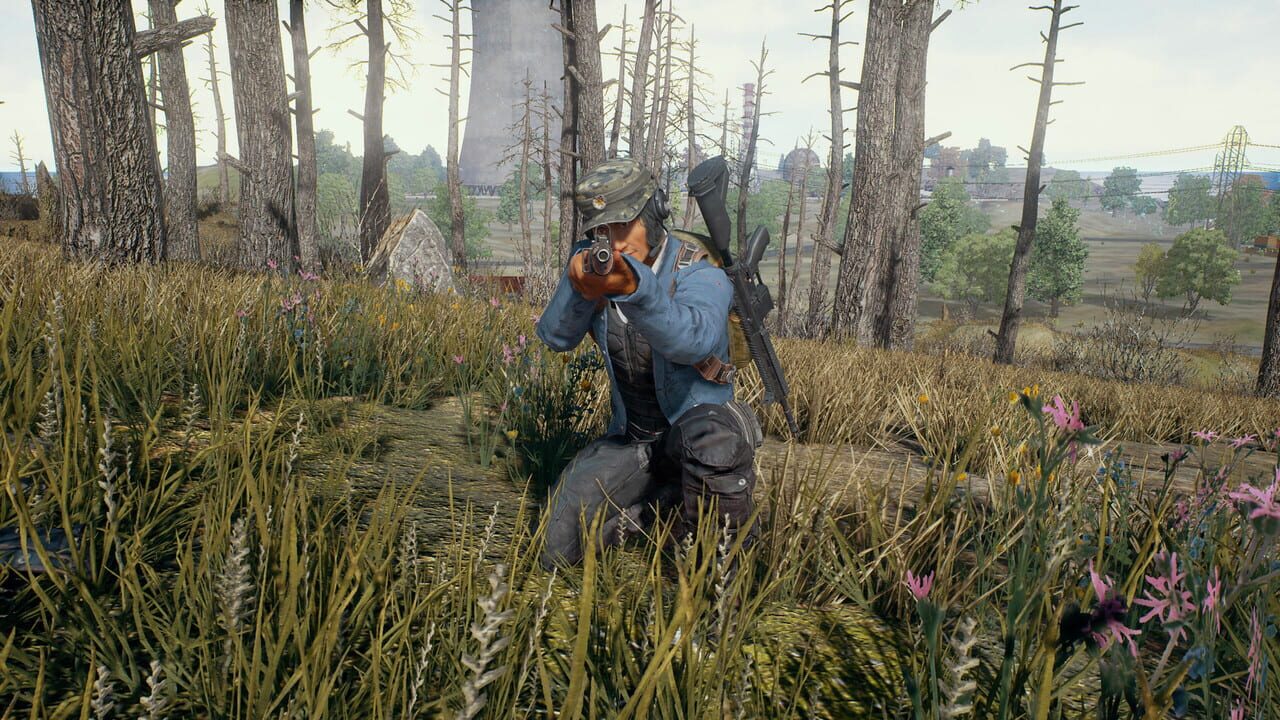
Pubg Rotation Strategy 2026: 8 Steps to Top Finishes
Want to win more circles in pubg-battlegrounds? This guide breaks down rotation strategy from early to late game. Learn zone prediction, micro-route optimization, high-ground control, and alternate pathing to consistently secure top placements.
Core Mechanics
| Mechanic | What It Does | Why It Matters for Rotations |
|---|---|---|
| The Blue Zone | A circular barrier that shrinks over time, dealing escalating damage outside it | Forces movement across the map; determines which routes you must take and which loot spots become reachable or cut off |
| Map Knowledge | Each pubg-battlegrounds map has distinct terrain, building layouts, and rotation paths | Exploration is literally winning rotations — knowing shortcuts, high-ground positions, and safe paths between zone centers |
| Vehicle Rotation | Cars, bikes, UAZs, and boats serve as your primary means of crossing open terrain | Vehicles let you cover ground faster but are loud and can strand you if fuel runs dry mid-rotation |
| Airdrops & Loot Zones | Supply crates parachute in at high-tier locations with better gear | Landing near an airdrop draws enemy fire and concentrates players — great loot, high risk |
| Circle Predictions | The next safe zone is selected from a predetermined map layout with weighted probabilities | Experienced players study circle patterns to pre-rotate early and avoid getting caught mid-crossing |
Honest note: pubg-battlegrounds is a solo/duo/squad battle royale with no dedicated PvP arena mode, no crafting system, no trading floor, and no co-op campaign. Everything here is about surviving against other players in the same lobby.
Step-by-Step: How to Rotate Like a Pro
Step 1 — Pick Your Map and Drop Zone Intentionally
Every pubg-battlegrounds map has a different pacing. Erangel rewards patience and mid-range control. Miramar opens up long sightlines where positioning beats aggression. Sanhok is fast and chaotic — you will rotate constantly. Don’t just hot-drop the first big town you see on the plane path. Look at where the circle might lean and drop closer to that side of the map. Even if you skip loot, being in the right geographic quadrant saves you a long bike ride later when the zone closes.
Step 2 — Learn the Micro-Route System
This is the single biggest exploration skill. Every map has hidden paths — drainage tunnels under roads, single-tile gaps in walls, ridge lines that let you crest without exposing your silhouette, riverbeds that avoid main roads. Spend time in custom matches or free roam just walking the map. Note where vehicles can drive and where they cannot. That impassable cliff might have a switchback trail your squad can hike in under two minutes.
Step 3 — Rotate Early, Rotate Smart
The biggest mistake new players make is waiting until the blue zone pushes them. By then, you’re crossing open ground under fire with your back turned. Instead, rotate while the zone is still wide. Move diagonally toward the next circle’s expected center rather than running straight for the edge. Use buildings and tree cover as stepping stones. If you hear gunfire, use that as audio intel — figure out where the fight is happening and whether you can slip past or should give it a wide berth.
Step 4 — High Ground Is Not Optional
On any pubg-battlegrounds map, elevation wins gunfights. When entering an area, immediately identify the highest point nearby — a hill, a three-story warehouse, a water tower. Even if you don’t engage from there, holding high ground gives you early warning of incoming squads and makes defending easier than attacking uphill. In late circles, this rule becomes non-negotiable. There is no trade-off.
Step 5 — Use the Map Screen Relentlessly
Press M (or your platform equivalent) and study the minimap. Look at road networks, river crossings, and key landmarks. Mark the circle center. Mark potential rotation paths. Mark areas where you think enemies might be pushing from based on the previous zone shape. This isn’t just for navigation — it’s for predicting enemy movement. If the zone is shifting northeast, most squads will rotate the same direction. You can pre-position or ambush them on their route.
Step 6 — Master Alternate Pathing
Once you know the main roads and obvious routes, start finding the weird ones. A boat across a narrow strait instead of driving around it. A motorcycle across a field instead of sticking to the highway. A sprint through a farm complex instead of going around the perimeter. These alternate paths are slower in theory but safer in practice because they avoid traffic and sniper sightlines. Exploring these options during early and mid-game builds the muscle memory you need when the circle forces you into tight unfamiliar terrain.
Step 7 — Late-Game Pattern Recognition
As the circle tightens, exploration becomes less about discovering new areas and more about knowing exactly which tile of ground is safe. Study the transition from medium circles to small ones. Notice how the zone often shrinks toward high-ground clusters. Learn which building clusters appear frequently in late circles — certain towns and ridgelines show up disproportionately often. This is pattern recognition built from playing enough matches to see the map geometry in your sleep.
Step 8 — Post-Match Review
After every match, especially losses, spend thirty seconds reviewing what went wrong rotationally. Did you get caught in the blue? Did a squad flank you because you took a predictable path? Did you miss an opportunity to reposition when you had the advantage? Quick mental notes after each game compound faster than you’d expect. Over fifty matches, that habit alone separates winners from droppers.
Tips
-
Always carry a secondary vehicle if possible. If your car blows a tire or gets pinned by spray, a bike or motorcycle can still get you out of the blue. It’s a small investment for a massive survival upgrade.
-
Listen before you look. Headphones are non-negotiable. Footsteps, vehicle engines, and reload clicks tell you where people are before you ever see them. Spatial awareness beats raw aim in most pubg-battlegrounds engagements.
-
Do not over-loot. Picking up every item slows you down, makes noise, and wastes time you could spend rotating. Take what you need — primary weapon, secondary weapon, armor, meds, a couple of mags — and move. Greedy looters die in the blue more often than poorly equipped survivors.
-
Communicate circle information to your squad. If you’re playing duos or squads, the person reading the map should call out rotation plans clearly. “We’re shifting east, cutting through the olive grove, hold angle on the ridge” is infinitely better than silence.
-
Practice in custom games. Finding the game’s micro-geometry — which walls stop bullets, where knock zones are, how much cover a tire provides — takes repetition. Twenty minutes in a custom lobby builds more instinct than twenty hours of confused random matches.
-
Watch pros for rotation patterns. Official PUBG tournaments give you free education. Watch how top squads rotate under pressure, how they secure high ground in late circles, and when they choose to engage versus reposition. These habits translate directly to your own decision-making in pubg-battlegrounds.
Pubg Battlegrounds Exploration FAQ
| Question | Answer |
|---|---|
| How do I improve my rotation in pubg-battlegrounds? | Rotate early while the zone is still wide. Move diagonally toward the expected circle center and use terrain cover instead of running straight across open ground. |
| What is the best drop strategy for exploration? | Drop closer to where the circle is likely to lean rather than the biggest town on the plane path. Geographic position matters more than loot quality for rotation efficiency. |
Additional FAQ
| Question | Answer |
|---|---|
| What is the best vehicle for rotation? | Keep a motorcycle as a backup — it’s fast, quiet, and can navigate rough terrain that cars cannot. Main car should have full fuel before the zone starts closing. |
| How do I handle late-circle rotations? | Prioritize high ground above all else. Use buildings and natural elevation. Avoid open fields. Pre-rotate before the zone starts shrinking to avoid being caught in the blue. |
| Should I engage or rotate when fighting? | Rotate first if you have low health or poor positioning. Only engage if you have high ground, full gear, and a clean angle. Survival beats kills every match. |
| How important is map knowledge for rotation? | Extremely. Map knowledge is the #1 skill separating good rotators from great ones. Spend time in custom mode learning shortcuts, blind spots, and elevation advantages on every map. |
Related Guides
Reviewed & verified
| Covers | pubg-battlegrounds |
| Last verified | November 4, 2026 |
| Accuracy | The game’s own numbers and rules — they change with patches; check in-game for live values. |
Discussion
0 commentsNo comments yet. Be the first!