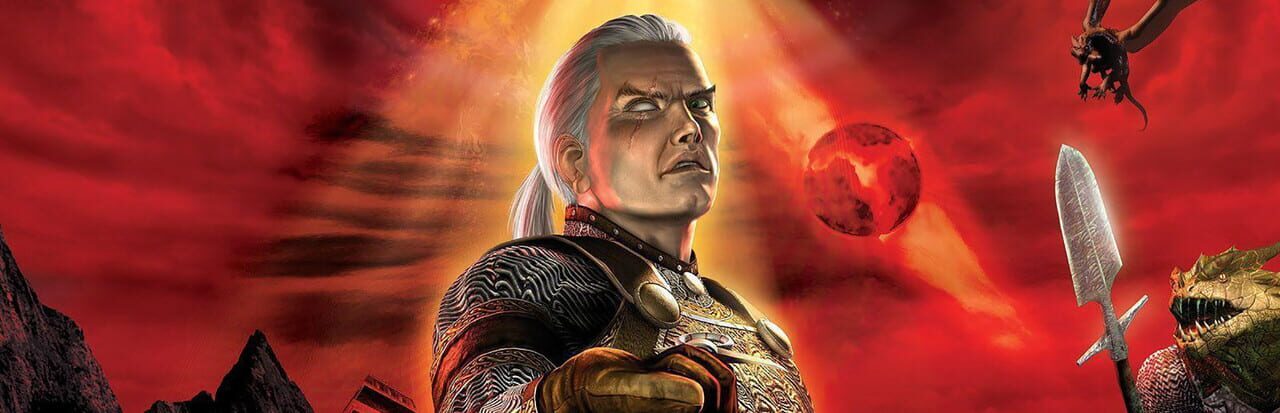
EverQuest II is a classic fantasy MMORPG built around a deep class system, a long-running community, and a progression curve that rewards patience. It has been in development for over two decades, which means the game has a large content library, a stable economy, and a community that has built its own culture around the game. This guide covers the core systems: class selection, the leveling curve, and the guild and endgame content that keeps the game alive in 2026.
Class selection and the archetype system
EverQuest II has a wide class list with distinct archetypes: Tank, DPS (melee and ranged), Healer, and Support. The class choice defines your role in a group and the way you play: a Tank is built around aggro management and survivability, a DPS is built around burst windows and cooldown management, a Healer is built around sustain and healing output, and a Support is built around buffs and utility. As a beginner, pick a role you enjoy and focus on it; the class kit is where the depth lives. You can create multiple characters to try different roles; the class selection is not a permanent lock-in.
The class kit is where the build depth lives: each class has a set of active and passive skills, and the skill choice is where the play style is defined. As a beginner, learn the basic skill combo for your class first; the advanced combos are the optimization layer that comes later. The class selection is not a permanent lock-in: you can create multiple characters and switch between them, so use that to try different roles before committing to a main. The early zones are where the skill system is introduced: the active skills, the passive tree, and the combo system are all taught through the tutorial, so do not skip them.
Leveling and the early game
The early game is the classic MMO structure: the main quest line carries you through the zones, the leveling curve is front-loaded, and the side content is dense enough to keep you busy. As a beginner, focus on the main quest line and the zone quests; the travel speed and the quest pacing are designed for a steady progression. The early zones have low-difficulty content that can be cleared solo, and the group content opens up as you level. Check in-game for the current level cap, as the developer has adjusted the cap with each expansion over the years.
The early zones are designed for a steady progression: the quest pacing is slow, the travel distance is long, and the level rewards are meaningful enough that you feel progress every time you level up. Do not get stuck on a low-level zone: the game is not a grind game, and if a zone feels slow, move to the next one. The level cap is the point where the game shifts to endgame content, and the endgame unlock is the main transition point from leveling to endgame play. The daily content is where the F2P economy shows its value: the daily rewards, the event content, and the dungeon drops are the main sources of progression materials, and the daily login rewards are the most efficient use of your time in the early game.
Group content and dungeons
EverQuest II’s group content is the main progression path: dungeons and group quests that require a team of four to five. As a beginner, join the in-game group finder or post in world chat rather than random-joining high-level lobbies. The dungeon mechanics are the core of the mid-game: bosses use positional mechanics, timed adds, and phase transitions, and the wipe penalty is short enough that you can learn by dying. Focus on learning the boss patterns; the group content is where the community lives and the guild system is where the social structure is built.
Guilds and endgame
Joining a guild early gives you access to guild quests, shared buffs, and a faster path through the mid-game content. The endgame content is built around high-level dungeons, PvP modes, and world events. The guild is also your source of information: who is running what, what the current meta is, and how to get help with a specific boss. Check in-game for the current endgame content availability and the guild requirements, as the developer updates the endgame roadmap with each expansion.
PvP and competitive modes
EverQuest II has a PvP system built around faction conflict and ranked ladders. The PvP modes are shorter than the group content and reward mechanical skill over gear. As a beginner, treat PvP as a skill check: the timing and positioning systems mean an undergeared player with good fundamentals can outplay a higher-level one in short matches. Check in-game for the current PvP mode availability and the ranked reward structure.
F2P economy and spending
EverQuest II has evolved from a subscription model to a free-to-play model over the years. The free progression path is complete: every meaningful piece of gear is accessible without spending. Spending is optional and focused on convenience items, cosmetic content, and faster material acquisition. The daily rewards and the event content are the main sources of progression materials for free players. Check in-game for the current F2P reward structure and the event schedule, as the developer rotates the events with each season.
FAQ
Is EverQuest II still active in 2026?
Yes. EverQuest II has a dedicated community and continues to receive updates. Check in-game for the current expansion content and the event schedule to confirm the latest additions. The free-to-play model means the game is accessible without a subscription. The game has been in development for over two decades, which means the content library is large, the economy is stable, and the community has built its own culture around the game. The expansion content is the main long-term draw, and the event schedule is the main competitive framework.
What is the best class for a beginner in EverQuest II?
A Tank or a Healer is the most forgiving for new players because their roles are more about understanding the group mechanics than about raw damage output. A DPS class rewards practice but clears solo content faster once you are comfortable. Create a second character if your first pick does not feel right; the class selection is not a permanent lock-in. The class kit is where the build depth lives: each class has a set of active and passive skills, and the skill choice is where the play style is defined. As a beginner, start with a single class and focus on it; the multi-class system is the optimization layer that comes later.
Do I need to spend money to progress in EverQuest II?
No. All core content, classes, and endgame systems are accessible for free. Spending is optional and focused on convenience items, cosmetic content, and faster material acquisition. The daily and event free content covers the majority of meaningful progression. The F2P economy is built around consistency: the daily rewards, the event content, and the dungeon drops are the main sources of progression materials, and the daily login rewards are the most efficient use of your time in the early game.
What are the main endgame systems in EverQuest II?
The main endgame systems are high-level dungeons (group content with boss mechanics), PvP modes (ranked and casual), and world events (the faction conflict and the seasonal events). The high-level dungeons are where the community lives: the guild system, the group queues, and the boss mechanics are the main social structure. The PvP modes are where the competitive community lives, and the world events are the long-term draw. Check in-game for the current endgame content availability and the guild requirements, as the developer updates the endgame roadmap with each expansion.
Keep exploring
- EverQuest II on MMOKB — the EverQuest II game hub has the full knowledge base, tools and guides.
- Browse the full library — all MMOKB guides
Reviewed & verified
| Covers | EverQuest II |
| Last verified | November 24, 2026 |
| Accuracy | The game’s own numbers and rules — they change with patches; check in-game for live values. |
Discussion
0 commentsNo comments yet. Be the first!