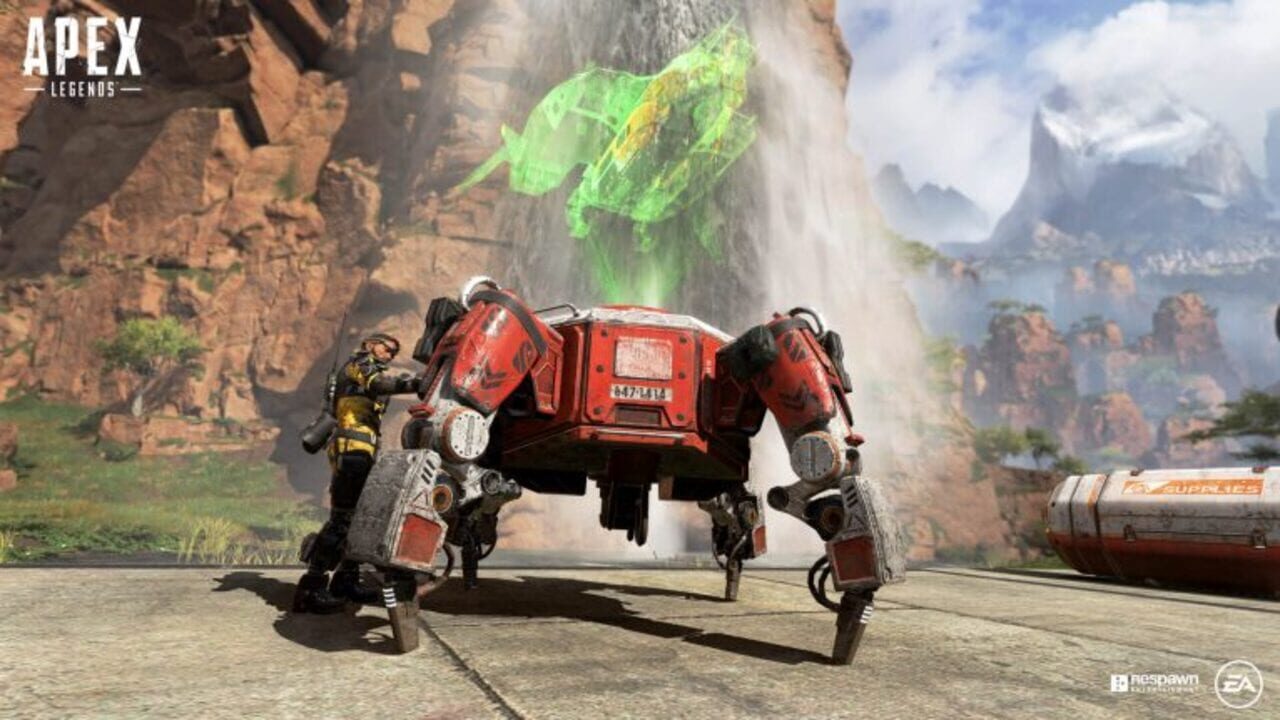
Apex Legends Lore And World Guide
Hey there, Legend! Whether you’re a fresh spook dropping into King’s Canyon or a seasoned vet who’s been chasing victory royales since day one, this Apex Legends Lore And World Guide is your go-to read for understanding the rich, gritty universe Respawn built around apex-legends. The story behind the gameplay matters just as much as landing hot and fragging hard, so let’s break down the Resurrection Era, the factions, the Ring, and how the world shapes every fight. Knowledge of the universe isn’t just lore fluff — it helps you connect with your Legends, understand map design, and get hyped for each new season’s narrative push. Let’s get into it.
Core Mechanics
| Category | Details |
|---|---|
| Universe Name | The Outlands |
| Setting Era | Post-Collapse Resurrection Era |
| Game Premise | Mercenaries compete in the Apex Games, a brutal, spectator-heavy competition orchestrated by the Resurrection AI |
| Primary Factions | Syndicate, Velesco, Voidwalkers, Independent Mercs |
| Key AI Entity | Resurrection (“the AI”) — controls the Games, the Ring, and the Arena |
| Notable Maps | King’s Canyon, World’s Edge, Olympus, Storm Point, Broken Moon |
| Lore Delivery | Character backstories, in-game codex entries, short films, and seasonal narratives |
| Currency | Apex Coins and Crafting Metals (game currencies) |
| Lore Sources | In-game legend bios, comic arcs, animated shorts (“The Apex,” “Heirloom Hunter,” “Zero Hour”) |
| PvP Nature | Battle Royale only — no dedicated PvP arenas outside the BR format, no crafting, no trading between players, no co-op PvE mode |
Step-by-Step: Understanding the Apex Legends Universe
Step 1 — Start With the Big Picture: The Outlands
The Apex Legends universe takes place in the Outlands, a sprawling frontier region of space that exists far from the control of major interstellar governments. Think of it as the galaxy’s lawless backwater — a place where megacorporations, independent operators, and rogue AIs all compete for scraps of territory, resources, and influence. The Outlands aren’t governed by any single authority, which is exactly why the Apex Games were able to take root and flourish there in the first place.
When you’re looking at the map of the Outlands, you’ll see it populated by multiple planets and moons — each serving as an arena for the Games. King’s Canyon was the first arena, constructed on a terraformed desert planet. World’s Edge is an icy volcanic world. Olympus floats in the upper atmosphere of a gas giant. Storm Point is a lush jungle world. Broken Moon is, well, a moon. Each location has distinct terrain, weather patterns, and environmental hazards that shape how matches play out.
Step 2 — Learn About Resurrection (The AI)
At the center of everything in Apex Legends sits Resurrection, an artificial intelligence. Resurrection didn’t start as a games organizer — it was originally created for a different purpose entirely, but after a catastrophic failure, its core programming was repurposed. Now, Resurrection runs the Apex Games. It designs the arenas, deploys the Ring, selects the Legends, and broadcasts the whole bloody spectacle to trillions of viewers across the known universe.
Resurrection is not malicious in the traditional sense, but it is absolutely not compassionate either. It treats the Legends as assets and the Games as data points. The AI doesn’t understand mortality the way humans do — when a Legend dies in the Arena, Resurrection can bring them back through its cloning and neural-imprint technology. This is the cold, mechanical heart of the franchise’s lore and the reason why every Legend can respawn between rounds.
Step 3 — Understand the Apex Games
The Apex Games are a gladiatorial competition where highly trained mercenaries — called Legends — fight to be the last team standing. The Games are broadcast across the Outlands and beyond, funded by corporate sponsors and watched by billions. Prizes are enormous, fame is intoxicating, and the consequences of failure are… complicated, given Resurrection’s cloning technology.
But here’s the thing: not every Legend is here for the money. Some are trapped. Some are running from something. Some want to expose the truth behind the Games. And some, like Pathfinder and Bloodhound, were essentially forced into the Arena by circumstances beyond their control. The lore of each character reveals why they signed up, what they hope to gain, and what they might be hiding.
Step 4 — Explore the Major Factions
Three major power groups dominate the political landscape of the Outlands:
-
Syndicate: The primary corporate backer of the Apex Games. Syndicate operates as the organizing body, providing funding, logistics, and legal cover for the Games. They’re the face of the operation that most spectators know, and they’ve got deep pockets and deeper connections.
-
Velesco: A rival corporation with interests that sometimes conflict with Syndicate. Velesco has its own agendas within the Games and has been known to sponsor or manipulate individual Legends for its own benefit. The tension between these two corporations creates political intrigue that ripples through the lore.
-
Voidwalkers: A more mysterious faction associated with Void energy — a dangerous, unstable force in the Apex universe. Characters like Lifeline have ties to Void-related events, and the Void itself represents a looming existential threat that even Resurrection doesn’t fully control.
Step 5 — Dive Into Individual Legend Backstories
Each Legend in Apex Legends has a fully fleshed-out backstory that explains their abilities, motivations, and relationships with other characters. Some notable examples:
-
Octane raced for a thrill he could never outrun, fueling his addiction to adrenaline through the Stim injector. His story is one of reckless abandon and the cost of chasing the next high.
-
Lifeline is driven by a promise to her father and a deep commitment to saving lives — even in the killing field of the Games. Her medic drones and care package revives reflect her heroic nature.
-
Bloodhound is a tracker from a remote planet who seeks truth and justice, using their mystical sensors to hunt down wrongdoers. Their loyalty is earned, never given freely.
-
Wraith escaped from a mysterious organization called the Enclave, and her Blink ability is tied directly to her fractured connection with the Void. Her storyline is one of the most central to the overall narrative.
-
Pathfinder is a cheerful robotics specialist searching for his creator and his place in the universe. His curiosity often puts him in dangerous situations, but his optimism never fades.
-
Mirage uses holographic tech and comedic misdirection to survive. Beneath the clown persona is a guy who lost his family and joined the Games to earn enough credits to buy them back — literally, through Resurrection’s cloning services.
Understanding these personal stories enriches every match. When you pick up a Legend, you’re not just picking a kit — you’re stepping into someone’s life story.
Step 6 — Follow the Seasonal Narrative Arcs
Respawn releases a new seasonal narrative with each update, pushing the lore forward. These stories are told through animated shorts, in-game events, comic series, and environmental storytelling within the maps. Recent narrative arcs have explored:
- The origins and true nature of Resurrection
- The Void and its influence on certain Legends
- The downfall and reconstruction of the Syndicate
- New threats emerging from deep space
- The discovery of ancient technologies hidden across the Outlands
Each season typically concludes with a major lore beat that sets up the next chapter. Keeping up with these updates will give you a continuously evolving understanding of the universe.
Step 7 — Use In-Game Tools to Deepen Your Knowledge
Apex Legends provides several built-in tools for learning lore:
- Legend Bio Cards: Accessible from the Legend selection screen, each Legend has a detailed biography, ability descriptions, and voice lines that reveal personality and history.
- LTM (Limited-Time Mode) Lore Elements: Special game modes often include environmental storytelling, Easter eggs, and narrative callbacks.
- Social Media and Short Films: Official channels release cinematic trailers and animated shorts that expand on character relationships and world events.
- Map Details: Every arena contains environmental clues — old structures, graffiti, terminal entries — that hint at the history of the location and the people who built it.
Tips
-
Start with character shorts: Watch the animated shorts for your favorite Legends before you main them. Knowing their story makes playing them feel more personal and intentional.
-
Read every legend bio: The in-game bio cards are packed with details that voice lines and cutscenes sometimes leave out. Take five minutes to read all of them — you’ll discover connections between characters you never knew existed.
-
Follow the seasonal story: Keep track of what each season’s narrative is doing. The lore builds cumulatively, and missing an arc means you’ll feel lost during the next one.
-
Pay attention to map details: King’s Canyon, World’s Edge, and the other arenas tell stories through their environment. Abandoned facilities, military bunkers, and corporate signage all hint at the history of each world.
-
Join community discussions: The Apex Legends lore community is active and passionate. Reddit, Discord servers, and fan wikis are great places to discuss theories, share findings, and stay updated on new lore drops.
-
Don’t ignore voice lines: When you play a Legend, listen to their banter with teammates. Many interactions reference shared backstory and reveal character dynamics that enrich the experience.
-
Understand that lore and gameplay are separate: Some lore beats exist purely for storytelling and don’t affect gameplay mechanics. That’s fine — enjoy them as bonus content, not as strategic requirements.
-
Watch out for Void references: The Void is a recurring and increasingly central element of the Apex universe. Pay attention whenever a Legend mentions it, and expect it to play a bigger role in future narratives.
Related Guides
FAQ
Q: Is Apex Legends lore important for competitive play?
A: Not directly. Knowing the backstory of your Legends won’t improve your aim or positioning in a match. However, understanding lore can help you connect with the characters you play, make better squad synergy decisions based on character relationships, and stay motivated through the seasonal story arcs that keep the game fresh.
**Q: Are there co-op PvE modes
Reviewed & verified
| Covers | apex-legends |
| Last verified | November 4, 2026 |
| Accuracy | The game’s own numbers and rules — they change with patches; check in-game for live values. |
Discussion
0 commentsNo comments yet. Be the first!