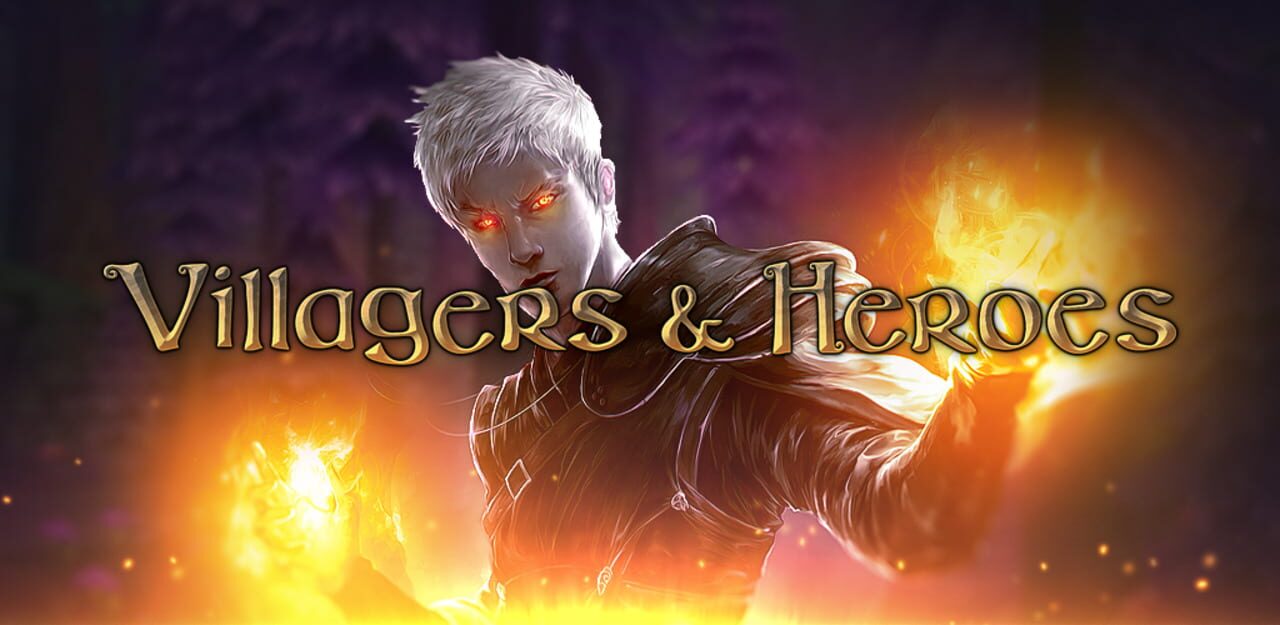
Villages are Villagers and Heroes’ primary guild and community system. Joining or founding a village gives you access to shared crafting buildings, contribution-based rewards, village-wide buffs, and a cooperative progression path that individual play cannot match. This guide covers everything you need to know about getting the most from village life.
Note: Verified as of July 2026. Check official patch notes for updates.
About Villagers and Heroes
Villagers and Heroes is a free-to-play MMORPG developed by Gamelab. The game blends creature collection, home-building, resource gathering, questing, and social village play into a single persistent world. Players earn gold and materials by completing quests, battling mobs, and working tradeskills. The village system sits at the heart of the social and cooperative loop, letting players pool resources toward shared goals.
Key confirmed features:
- Cooperative (co-op) gameplay with friends
- Shared village buildings and contribution systems
- Tradeskill crafting including alchemy, smithing, tailoring, and more
- Creature collecting and taming
- Player homesteads for personal building
- No PvP arenas or player-vs-player combat modes
What Are Villages?
Villages in Villagers and Heroes function as player-run guilds or communal towns. Each village is a persistent shared space that members contribute to and benefit from together. As the village levels up through collective contributions, it unlocks better buildings, exclusive crafting stations, and village-wide buffs that apply to all members while they are in the village zone.
Key characteristics:
- Shared crafting buildings — high-level crafting stations that exceed what individual homesteads can offer
- Village contributions — members donate materials to earn Village Tokens and advance the village level
- Village-wide buffs — bonuses active for all members within the village area
- Specialized member roles — different ranks with different permissions
- Village Store — a shop stocked by the village treasurer using contributed tokens
Joining a Village
To join a village:
- Find an active village through the in-game Village List or community channels like Discord or forums
- Apply or receive an invitation — some villages are open for anyone to join, others require an existing member to invite you
- Accept the invitation from your notification panel
- Start contributing immediately — you can use shared buildings and submit contributions as soon as you are accepted
What to look for in a village:
- Activity level — a village with members who log in regularly contributes more and advances faster. Check when members were last active.
- Village level — higher-level villages have better buildings and more benefits. Joining an established village is faster for newcomers than starting from scratch.
- Village focus — some villages lean crafting-heavy, others focus on cooperative monster hunting. Find one that matches your playstyle.
- Leadership communication — active village leaders who communicate goals and organize contributions create a much better experience.
Village Ranks and Roles
Villages use a rank hierarchy to manage permissions:
Mayor (Leader): The founder or designated leader. Can set village rules, manage buildings, upgrade the village, and kick members. Full administrative access.
Deputy Mayor / Elder: Senior trusted members who can invite and kick lower-rank members, manage village contributions, and oversee store stock.
Officer / Veteran: Mid-level trusted members who may have contribution management permissions and help organize group events.
Member: Standard rank with access to shared buildings and contribution mechanics. No administrative permissions.
Recruit / New Member: Starting rank. Full access to village benefits but may have limited permissions during a short trial period.
How to advance: Demonstrate consistent contribution, help other members, and communicate with village leadership. Most villages promote based on activity and contribution level rather than tenure alone.
Village Buildings: What They Do
As a village levels up, it unlocks new buildings that provide crafting and economic benefits:
Crafting Workshops — Shared crafting stations that exceed individual homestead quality. Higher-level workshops unlock high-tier gear, consumables, and materials that you cannot craft on your own homestead.
Market Stall — Allows village members to sell items to each other, often with reduced or no fees compared to open-market transactions.
Resource Depot — A shared storage space for raw materials that any member can deposit into or collect from. Useful for coordinating material sharing between different tradeskill specialists.
Village Hall — The central building where contribution requests are posted and Village Tokens are distributed. Check this regularly — it is the engine of village progression.
Laboratory / Alchemy Station — High-tier shared alchemy crafting for potions and reagents not available at personal workbenches.
Smithy — High-tier shared smithing for advanced weapons and armor.
Buildings are constructed through the Village Hall build queue using materials contributed by the whole village.
Village Contributions: How They Work
The Village Hall posts a rotating list of material requests. Players fulfill requests by depositing the required materials through the Hall interface. Each completed request awards:
- Village Tokens — the primary village currency spent at the Village Store
- Village Experience — contributes directly to overall village level advancement
- Personal contribution score — tracks your total contribution for ranking and recognition purposes
Best contribution strategy:
- Check the Village Hall at the start of every play session
- Prioritize high-value requests that align with what you are already producing
- Complete as many requests as your materials allow before logging off
- Do not hoard materials waiting for “better” requests — filling consistent lower-value requests accumulates more total Village XP over time than chasing rare drops
Village Store: What to Spend Tokens On
Village Tokens are spent at the Village Store on items exclusive to village membership:
Priority purchases:
- Crafting recipes — village-exclusive recipes for high-tier gear and consumables
- Rare materials — materials that are difficult to obtain through normal gameplay
- Equipment upgrades — gear that enhances gathering, crafting, or combat efficiency
- Homestead items — exclusive decorations and structures for your personal home
Avoid spending early tokens on cosmetics. Functional progression items should always come first. You can always buy decorative items later once your important unlocks are secured.
Benefits of Being in a High-Level Village
A well-established high-level village provides:
- Shared crafting access that far exceeds what any individual homestead can achieve
- Regular contribution rewards from an active member base filling requests daily
- Village-wide buffs active whenever you are in the village zone
- Social economy — trading among village members is often faster and cheaper than open-market interactions
- Cooperative group content — organized village events and group hunts against tougher enemies
Starting Your Own Village
If you want to found a village instead of joining one:
- Reach the required player level for village founding (check current in-game requirements)
- Purchase a village plot using gold or founding materials
- Place the Village Hall structure to officially establish the village
- Recruit members — this is typically the hardest part
Challenges of founding a new village:
- Starting from level 1 means limited buildings and minimal benefits at first
- Recruiting members to a brand-new village is significantly harder than joining an established one
- It can take weeks or months to reach a level where the village provides competitive advantages
When to found vs. join: Join an established village unless you have a specific group of players ready to build together. For solo or small-group players, joining a larger active village is almost always the faster path to meaningful progression.
Common Mistakes
Joining an inactive village — a village with members who have not logged in for months provides no real benefit. Check activity levels before committing.
Ignoring the Village Hall — contribution requests rotate and have time limits. If you do not check regularly, you will miss Token income and slow the village down.
Spending Village Tokens on cosmetics too early — functional progression unlocks should always take priority over decorative items.
Hoarding materials — waiting for the perfect contribution request wastes time. Consistent small contributions add up faster than sporadic large ones.
Joining without checking the village focus — a combat-oriented village may not suit a pure crafter, and vice versa. Make sure the village culture matches your goals.
Tips for New Village Members
- Be consistent — regular contributions matter more than occasional big donations
- Communicate with leadership — let the Mayor or Officers know what tradeskills you specialize in so they can assign you relevant requests
- Visit the village zone daily — even if you cannot contribute materials, staying in the village zone keeps buffs active
- Check the Village Store weekly — new stock often rotates in, and rare items can disappear quickly
- Help new members — experienced villagers who mentor newcomers strengthen the whole village and often earn promotion faster
FAQ
| Question | Answer |
|---|---|
| How do I join a village in Villagers and Heroes? | Open the Village List in-game, find an active village, and apply or accept an invitation from a member. |
| Can I play Villagers and Heroes solo without a village? | Yes. Solo play is fully supported, but villages provide significant progression advantages through shared buildings and buffs. |
| What are Village Tokens used for? | Village Tokens are spent at the Village Store on exclusive recipes, rare materials, equipment upgrades, and homestead items. |
| Is PvP available in Villagers and Heroes? | No. Villagers and Heroes does not feature PvP arenas or player-vs-player combat. The game focuses on cooperative PvE gameplay. |
Follow this guide to join or build a village that accelerates your progress in Villagers and Heroes. Focus on consistent contributions, smart token spending, and staying active in your village zone to maximize every benefit the system offers.
Discussion
0 commentsNo comments yet. Be the first!