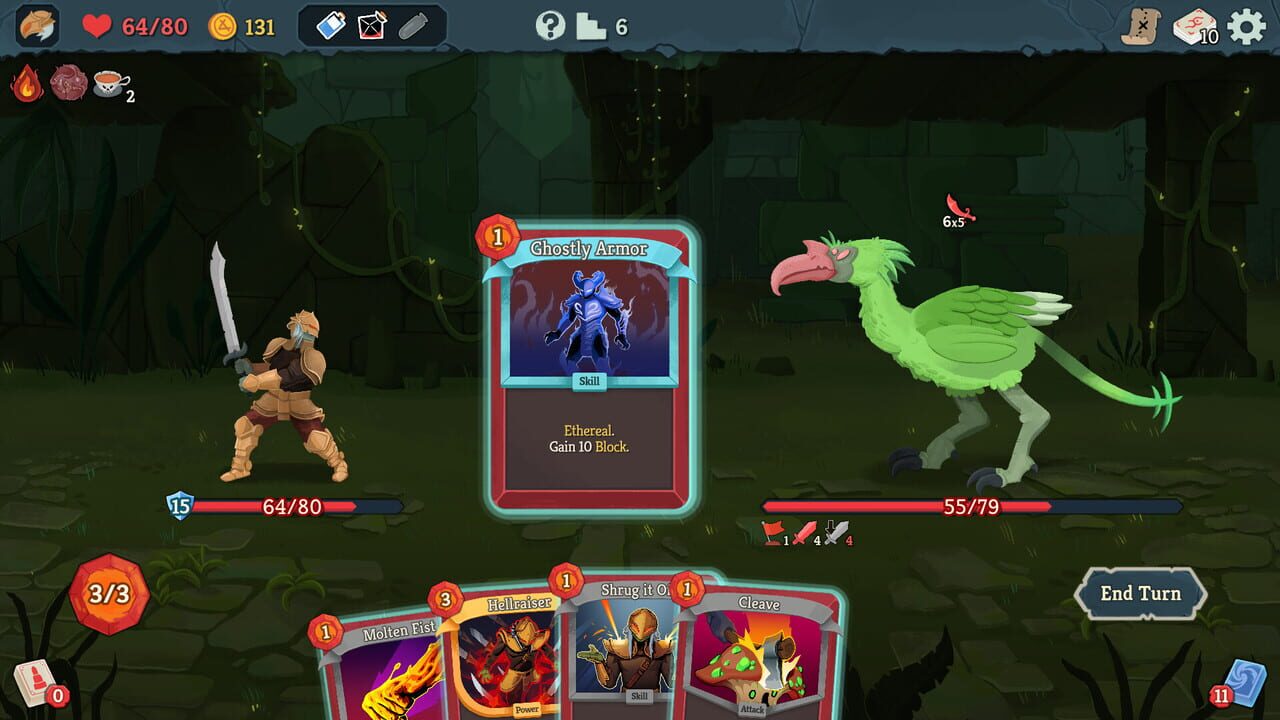
Slay the Spire 2 hit Early Access in 2026 and immediately pulled 50,000+ concurrent players — the sequel to the game that defined the roguelike deckbuilder genre. New characters, new mechanics, the same brutal ascent. This guide covers what changes, what stays, and how to actually win your first runs.
Note: Slay the Spire 2 is in Early Access — balance shifts patch to patch. Principles here outlast the numbers.
What’s New in Spire 2
- New playable characters beyond the original four (Ironclad, Silent, Defect, Watcher), each with mechanically distinct card pools
- New mechanics — the sequel layers additional systems onto the classic energy/card-draw loop; expect run-modifying mechanics that make each climb structurally different
- More branching — map paths, events, and shop inventories are broader, rewarding adaptability over memorized routes
- Same core loop — pick a character, climb three acts, build a deck from card rewards, defeat elites for relics, die horribly or ascend
Which Character Should You Start With?
The straightforward pick first. In the original Spire, Ironclad was the beginner recommendation for a reason: self-healing, forgiving card pool, direct damage. Whatever the Spire 2 equivalent is — the simple, self-sustaining starter — play 10 runs with them before touching the technical classes. Learn the game with a blunt instrument.
Save for later: characters built around intricate combos, token management, or stance/positioning systems punish new players with death spirals that teach the wrong lessons.
Core Deckbuilding Rules (The Ones That Win Runs)
- A small deck beats a big deck — every card you add dilutes your draws. Take the “Skip” option on card rewards constantly. A 25-card deck that always draws its best cards demolishes a 40-card pile of maybes
- Removal is progression — Strike/Defend starter cards are dead weight by Act 2. Prioritize card removal events and shops. This is the #1 habit separating winners from losers
- Solve your frontline before your endgame — Act 1 elites punish decks with no early tempo. Take early damage cards before combo pieces
- AOE matters more than single-target — hallway fights come in threes. Two good AOE cards carry entire acts
- Block is damage — the decks that reach the Act 3 boss are the ones that took defense cards early, not the ones that tried to kill everything by turn 3
- Synergy needs density — don’t take one card from a combo archetype; commit or skip. Three synergy cards = engine. One = a dead draw
Relic Priorities
- Energy relics (extra energy per turn) are almost always correct, even with drawback
- Draw relics — more cards = more options = fewer dead turns
- Boss relics at Act transitions are your power spikes — evaluate the drawback against your deck’s actual weakness, not abstractly
- Shop-bought relics before Act 2 elites often decide whether you survive the run
Act-by-Act Strategy
Act 1: Take card rewards greedily (you need a deck), hit 1–2 elites once your deck has any direction, path for maximum gold if your HP is healthy.
Act 2: The difficulty spike. Removal and defense purchases dominate here. Only fight elites with a deck that has solved both AOE and single-target.
Act 3: Everything is about scaling — decks that “go infinite” or stack multi-turn power effects beat the Act 3 bosses. If your deck has no scaling plan by now, pray.
Common Run-Killing Mistakes
- Taking every card reward — the Skip button exists. Use it more than feels comfortable
- Ignoring HP as a resource — sometimes taking 15 damage to secure a relic is correct; taking 15 damage per hallway for nothing is how runs end
- Chasing one archetype past the point of no return — if your poison deck keeps getting offered frost cards, adapt instead of forcing
- Skipping shops — gold with no shop visit is wasted gold
- Fighting every elite — elite fights are investments, not obligations. A battered deck that dies to the next hallway lost you the run
Is Slay the Spire 2 Worth It in Early Access?
If you loved the original — yes, unambiguously. It’s the same perfect loop with enough new material for 100+ hours already. If you’re new to the genre, either game works as an entry point; Spire 2 is the one that will get the long-tail content. Early Access pricing is lower than 1.0 will be.
FAQ
Is Slay the Spire 2 out? Yes — Early Access since 2026, very popular (50k+ concurrent players). Full release date TBA.
Is Slay the Spire 2 on Game Pass or free? No — it’s a paid Steam title. Early Access price is lower than the planned 1.0 price.
Do I need to play the first Slay the Spire? No — Spire 2 is standalone. But the original is cheaper and a complete game; both are worth owning.
Which character is best for beginners in Slay the Spire 2? Whichever starter plays most like a straightforward damage-and-block character (the Ironclad archetype). Save combo-heavy classes until you’ve won a few runs.
How long is a run in Slay the Spire 2? 45–90 minutes depending on pace. Deaths are part of the loop — most players lose their first 5–10 runs.
Does Slay the Spire 2 have multiplayer? The original was single-player; check current patch notes for the sequel’s co-op status, which has been a feature request since announcement.
Discussion
0 commentsNo comments yet. Be the first!