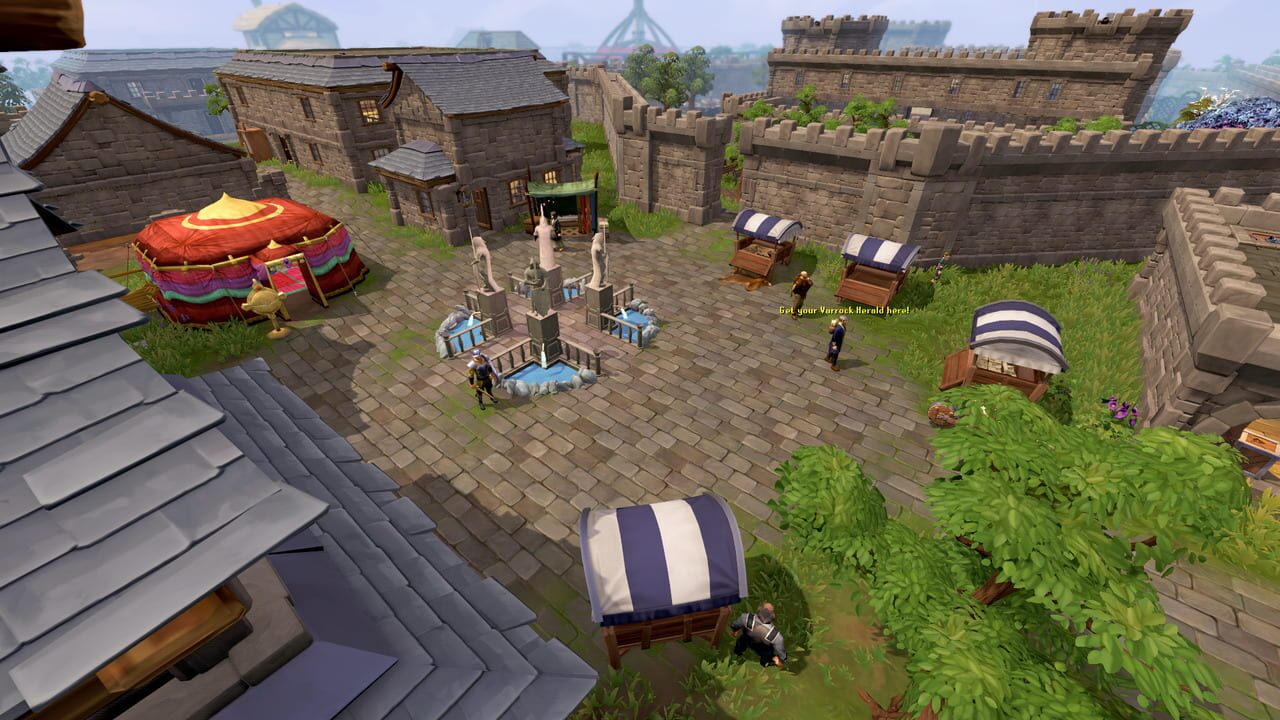
RuneScape is one of the longest-running MMOs in gaming history, with over 20 years of continuous development. In 2026, the game offers two distinct versions: Old School RuneScape (OSRS), which preserves the 2007-era gameplay, and RuneScape 3 (RS3), which features modern graphics and updated mechanics. This guide covers everything you need to know to get started.
Choosing Between OSRS and RS3
The first decision every new player faces is which version to play. Both are free-to-play with optional membership, but they offer very different experiences.
Old School RuneScape (OSRS) is the nostalgic choice. It features the classic 2007 graphics, slower progression, and a more challenging gameplay loop. The community is massive and the game has a strong player-driven economy. OSRS is ideal if you enjoy grinding, player-vs-player combat, and a more traditional MMO feel.
RuneScape 3 (RS3) offers modern quality-of-life features, updated graphics, and more complex combat systems. It has a wider variety of content types, including boss fights, raids, and more streamlined progression. RS3 is better if you prefer a more polished experience with less time investment.
Both versions share the same account system, but your progress is separate. You can switch between them freely.
Getting Started: Tutorial Island
Both versions begin on Tutorial Island, a guided introduction to the game’s core mechanics. The tutorial covers:
- Movement - Click-to-move navigation
- Combat - Basic attack styles and equipment
- Skills - Introduction to the skill system
- Quests - How to accept and complete quests
- Inventory - Managing your items and equipment
- Trading - Interacting with other players
The tutorial takes about 15-20 minutes and teaches you the fundamentals. Don’t rush through it - the information is genuinely useful for understanding the game’s systems.
Essential Early Skills
RuneScape features 29 skills (OSRS) or 30 skills (RS3). As a beginner, focus on these first:
Combat Skills
- Attack - Determines which weapons you can wield
- Strength - Increases melee damage output
- Defense - Reduces damage taken and unlocks armor
- Constitution (HP) - Your health pool
Start by training Attack to level 20-30, then focus on Strength and Defense. This unlocks better weapons and armor for early content.
Gathering Skills
- Mining - Essential for smithing and earning money
- Fishing - Good early money-maker and cooking prerequisite
- Woodcutting - Supplies for fletching and firemaking
- Farming - Long-term investment that grows over time
Production Skills
- Smithing - Create weapons and armor from mined ores
- Cooking - Convert fish and raw food into useful items
- Crafting - Make jewelry, leather armor, and other items
- Fletching - Create bows and arrows for ranged combat
Making Money as a Beginner
Money is crucial in RuneScape for buying equipment, supplies, and membership. Here are the best early money-makers:
Free-to-Play Methods
-
Cows - Kill cows in Lumbridge for cowhides. Each cowhide sells for about 100-200 gold on the Grand Exchange. This is simple, consistent income.
-
Mining Iron Ore - Mine iron ore in the mining guild or near Al Kharid. Iron ore sells for 200-300 gold each. You’ll need level 15 Mining.
-
Collecting Snape Grass - Collect snape grass on Waterbirth Island. Each snape grass sells for 500-800 gold. Requires some quest completion.
-
Casting High Alchemy - Once you reach level 55 Magic, you can cast High Alchemy to convert items to gold. This is profitable with the right items.
Members Methods
Members have access to significantly better money-making:
-
Killing Green Dragons - Safe-spot green dragons in the Wilderness for dragon bones and green dragonhide. Very profitable.
-
Runecrafting - Create runes from essence. Nature runes and death runes are consistently profitable.
-
Barrows - Complete the Barrows minigame for a chance at Barrows equipment. Good mid-level money-maker.
-
Herblore - Clean herbs for profit. Requires some capital to start but scales well.
Why Quests Matter
Quests are not just filler content in RuneScape - they unlock essential features, areas, and abilities. Some key early quests:
- Cook’s Assistant - Easy introductory quest
- Romeo & Juliet - Simple quest that teaches quest mechanics
- Sheep Shearer - Easy money-maker quest
- The Restless Ghost - Unlocks Prayer skill training
- Rune Mysteries - Essential for Runecrafting
- Waterfall Quest - Huge combat XP reward
- The Grand Tree - Unlocks gnome transportation
Complete quests regularly - they provide XP, access to new areas, and often unlock shortcuts that make the game much more enjoyable.
Social Features
RuneScape thrives on its community. Here’s how to get involved:
Clans
Joining a clan provides access to clan chat, events, and experienced players who can help you progress. Look for clans in the clan recruitment forums or in-game.
Friends List
Add other players to your friends list to stay connected. You can message them across both OSRS and RS3.
Trading
The Grand Exchange is RuneScape’s marketplace. Buy and sell items at set prices without needing to find a buyer directly. This is essential for progression.
Group Content
As you progress, you’ll unlock group dungeons, boss fights, and minigames. Finding a group is easier with a clan or friends.
Common Mistakes to Avoid
- Ignoring quests - They unlock essential content and provide massive XP rewards
- Training the wrong skills first - Focus on combat and money-making before niche skills
- Not using the Grand Exchange - Buy and sell items instead of trading manually
- Neglecting your bank - Organize your items and keep your bank tidy
- Rushing to members - Free-to-play has plenty of content to learn first
- Not asking for help - The community is friendly - use it
Final Tips
- Set goals - RuneScape is a marathon, not a sprint. Set small, achievable goals.
- Join a clan - The social aspect makes the game much more enjoyable.
- Complete quests - They unlock everything in the game.
- Be patient - Progression is slow but rewarding.
- Have fun - It’s a game - enjoy the journey.
Discussion
0 commentsNo comments yet. Be the first!