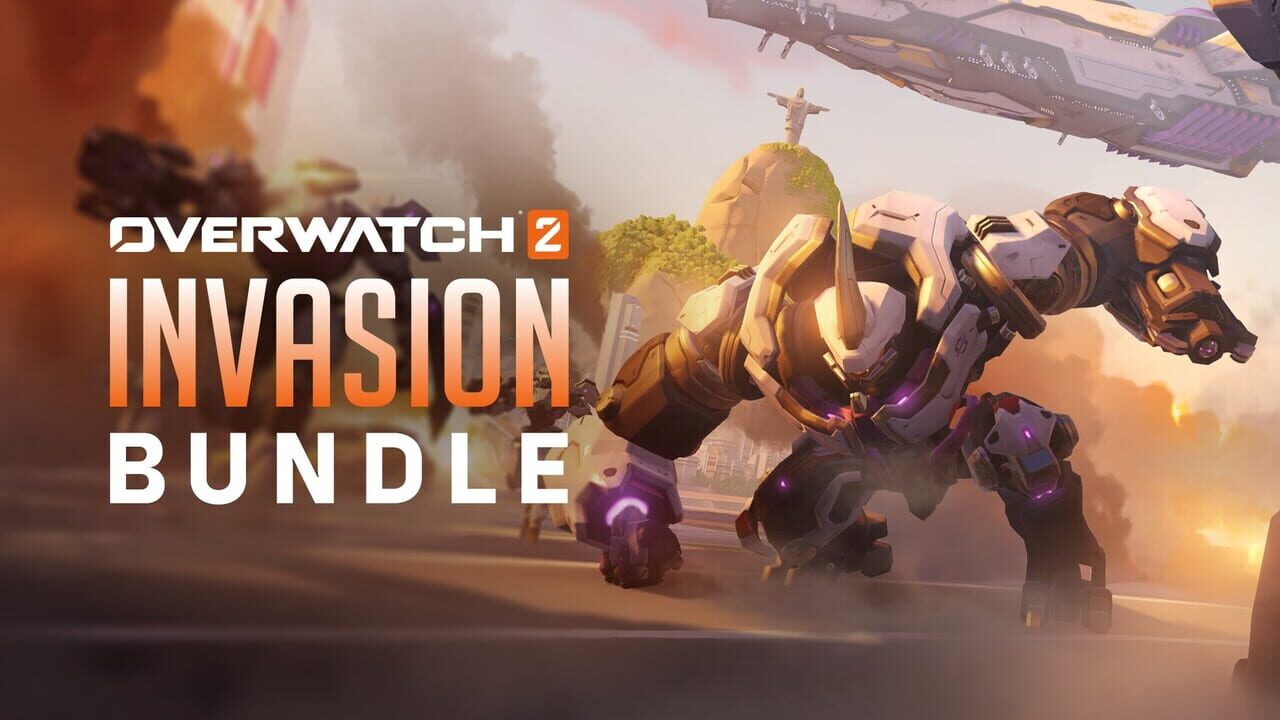
Hey there, warriors! If you’ve been grinding through matches and wondering how to actually climb the ranks in overwatch-2, you’ve come to the right spot. This Overwatch 2 Guide: Best Builds, Farming and Tips is packed with everything you need to dominate the battlefield — from optimal hero builds and role-specific strategies to smart resource farming and pro-level tips. Whether you’re a longtime veteran or just getting your feet wet on the competitive ladder, we’ve got you covered. Let’s get into it.
Core Mechanics
| Mechanic | Description | Why It Matters |
|---|---|---|
| 5v5 Format | Since the roster reduction, teams now run two tanks, two damage dealers, and two supports instead of the old six-player format | Better mobility, fewer deaths from spawn-camping, and faster-paced team fights |
| Ultimate Economy | Ultimates build through damage dealt, healing done, objective time, and eliminations; you earn 100 ultimate per 600 damage or 200 healing | Smart ultimate timing can swing entire rounds |
| Shield Meter | Attackers must fill a shield meter by dealing damage to defender barriers before they can proceed | Forces coordinated pushes on attack rounds |
| Respawn Timer | Eliminated players respawn after a set duration; longer maps = longer respawns | Patience and positioning matter more than ever |
| Hero Roles | Three core roles: Tank, Damage (DPS), and Support — each with unique playstyle requirements | Picking the right hero for your playstyle is critical |
| Map Classes | Push, Escort, Hybrid, Control, and Payload maps with distinct objectives | Understanding map type changes your entire approach |
| Farm (Battlepass Tokens) | Earn XP through gameplay, challenges, and daily/weekly quests to level up the Battlepass and unlock cosmetics, heroes, and other rewards | Consistent farming keeps you progressing even during losing streaks |
| Skill Rating (SR) | Competitive points and MMR-based rating that determines your rank tier and division | The ultimate goal for ranked players |
Step-by-Step: How to Build the Most Effective Overwatch 2 Loadouts
Step 1 — Pick Your Primary Role and Stick With It
The first thing you need to figure out is whether you want to be the guy absorbing damage as a Tank, racking up kills as Damage, or keeping your team alive as Support. Don’t hop around every match — mastery comes from repetition. Spend at least five to ten hours with a small pool of two or three heroes in your chosen role before branching out. For Tanks, start with a main like Reinhardt or D.Va. For Damage, pick a hitscan or sniper you feel comfortable with. For Support, Mercy and Ana are foundational picks that teach you positioning and game sense.
Step 2 — Understand the Meta Shifts from 5v5
Overwatch-2’s transition to five players per team completely reshaped the meta. Tanks now have less immediate backup, making peel and area denial more valuable than ever. Supports are under more pressure because there are fewer bodies to cover mistakes. Damage dealers carry more weight in fights since each elimination has a larger impact. Adjust your build choices accordingly — a tank like Sigma with his barrier and gravitational flux works wonders in the current landscape, while mobile DPS heroes like Generation 5.5-friendly heroes such as Shion (from the upcoming content) reward aggressive positioning.
Step 3 — Choose a Hero Build and Customize It Proper
Every hero in Overwatch 2 has a customizable loadout slot that includes primary fire, secondary ability, and a couple of passive or active toggles. Here’s how to approach each slot:
- Primary Fire: This is your go-to weapon. Make sure it complements your playstyle. If you’re playing aggressively, a high-damage rapid-fire option might suit you. If you’re playing more passively, a slower but higher-impact weapon could be better.
- Secondary Ability: This is where you customize your hero further. Tanks have options like barrier charge, rocket jump, or shield bash. Damage heroes can swap between different grenades, explosives, or utility skills. Supports have game-changing abilities like resurrection, healing dart upgrades, or defensive bubbles.
- Passive Toggle: Some heroes offer a second passive you can swap. These are often situational — for example, swapping between a damage-increasing passive and a survivability one depending on whether you’re ahead or behind.
- Concentrated Fire (Active): This is your ultimate’s alternative mode in some cases. Learn when to activate it for maximum effect.
Step 4 — Build Your Ultimate Strategy Around Team Comps
Don’t just mash the ultimate button when it’s ready. Think about what your team needs right now. Are you lacking damage? Save your ultimate for a fight where you can combine it with your team’s ults. Need defense? Hold a shield or heal ultimate for when the enemy dives your backline. A well-timedultimate combo — like Roadhog hook into Chroma Pulse and Black Widow’s poison nova — can wipe an entire enemy team instantly. Communication is key here. Use pings and voice chat to coordinate.
Step 5 — Farm Battlepass XP Efficiently
To keep progressing without burning out, you need to farm Battlepass XP smartly. Here’s the breakdown:
- Daily Challenges: These reset every day and give you quick XP boosts. Always complete them — they’re the easiest way to stay on track.
- Weekly Challenges: These are bigger and sometimes require specific heroes or modes. Plan your week around these.
- Win Streaks: Playing and winning in quick play gives bonus XP. Even in a losing streak, try to complete objectives — they grant XP regardless of the match result.
- Special Events: During seasonal events like Overclocked, Winter Wonderland, or the upcoming Season 5.5 content drops, there are always special challenges with bonus rewards. Jump on those immediately.
- Battlepass Token Trading: If you have duplicate cosmetics you don’t need, you can convert them into tokens and use them wisely, though focus on earning through gameplay first.
The trick is to rotate through modes and heroes to keep things fresh. Don’t grind the same hero on the same map for twelve hours straight — you’ll burn out fast.
Step 6 — Learn the Map Pool
Map knowledge separates good players from great ones. Each map in Overwatch 2 has unique chokepoints, flank routes, power positions, and utility spots. Study them. Watch VODs of pro players on your main heroes to see how they position, when they rotate, and where they hold angles. On escort maps like King’s Row or Route 66, learn the mid-point fights. On control maps like Oasis or Ilios, memorize the rotations between C-pods. On push maps like New Queen Street or Dorado, understand where the cart stalls and how to defend those moments. Maps are your playground — treat them like one.
Step 7 — Practice Your Crosshair Placement and Aim
Aim is a skill that takes time to develop. Start by keeping your crosshair at head level at all times. Most engagements in Overwatch 2 happen within a medium range, so don’t snap your crosshair to the ground and then look up — you’ll already be at a disadvantage. Practice tracking moving targets in the firing range. Use heroes with simpler aim requirements first, then gradually move to more mechanically demanding ones. Consistent daily practice of even ten minutes in the shooting range will pay off massively over time.
Tips — Level Up Your Gameplay Fast
Tip 1: Communicate Constantly — Overwatch 2 is a team game above all else. Ping enemies, call out ultimates, and coordinate pushes. Even basic ping usage can dramatically improve your team’s coordination. The ping system was specifically designed to make communication accessible to everyone.
Tip 2: Don’t Die Pointlessly — Every death puts your team at a disadvantage because of the respawn timer. Before you push forward, ask yourself: does this fight favor us? If not, fall back and reposition. Surviving is often more valuable than getting a flashy kill.
Tip 3: Watch Your Backline — Tanks, don’t just barrel forward. Stay close enough to your supports to protect them, but not so far ahead that you get isolated. Supports, don’t hide in the back corner — stay near your damage dealers so you can heal through fights. Damage dealers, stick to your supports and clean up whoever dives them.
Tip 4: Save Key Abilities for Crucial Moments — D.Va’s mech isn’t just for show. Holding it until the enemy uses their big ults can completely negate their advantage. similarly, Ana’s nanobolt or Lucio’s Amp It Up deserve careful timing. Patience wins games.
Tip 5: Adapt Your Loadout Mid-Game — If you’re running low on health and being focused, swap your passive to something survivable. If you need to deal more damage to break a stalemate, switch to your offensive passive. The flexibility of customization means you can adjust to the flow of the match.
Tip 6: Learn Enemy Patterns — Pay attention to what the enemy team is doing. Are they saving their ults? Are their tanks positioning too far forward? Can you punish their Ana for missing a sleep dart? Reading the enemy team is just as important as mastering your own heroes.
Tip 7: Manage Your Mental Game — Tilt is real, and it will destroy your performance if you let it. Lost a few matches in a row? Take a break. Don’t queue up again until you feel calm and focused. Your mental state directly impacts your mechanical execution and decision-making.
Tip 8: Focus on Objectives Over Kills — A player who gets five kills but ignores the payload or the objective is worse than a player who gets one kill but secures the point or pushes the cart. Always prioritize the objective. That’s what wins rounds.
Tip 9: Use the New Season 5.5 Content When Available — With new heroes like Shion hitting the scene and the End of the Line narrative continuing, stay updated on balance patches and hero releases. New heroes often come with strong initial kits that can be very effective if you learn them quickly before the community catches up.
Tip 10: Review Your Replays — One of the fastest ways to improve is to watch your own gameplay back. You’ll spot mistakes you never noticed while playing — missed shots, bad positioning, wasted ultimates. Use the in-game replay feature regularly.
FAQ
Q1: What is the best role to main in Overwatch 2 right now? The “best” role depends heavily on the current meta and your personal preferences. However, Tanks have seen a significant shift with the 5v5 format — having two tanks means more pressure on each one to create space. D.Va, Reinhardt, and Sigma are consistently strong picks. On the Damage side, mobile heroes like Genji, Tracer, and the newly released Shion offer high impact for skilled players. For Support, Ana remains a cornerstone pick due to her long-range utility, while Lucio and Mercy provide team-wide buffs and consistency. Ultimately, the best role is the one you enjoy playing the most — consistency in enjoyment leads to consistency in improvement.
G1: How do I farm Battlepass XP the fastest? The fastest way to farm Battlepass XP is by completing Daily and Weekly challenges consistently while maintaining a win rate above fifty percent. Play Quick
Discussion
0 commentsNo comments yet. Be the first!