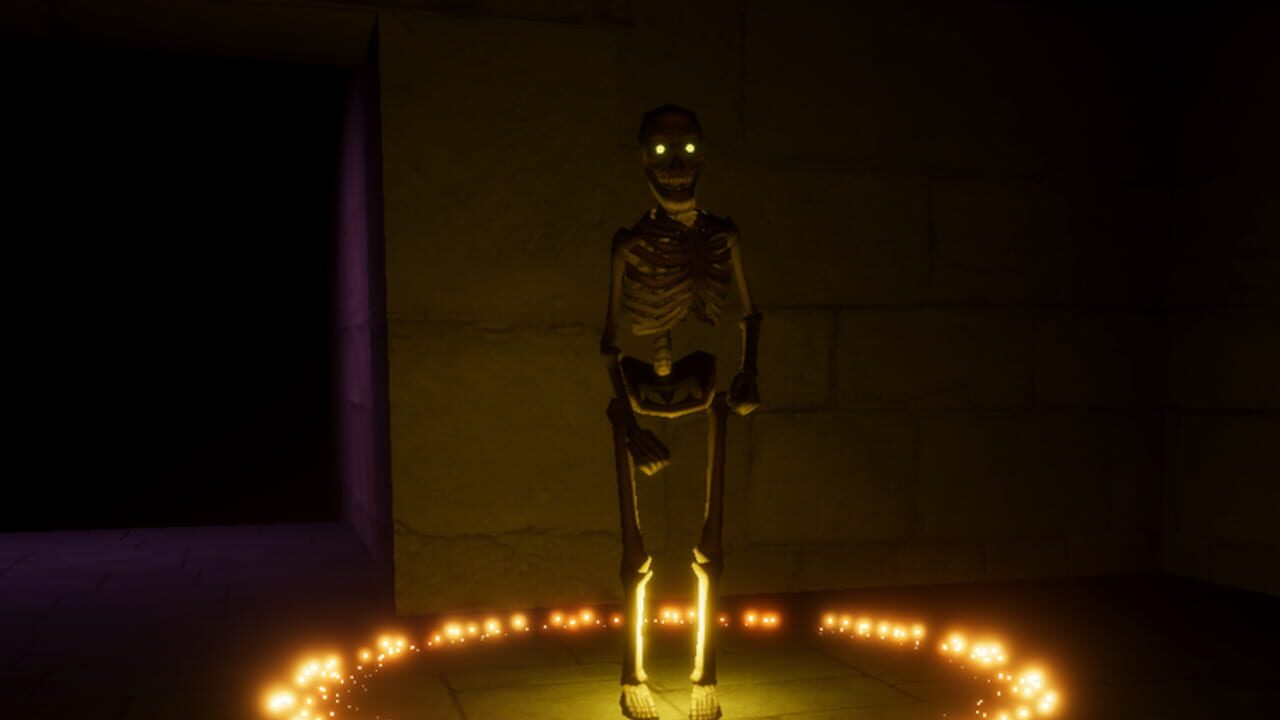
Monsters & Memories — the old-school group-centric MMO from a team of industry veterans nostalgic for 1999-era EverQuest — ran a 10-week lottery beta starting March 1, 2026, and opened Early Access in June 2026. It’s the year’s purest “they don’t make them like this anymore” MMO: punishing, group-dependent, and deliberately hostile to modern convenience design. This guide explains the design philosophy, how to approach the game’s camp culture, and what to expect from Early Access.
Note: This guide reflects Monsters & Memories Early Access as of August 2026. Early Access content and systems will change.
What Monsters & Memories Is
M&M is an unapologetic throwback to the original EverQuest design era:
- Group-centric leveling — the intended path is six-person groups holding camps for hours, not solo questing.
- Old-school risk — corpse runs, pull discipline, and social consequences are design features, not bugs.
- Deliberately slow progression — the grind is the content, and the community bonds over it.
- The March 2026 beta used a 10-week lottery for access before the June Early Access opening — a system the team used to control server load while preserving the community feel.
If you want modern conveniences, auto-pathing, or solo viability, this is not your game. If you remember camping Seafury Isle or laurels of Upper Guk and want that back, this is the year’s most authentic version.
The Design Philosophy: Groups Are the Game
Every system in M&M assumes you’re playing with others:
- Class roles are strict. Tanks hold camps, healers sustain, crowd control classes (the enchant-style role) make the difference between a sustainable camp and a wipe cycle. The “holy trinity plus CC” structure is intact by design.
- Pull discipline is a skill. Breaking camps, managing aggro windows, and setting up the pull order are the core mechanical skills — modern players underestimate how learnable this is.
- Camp culture is the social layer. Groups form around contested camps; you’ll meet your server’s community at the popular spots. The game’s social reputation system is invisible but real — griefing a camp follows you.
Early Access Realities
The June Early Access opened the game wider, and the first months settled some expectations:
- Content depth is EA-level. Zones, classes, and camp tiers exist up to a current cap; the roadmap extends the world through Early Access.
- Group-finding is server-community-driven — no dungeon finder, no matchmaking. The game’s Discord and zone chat are the LFG tools. Plan around it.
- Progression is slow by design. The classic-era pacing means a camp session produces steady, modest experience. Speed is not the point.
- The lottery/beta history matters — a significant chunk of the current population are beta veterans who know the camps. New players should lean on them; old-school communities reward respectful newcomers.
Getting Started: The First Group
The path into M&M’s group game:
- Pick a group-critical class for your first character. Tank and healer classes find groups instantly; DPS queues longer. If you’re new to old-school conventions, tanking teaches the game’s systems fastest — or pick a CC role if you want to be irreplaceable.
- Learn one camp at a time. Each zone’s camps have pull paths, wanderer aggro radiuses, and escape routes. Ask in zone chat; the community answers.
- Communicate constantly. Old-school group games run on text: call pulls, call low mana, call resists. Silence gets you removed from groups.
- Respect the camp. The unwritten rules — don’t train other groups, don’t KS, don’t ninja spawns — are enforced socially. This is the MMO as it was.
- Embrace the pace. An evening at a camp with a good group is the game. Progression anxiety is the one thing this game will not reward.
Class Roles Snapshot
M&M’s class roster splits into the classic camp-composition roles, and knowing which slot you fill decides your group value:
- Tanks (warrior-types): hold the camp’s mobs on themselves, position against adds, and manage the pull cadence. The most group-critical role — a bad tank ends sessions.
- Healers: sustain the tank through the camp’s damage curve. Mana discipline is the real skill; the old “low mana call” is sacred here.
- Crowd control: the enchant/CC style role locks down adds and makes multi-mob pulls survivable. The least populated role and the fastest group-finding path — if you want to never wait for a group, this is it.
- Melee and ranged DPS: feed the kill speed. Well-played DPS speeds camps; badly played DPS steals aggro from the tank. Damage discipline matters more than damage numbers.
- Utility/puller styles: the dedicated pull role from classic-era design — single-mob extraction, aggro kiting, and camp breaking. The most old-school skill in the game.
Early Access servers skew short on tanks and healers as always, and long on DPS. Choosing one of the support-side roles is the fastest route into the community — and in a game where reputation is the real progression, that matters more than anywhere else.
What’s Distinctive vs Other Old-School Revivals
The old-school lane has gotten crowded — EverQuest TLPs, Project 1999, Pantheon, EverQuest Legends. M&M’s differentiators:
- It’s a new IP built entirely for this design, not a retrofit — the class kits and camp design were authored for group-first play from scratch.
- The community is self-selecting. Everyone currently in the game chose the slow path deliberately; the culture is the game’s best feature.
- It’s watching the EQ Legends experiment — Daybreak’s multiclass reimagining (launched July 28) and M&M’s purist approach are opposite answers to the same nostalgia, and the comparison is now one of the year’s most interesting MMO arguments.
If Legends is “old EQ with modern systems,” Monsters & Memories is “old EQ without the apologies.”
Should You Try It?
Honest framing: Early Access M&M is for players who know they want the old-school loop. The group dependency, slow progression, and social enforcement will frustrate everyone else. But if you’ve been chasing the 1999 feeling across TLPs and Project 1999 and haven’t found it, this is the closest thing being made in 2026.
For the genre context, our EverQuest TLP progression guide and Project 1999 guide cover the established old-school scene, and the EverQuest Legends launch guide covers the modernized counter-argument.
Discussion
0 commentsNo comments yet. Be the first!