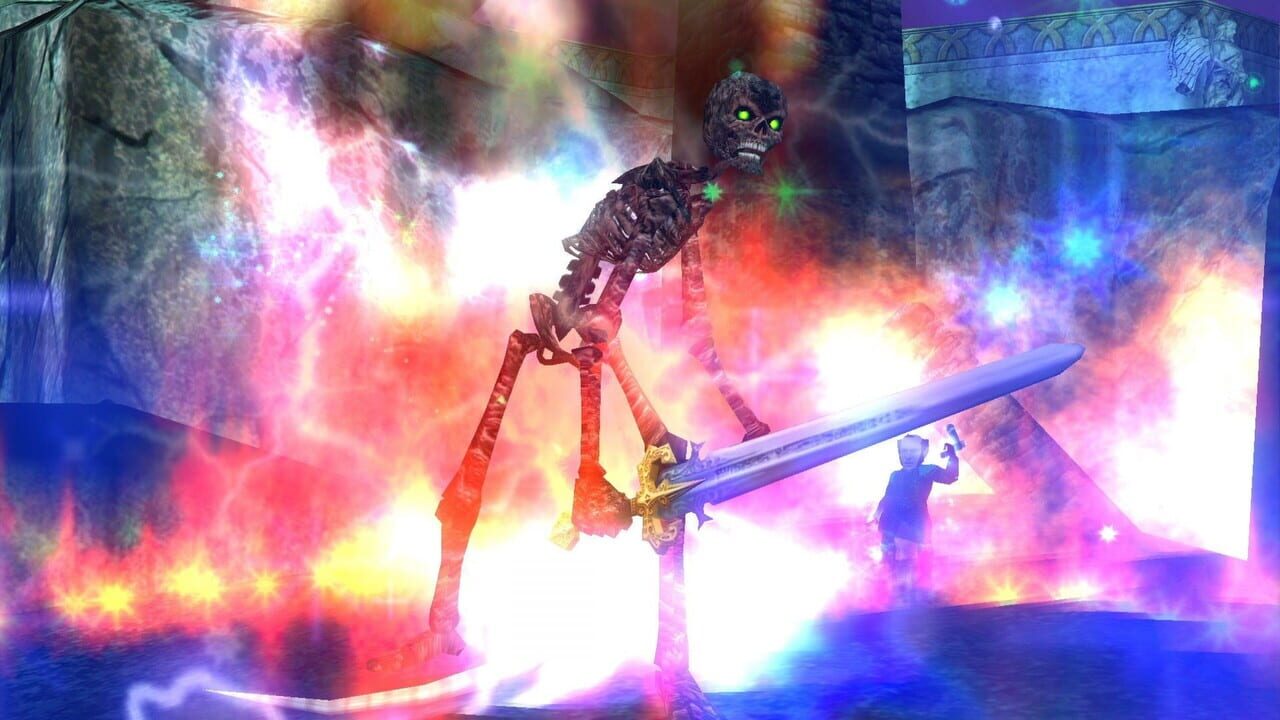
Time-Locked Progression (TLP) servers are EverQuest’s most popular attraction for returning veterans and curious newcomers alike. Instead of playing on a live server with thirty years of content already unlocked, TLP servers begin with original 1999 EverQuest and unlock new expansions on a set schedule. This recreates the experience of playing through EQ’s history step by step.
Note: Verified as of July 2026. Check official patch notes for updates.
What Is a TLP Server?
An EverQuest Time-Locked Progression server works like this:
- Starts with only Classic EverQuest content available at launch
- Unlocks expansions on a schedule — typically every few weeks or months depending on the server
- Has a large active player base at launch because everyone begins at the same point
- Resets economy and character progression to zero — no transfers from other servers allowed
This means a TLP server gives you a guided tour through EverQuest’s history: Classic, then Ruins of Kunark, then Ruins of Velious, Shadows of Luclin, Planes of Power, and onward through each major expansion in order.
Expansion Unlock Schedule
Most TLP servers use a player voting system where the community votes to unlock the next expansion once a minimum playtime threshold is reached. Common unlock pacing looks like this:
- Faster-paced TLPs: approximately four weeks per expansion
- Standard-paced TLPs: roughly eight to twelve weeks per expansion
- Slower-paced TLPs: some servers intentionally linger in a particular era for months at a time
EverQuest has over thirty expansions in total. As a TLP server approaches more modern expansions, the population tends to thin out. The Classic and Kunark-era periods consistently draw the largest crowds.
True Box Rule Explained
Many TLP servers enforce the True Box Rule: each physical computer may run only one EverQuest client at a time. This directly limits multi-boxing — running multiple characters simultaneously from the same machine — a practice that became extremely common in later-era EverQuest.
True Box servers encourage grouping with actual people instead of filling a six-person group with your own alt characters. This dramatically improves the social atmosphere, especially during early-game content.
Some TLP servers modify or relax the True Box rule at certain expansion unlocks as the game enters eras where solo-friendly mechanics become more viable.
Key TLP Servers (Historical Examples)
Daybreak has launched numerous TLP servers throughout EQ’s history. Notable examples include:
| Server | Key Rule | Known For |
|---|---|---|
| Phinigel | True Box; automated unlocks | First automated-unlock TLP; extremely popular |
| Agnarr | Locked at Planes of Power era | Never unlocks past PoP; permanent classic feel |
| Aradune | True Box + boxing rules (max two accounts) | Active GM enforcement of boxing limits |
| Mischief | Random loot (any mob can drop any era-appropriate item) | Faster gearing cycle; very popular in 2021 |
| Oakwynd | Persistent Velium drops; Hardcore Heritage content | Featured new ruleset experiments |
New TLP servers continue to launch periodically. Always check the official EverQuest website for the current server list before creating a character.
Classes Available on TLP Servers
All original EverQuest classes are available from day one on Classic-era TLP content:
| Archetype | Classes |
|---|---|
| Melee | Warrior, Monk, Rogue, Bard |
| Hybrid Melee/Spell | Paladin, Shadowknight, Ranger |
| Pure Caster | Wizard, Magician, Necromancer, Enchanter |
| Healer/Priest | Cleric, Druid, Shaman |
Note that some classes unlock later as expansions progress:
- Beastlord unlocks with the Shadows of Luclin expansion
- Berserker unlocks with the Gates of Discord expansion
Group Composition and XP Sharing Mechanics
Understanding group dynamics is essential for thriving on a TLP server. EverQuest uses a six-person group system with shared XP and experience distribution.
Group Experience Distribution
When you kill a mob, XP is split among all group members within range. Several factors affect how much XP you receive:
- Level difference: If your character is significantly below the mob’s level, you receive a penalty. Staying within three to five levels of the mob you’re fighting ensures optimal XP gain.
- Group size: A full six-person group splits XP more ways, but the increased survivability means you can tackle higher-level mobs than a smaller group could handle. Finding the right balance depends on your comfort level.
- Zone difficulty scaling: Early zones are designed for lower-level groups. As the group levels up, moving into the appropriate higher-level zone keeps XP rates efficient.
Tank-DPS-Heal Triangle
Classic EverQuest group composition revolves around three roles:
- Tank: Warriors, Paladins, and Shadowknights draw enemy aggression through combat skills. The tank stands between the mob and the rest of the group, absorbing damage.
- Damage Dealers (DPS): Mages, Warlocks, Wizards, Clerics with damage spells, and physical attackers wear down the mob’s health.
- Healer: Clerics, Druids, and Shamans keep the tank alive with restoration spells.
A standard six-person group on a TLP server often forms as: one tank, one healer, and four damage dealers. This composition maximizes kill speed while maintaining survivability.
Aggro Management
Aggro (aggression) determines which mob attacks which player. Most melee attacks and spells generate aggro. Healers generating healing aggro is a constant concern — a cleric who overheals or heals too aggressively can pull the mob off the tank. Learning to modulate your healing output is a skill developed over many group sessions.
Camp Mechanics and Spawn Rotations
Camp spots are the lifeblood of TLP servers, especially during the first few weeks. Understanding how spawn systems work gives you a tactical edge.
How Spawns Work
Every mob in EverQuest respawns on a timer after being killed. Named mobs (bosses with special titles) have longer respawn times — sometimes several in-game hours. A camp spot is a location where a named mob spawns close enough together that killing it repeatedly is efficient.
Camp Etiquette
Proper camp etiquette prevents conflict and ensures smooth kills:
- Take turns: Groups alternate killing the same named mob. One group kills it, then steps back while the next group approaches.
- Don’t spawn kill: Killing a mob as it respawns (before the previous kill animation finishes) is frowned upon and can cause disputes.
- Communicate: On busy camps, players often call out rotations or coordinate via local chat.
- Respect the line: Stand in the designated spot and wait your turn. Jumping ahead of your rotation creates friction.
Popular Early-Level Camp Spots
During the Classic era, certain named mobs are sought-after camp targets because they drop gear and have manageable respawn times. As a new player, joining an established group at a known camp is the fastest path to both good equipment and level progression.
Skill-Up System and Combat Training
EverQuest uses a skill-based progression system rather than ability points. Your combat and craft skills improve through use.
How Skill-Ups Work
When you perform an action — swing a weapon, cast a spell, trade goods — there is a chance your relevant skill increases. This creates natural incentives:
- Melee fighters build weapon skills by hitting mobs regularly.
- Spellcasters increase their school of magic through repeated casting.
- Crafters improve disciplines (Blacksmithing, Tailoring, etc.) by crafting items.
The Danger of Skill Caps
During TLP content, certain skills may hit a soft cap relative to the mob levels you’re fighting. If you’re consistently failing to land hits or your damage feels weak, you may need to continue training that weapon or spell school. Training at appropriate-level mobs prevents wasting resources on skills you cannot advance further in the current expansion window.
Crafting on TLP Servers
Crafting is far more valuable on a TLP server than on a live server. Because the economy resets with each TLP launch, crafted gear and consumables hold real worth. Players who invest time in high-level crafting disciplines early can provide essential services to the community and establish themselves as respected server members.
Starting on a TLP Server
At launch, TLP servers are intensely competitive for:
- Camp spots (single spawn points for rare named mobs)
- Crafting material gathering routes
- Group invitations for efficient leveling
Best tips for new TLP players:
- Pick a healer or support class — Clerics, Shamans, and Druids are always in demand for groups
- Join a guild immediately — EverQuest requires heavy grouping; a guild gives you a built-in player pool from day one
- Don’t skip leveling zones — Classic EQ leveling in zones like Crushbone and Unrest is intentional and part of the TLP appeal
- Learn camp etiquette and rotations — TLP servers see heavy competition in early weeks; understanding camp etiquette prevents unnecessary conflict
- Start on day one if you can — TLP populations peak during launch week and slowly decline as content unlocks
Housing and Trading Basics
Owning a house in EverQuest gives you a private storage space and a safe zone to display trophies. On TLP servers, housing is scarce early on because everyone wants it simultaneously. Guilds often pool resources to secure houses for members.
Trading happens through player shops, the /bazaar command, and direct NPC trades. With a fresh economy, prices fluctuate wildly. Patience and observation help new traders understand market value over the first few weeks.
Why Play a TLP vs. a Live Server?
| Reason | TLP | Live Server |
|---|---|---|
| Fresh economy | ✓ Everyone starts equal | ✗ Established players dominate |
| Large active community | ✓ Peaks at launch week | Variable population |
| All content accessible | ✗ Starts with Classic only | ✓ All expansions available |
| Nostalgia experience | ✓ Recreates classic EQ | ✗ Not available |
| Easy character power | ✗ Early game requires grinding | ✓ Modern expansions are easier |
TLP servers are an excellent starting point for new EverQuest players because the large launch population, slower guided progression, and fresh economy make the game far more accessible than jumping into a live server blind.
FAQ
What is a TLP server in EverQuest? A Time-Locked Progression server starts with Classic EQ content and unlocks expansions gradually over time, letting you experience the game’s history in order.
Do TLP servers allow multi-boxing? Many TLP servers enforce a True Box Rule that limits you to one EQ client per physical computer, effectively preventing multi-boxing from the same machine.
Which TLP server should I join? Popular choices include Phinigel for automated unlocks, Agnarr if you want a permanent PoP-era lock, and Mischief for its random-loot variant. Check the official server list for current availability.
Are TLP servers good for beginners? Yes. The large player base at launch, structured progression, and fresh economy make TLPs one of the best entry points for new EverQuest players.
When do new classes unlock on TLP servers? Beastlord arrives with the Shadows of Luclin expansion, and Berserker arrives with Gates of Discord. All other original classes are available from day one.
How do group XP sharing and level penalties work on TLP servers? XP is split among all group members within range. If your character is more than three to five levels below the mob you’re fighting, you receive an XP penalty. Staying near your group’s average level when selecting zones keeps your experience gain efficient. Full six-person groups can handle tougher mobs, but the XP split is wider — finding the right group size is a matter of personal preference and comfort.
Is crafting worth pursuing on a TLP server? Absolutely. Crafted gear, containers, and consumables are highly valued on TLP servers because the economy is fresh and NPC vendors do not supply high-end crafted items. Investing in a crafting discipline early gives you a reliable income source and makes you an asset to your guild. Skilled crafters often become the backbone of a TLP community.
Discussion
0 commentsNo comments yet. Be the first!