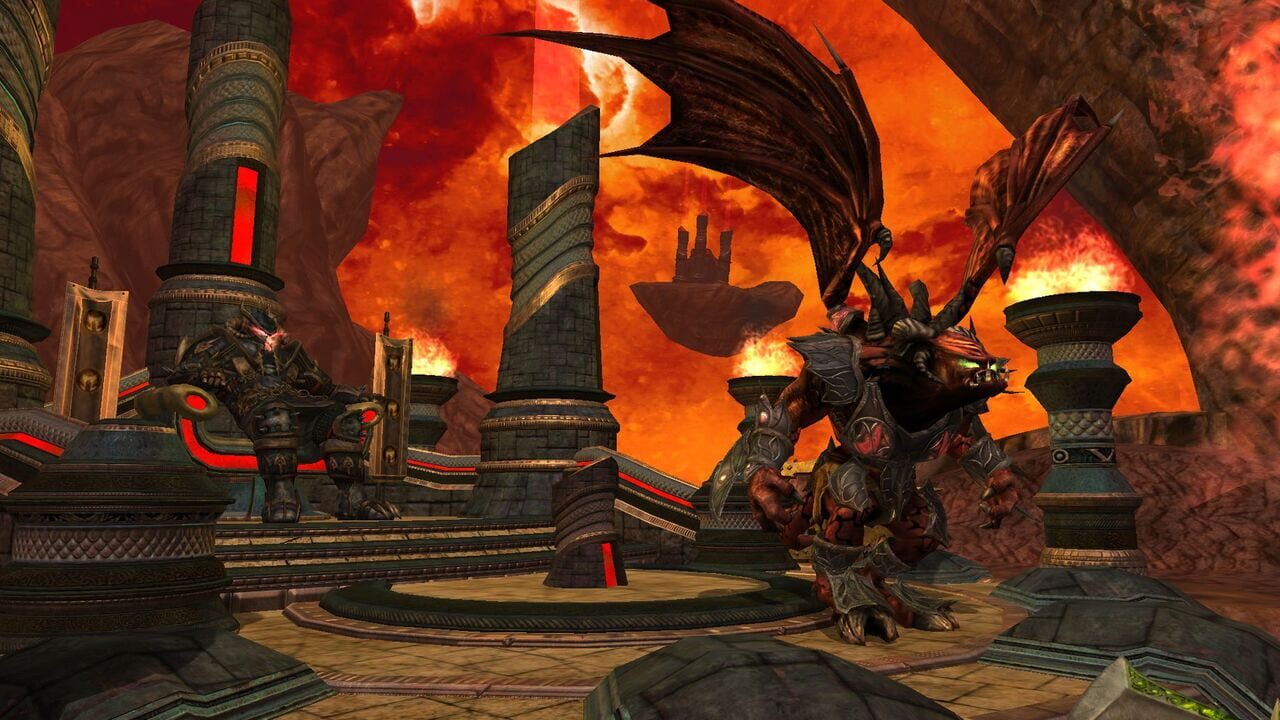
The Overseer system is one of EverQuest 2’s most rewarding passive progression mechanics. It lets you recruit Norrathian NPCs as agents, assign them to background missions, and collect experience, gear, crafting materials, and currency after each mission completes — whether you’re logged in or not. For alt characters, casual players, or anyone looking to maximize their reward throughput, the Overseer system is essential.
Note: Verified as of July 2026. Always check official patch notes for the latest changes.
What Is the Overseer System?
Introduced with the Blood of Luclin expansion in November 2019, the Overseer system gives you a persistent roster of agent cards — unique NPC representations of well-known Norrathian characters. You assign agents to missions through your journal, set them running, and collect rewards once each mission finishes. Missions operate on real-time timers and continue even while you’re offline.
The system is designed to reward strategic agent selection. Matching an agent’s traits to the mission’s requirements dramatically increases your chances of success, and complications add random obstacles that can further tilt the odds — or be countered with the right agent.
How to Access the Overseer
- Open your journal and navigate to the Overseer tab, or click the dedicated Overseer button in the UI
- You start with a limited number of agent slots and mission slots
- Progressing the Overseer system itself unlocks additional agent slots and mission categories as you level the feature
The interface is straightforward: view your roster, browse available missions, and send agents off with a click. Everything runs automatically until the timer expires.
Agents: Your Roster Power
Agents are the core of the Overseer system. Each agent card has specific attributes that determine how well they perform on different missions.
- Traits — Agents belong to categories such as Soldier, Scholar, Arcane, Tradesman, and Scout. A mission may specify which traits it prefers, and having a matching agent significantly boosts success chance
- Quality tier — Agents come in Common, Uncommon, Rare, Fabled, and Legendary tiers. Higher-tier agents carry better base stats and succeed more reliably
- Level — Agents gain levels through use, gradually improving their effectiveness
- Special abilities — Some agents have unique bonuses tailored to specific mission types
Legendary agents are the rarest and most powerful, making them highly sought after. Named agents tied to iconic EQ2 characters often come with distinctive bonuses that set them apart from generic agents.
Getting New Agents
You acquire agents through several paths:
- Overseer Quest rewards — Completing Overseer quest chains grants new agent cards as milestones
- Overseer packs — Vendor-bought packs opened for randomized agent drops
- Rare drops — Certain content and events yield agent cards as uncommon rewards
- Player trading — Agents are tradeable, so you can obtain specific cards from other players
Agent Levels and Progression
Agents level up automatically each time they complete a mission, regardless of whether it succeeds or fails. Level gains are modest, but over time they meaningfully improve an agent’s base success contribution. Investing your best agents into longer missions accelerates their growth, since they earn more level-ups per unit of real time spent. Avoid over-leveling low-tier Common agents on long missions — their base success contribution is too low to justify the slot space, and you’ll get better returns by upgrading your roster quality first.
Agent Synergy and Trait Stacking
When a mission lists multiple required traits, each matching agent contributes independently to your success total. However, the system applies diminishing returns if you stack too many agents with identical traits on a single mission. Spreading your roster across complementary trait categories — pairing a Soldier with a Scout, for example — generally yields higher overall success percentages than running three Soldiers on the same mission. This is especially relevant during higher-tier missions where trait diversity matters more than raw numbers.
Mission Types
The Overseer system divides missions into three broad categories, each rewarding different types of progress.
Adventure Missions
Combat-oriented missions that typically require agents with Soldier, Scout, or similar combat traits. Rewards include gear upgrades, platinum, and adventure experience — making them valuable for both active and passive play.
Tradeskill Missions
Crafting-focused missions that call for Tradesman, Scholar, or Merchant agents. These rewards cover crafting materials, recipes, and tradeskill experience, supporting players who want to develop their crafting professions without grinding in-game.
Story Missions
Narrative-driven missions that unlock ongoing storylines within the Overseer system. These often award unique Overseer-specific items and unlock follow-up missions chained together in quest-like sequences. They’re ideal for players who enjoy lore and progression beyond raw rewards.
Mission Success, Failure, and Complications
Success in the Overseer system hinges on trait matching. When you select a mission, the game shows you the required traits and your previewed success chance. Each agent you assign contributes to that percentage based on how well their traits align with the mission’s needs.
Complications are random obstacles introduced during a mission — things like enemy patrols, environmental hazards, or timed objectives. Complications reduce your success chance unless you include an agent whose traits counter the specific complication. This makes preparation and roster diversity important.
If a mission fails:
- Your agents return safely — there is no permanent loss of agents
- Rewards are reduced or absent
- The mission slot frees up immediately for your next assignment
If a mission achieves a critical success, you receive bonus rewards — extra items, additional currency, or even rare agent drops. Critical successes make high-quality, well-matched rosters even more valuable.
Understanding the Complication System
Complications are not purely punitive — they are skill checks that reward thoughtful roster construction. Each complication has a trait type that counters it, and assigning the right agent neutralizes the penalty entirely. Some complications list their counter trait directly in the mission preview; others require you to check your agent roster to find a match. Learning to read complication icons and their associated traits quickly will dramatically improve your long-term success rate.
Mission Slots by Account Type
| Account Type | Base Mission Slots |
|---|---|
| Free-to-Play | 2 |
| All Access (subscription) | 4 |
| Additional slots | Purchasable with Daybreak Cash |
With four mission slots, you can run multiple missions simultaneously, maximizing your reward output throughout the day. Shorter missions — one to three hours — keep your slots cycling quickly during active play sessions. Longer missions — eight to sixteen or more hours — are ideal for overnight runs when you won’t be online.
Slot Management Strategy
Treat your mission slots as a pipeline, not just a queue. Always keep at least one long-haul mission running overnight so you wake up to completed rewards. Fill remaining slots with short missions that cycle while you’re actively playing. When a slot frees up, assign a new mission within minutes — even a brief login window can complete a short mission and reset your rotation. Empty slots are wasted time, and time is your most limited resource in this system.
Overseer Quests: The Long Game
Beyond individual missions, the Overseer system features Overseer Quests — structured quest chains that reward substantial progression items, including new agent cards. These quests often unlock alongside mission availability and reward increasingly powerful agents as you complete them. Tackle your available Overseer Quests from your journal first; the agent cards they grant tend to be among the best you’ll earn passively.
Seasonal and Event Missions
During special game events and expansion launches, the Overseer system offers seasonal missions with unique rewards unavailable through regular gameplay. Check your Overseer panel during events like Frostfell, Nights of the Dead, and other seasonal celebrations — event-exclusive missions frequently appear with themed rewards that can’t be obtained at any other time.
Tips to Master the Overseer System
- Match agent traits to mission requirements — This is the single biggest factor in your success rate. Always preview the trait match before committing
- Build a diverse roster — Cover all major trait categories so you can handle any mission type that comes your way
- Prioritize Fabled and Legendary agents — Higher-quality agents carry noticeably better success rates and reward bonuses
- Run missions around your schedule — Queue short 1–2 hour missions while you’re actively playing for rapid cycles, and long 8–16 hour missions before you log off for overnight rewards
- Complete Overseer Quests early — The agent cards rewarded by quest chains are some of the best you’ll get passively
- Watch for complications — Adding the right counter-agent is free efficiency; don’t ignore a complication just because your base success chance looks good
- Never let slots sit empty — Even five minutes of login time is enough to queue new missions. Consistent rotation means consistent rewards
- Focus your best agents on highest-tier missions — Legendary agents on Fabled-tier missions yield better returns than spreading them thin across lower-tier content
- Check mission previews for hidden trait bonuses — Some missions list bonus trait requirements that aren’t obvious at first glance. Reading the full description prevents wasted assignments
FAQ
Can agents die or be permanently lost?
No. Failed missions return agents safely. There is no permanent agent loss in the Overseer system.
Do I need to stay logged in for missions to complete?
No. Missions run on real-time timers in the background. You collect rewards when you next log in and check your mission results.
Are Overseer agents tradeable between players?
Yes. Agent cards are tradeable, so you can obtain specific agents through player-to-player trading.
Which account type gives more mission slots?
All Access subscribers receive 4 base mission slots compared to 2 for free-to-play accounts. Additional slots can be purchased with Daybreak Cash on any account type.
Do seasonal missions expire?
Yes. Seasonal and event-exclusive missions are only available during their respective events. If you miss them, they won’t return until the next occurrence.
Should I prioritize leveling agents or acquiring higher-tier agents?
Higher-tier agents outperform leveled lower-tier agents in every category. Focus on upgrading your roster quality first through packs, quests, and trading. Once you have a solid core of Fabled and Legendary agents, then invest time leveling them through consistent mission assignments.
How do I know which agent counters a specific complication?
Look at the complication icon and description in the mission preview. Each complication is tied to a trait category — Soldier, Scholar, Arcane, Tradesman, or Scout. Any agent carrying that matching trait will neutralize the complication’s penalty. If you’re unsure, hover over the complication in the UI for a tooltip that reveals its counter trait.
Discussion
0 commentsNo comments yet. Be the first!