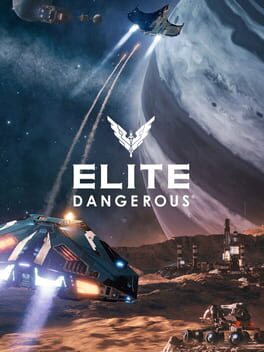
Frontier Developments just posted its strongest financial year ever, and for every pilot in the galaxy, that tells you something real about the future of Elite Dangerous. Here is the verified breakdown of what Frontier reported, what it means, and what it does not mean for your game.
Note: Verified as of July 2026. All figures below come from Frontier’s official FY26 trading update. Always check the official Frontier announcements and patch notes for the latest information.
FY26 Financial Highlights You Need to Know
Frontier Developments plc reported results for the twelve months ended May 31, 2026. These are the headline numbers from the official trading update:
| Metric | FY26 | FY25 | Change |
|---|---|---|---|
| Revenue | £104.8M | £90.6M | +16% |
| Adjusted Operating Profit | £19.0M | £13.2M | +44% |
| Cash Generation (ex-capital transactions) | £18.8M | £12.9M | +46% |
| Cash Balance at May 31 | £44.0M | £42.5M | +4% |
The adjusted operating profit of £19.0M beats Frontier’s previous record of £15.9M from FY19. That is a meaningful milestone. The underlying profit — which strips out a one-off £3.9M publishing rights gain that appeared in FY25 — more than doubled compared to FY25. You should watch that underlying figure rather than the headline number alone. It gives a clearer picture of the recurring business performance.
Cash generation, measured excluding capital transactions, rose 46% to £18.8M. The company closed the year with £44.0M in cash and no debt on the balance sheet. A clean balance sheet and growing cash reserves are exactly the kind of foundation that matters when you are thinking about long-term game support.
What Drove These Results
Almost 90% of Frontier’s FY26 revenue came from its Creative Management Simulation (CMS) games. That share rose from 77% in FY25. The primary contributors include:
- Jurassic World Evolution 3 — a new release that delivered strong launch and early sales
- Planet Coaster and Planet Zoo — continued catalogue and expansion revenue
- Jurassic World Evolution series — back-catalogue performance across multiple titles
Elite Dangerous is Frontier’s non-CMS flagship. It does not drive the majority of the company’s revenue, and Frontier has been clear that the CMS portfolio is its growth engine. However, Elite Dangerous remains the studio’s most recognized IP and a core part of its identity. The financial results above do not reflect spending on Elite Dangerous development. They reflect the performance of the CMS portfolio. That distinction matters.
What This Means for Elite Dangerous Players
When a publisher posts a record year with zero debt and rising cash, the practical implications for every player are straightforward. Here is what changes and what stays the same.
Server and Platform Support
Frontier has confirmed that Elite Dangerous continues to operate with regular updates. The improved financial position means the infrastructure that keeps your game running — servers, online services, matchmaking — is backed by a stronger balance sheet. There is no indication that the game faces any shutdown risk. The combination of £44M cash, no debt, and growing revenue gives the studio real flexibility.
Development Priorities
CMS games will remain the financial priority. That is an honest assessment and not a criticism. The revenue mix shows why: CMS titles generate predictable, recurring income through expansions, DLC, and catalogue sales. Elite Dangerous operates differently. It is a live-service space sim with a smaller but dedicated community. Frontier has consistently stated that it will continue to support Elite Dangerous alongside the CMS portfolio. The record financials make that commitment easier to sustain.
Future Content
Any announcement about new Elite Dangerous content will come from Frontier’s official channels. The financial strength does not guarantee a specific roadmap. It does, however, give the studio more optionality. When a company has a healthy balance sheet and strong cash flow, it can invest in longer development cycles without the same pressure for quick returns. For a game like Elite Dangerous, that is a realistic advantage. You should watch official Frontier communications rather than speculating on unannounced projects.
No Financial Risk to the Game
This is the most important point. A publisher with record profits, zero debt, and £44M in cash is not in a position where it would abandon a live game out of financial necessity. Elite Dangerous is safe from that angle. The community should read the financial results as confirmation of stability, not as a promise of specific content.
Share Buyback Programme
Frontier invested £15.5M to acquire 3.95M shares through two separate buyback programmes during FY26. This reduced total voting rights by approximately 10%. The Employee Benefit Trust also invested £2.0M to acquire 532K shares for employee share schemes.
Buybacks like these enhance earnings per share for FY27 and beyond. For players, the direct impact is minimal. What it signals is that Frontier’s leadership believes the company is undervalued and that it has surplus cash to return to shareholders. That is a management signal, not a gameplay guarantee. But it does suggest confidence in the long-term financial trajectory.
Outlook and Tax Credits
Frontier noted that tax credits from the Video Games Expenditure Credits (VGEC) regime are expected to remain elevated in FY27 and beyond. VGEC replaced the UK’s earlier game relief scheme and provides a generous tax credit for qualifying UK video game development expenditure. This is a real and material benefit for any UK-based developer.
The combination of a healthy CMS revenue stream, strong cash reserves, no debt, and favorable tax treatment creates a stable environment for ongoing game support. For the Elite Dangerous community, that stability translates into continued server maintenance, regular updates, and the possibility of future content without the financial pressure that could force hard decisions.
Key Takeaways for Every Pilot
| Factor | What the Results Show | What It Means for You |
|---|---|---|
| Revenue Growth | +16% year-over-year | Publisher is financially healthy |
| Operating Profit | Record £19.0M | Strong margins across the portfolio |
| Cash Position | £44.0M, no debt | No financial pressure to cut costs |
| CMS Focus | 90% of revenue from CMS | CMS is the growth driver; Elite supported alongside |
| Share Buybacks | £15.5M returned to shareholders | Management confidence in long-term value |
| Tax Credits | VGEC benefits expected to continue | Additional support for UK development spend |
FAQ
Q: Did Frontier’s FY26 results include revenue from Elite Dangerous? A: Elite Dangerous contributes to Frontier’s overall revenue, but the vast majority — approximately 90% — came from CMS games. Frontier does not break out individual game revenue in its public financial reports.
Q: Does this mean new Elite Dangerous content is coming soon? A: The financial results confirm that Frontier has the resources to support Elite Dangerous. They do not announce or guarantee any specific content. Any roadmap announcement will come through official Frontier channels.
Q: Is Elite Dangerous at risk of being shut down? A: No. Frontier reported record profits, £44M in cash, and zero debt. There is no financial indicator suggesting the game is at risk. The company has also confirmed that the game continues to operate with regular updates.
Q: What is the CMS strategy and how does it affect Elite Dangerous? A: Creative Management Simulation (CMS) refers to games where players manage and develop creative or simulation-based experiences — such as Planet Coaster, Planet Zoo, and Jurassic World Evolution. CMS titles generate predictable recurring revenue through expansions and catalogue sales. Frontier prioritizes CMS for growth, but has stated that Elite Dangerous will continue to receive support as part of its broader portfolio.
Q: What are VGEC tax credits? A: The Video Games Expenditure Credits (VGEC) regime is a UK government tax relief scheme for video game development. It allows qualifying UK developers to claim a tax credit on eligible development spend, effectively reducing the net cost of development. Frontier expects these credits to remain elevated in FY27 and beyond.
Sources: London Stock Exchange — FDEV Trading Update, Frontier Developments FY26 Trading Update PDF.
Discussion
0 commentsNo comments yet. Be the first!