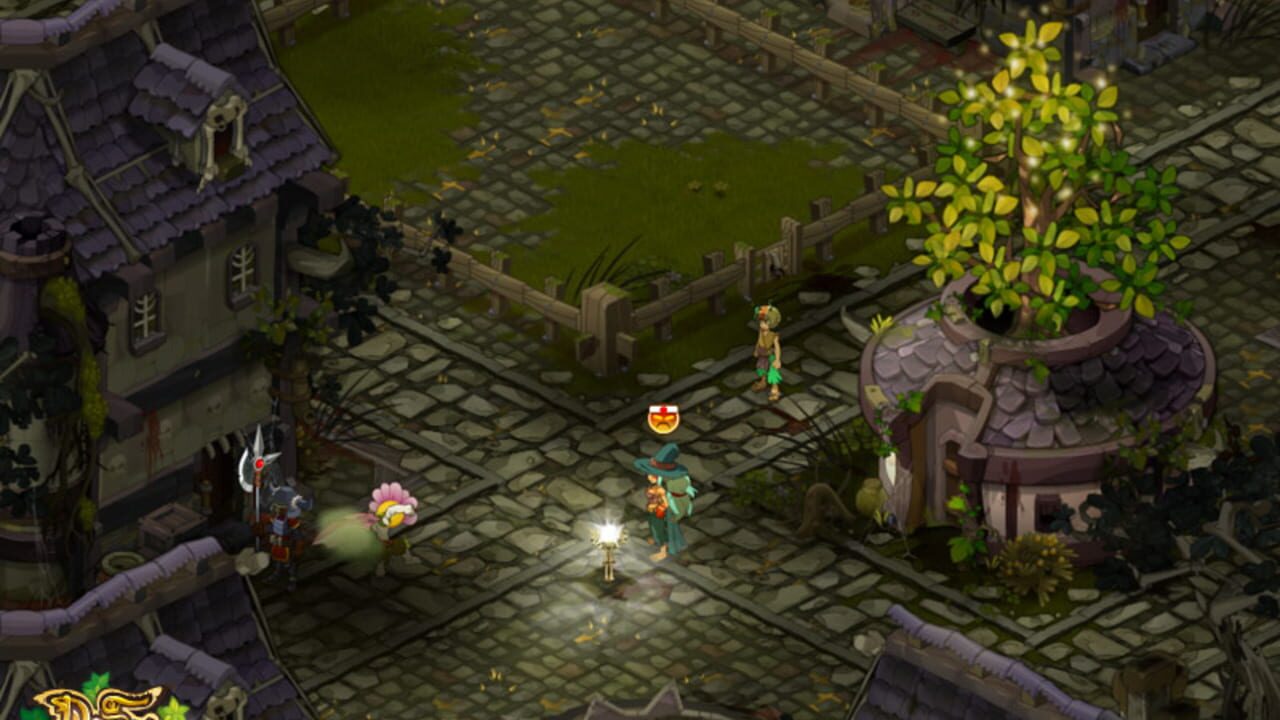
Kamas are Dofus’s primary currency, and the game’s economy is almost entirely player-driven through the Merchant system and Hotel de Vente (the auction house). Building Kamas efficiently requires knowing which resources are in demand, which monsters drop valuable items, and how to leverage crafting for profit.
Note: Verified as of July 2026. Check official patch notes for updates.
Understanding the Dofus Economy
Dofus has no automatic trading post — players who want to sell items place their characters in Merchant mode in specific market areas, or list items in the Hotel de Vente for a small listing fee. This creates a market where knowing demand cycles and price floors is very valuable.
Resources are always in demand because Dofus has an extensive crafting system where all gear can be crafted from dropped materials. The craftable gear market is active even for experienced players.
The Hotel de Vente charges a listing tax when items sell, and you can search, sort, and filter by profession category. Understanding these mechanics helps you time your listings and minimize fees.
Merchant Mode vs. Hotel de Vente: Know the Difference
- Merchant mode lets you set up a stall in designated market zones. Other players walk up to your character and buy directly. You set the price per item, but your character is stationary and vulnerable — you still need to watch your back in busy areas.
- Hotel de Vente is fully automated. List items at your price, walk away, and collect Kamas when someone buys. The platform takes a percentage cut on each sale, so factor that into your profit calculations.
A common strategy is using both simultaneously: merchant mode for quick cash flow on high-turnover materials, and the Hotel for passive income on higher-value items you don’t need urgently.
Method 1: Resource Farming
Gathering and selling raw resources is the most consistent beginner Kamas income method.
Farming Drops from Monsters
Every monster in Dofus drops specific materials used in crafting. The most valuable monster drops come from:
- Zaap-accessible farming zones — Fast reset mobs near Zaap teleport points across all regions
- Low-competition zones — Areas with rare mobs that other players don’t farm heavily
- Quest material mobs — Monsters that drop materials required for popular quests have steady demand
Key farming areas include:
- Bwork Village (Amakna) — low-level bworks drop reliable resources
- Orad regions — mineral and plant nodes are dense
- Kozura and Osamu — mid-level zones with valuable drops
- Brakmar and Jellam — higher-level mob clusters with premium materials
Check the Dofus Wiki to see which monsters drop materials with the best Kamas value per drop.
Gathering Plants and Minerals
Dofus has a full crafting/gathering system. Professions like Alchemist, Miner, and Lumberjack gather raw materials from nodes throughout the world. At high profession levels (100+), gathered materials sell for significant Kamas because:
- High-level materials are in constant demand for crafting endgame gear
- Fewer players bother with gathering at high levels (most focus on combat)
Getting a gathering profession to level 100+ takes time but creates passive income.
Pro Tip: Node Rotation Strategy
Map out your gathering route around a Zaap point before you start. Move from node to node in a loop to minimize travel time. Focus on nodes that spawn rare materials — the time investment is the same whether you hit common or rare nodes, so prioritize the rare ones. Stack gathering on multiple alt characters to cover more ground simultaneously.
Method 2: Dungeon Farming for Valuable Drops
Certain dungeons have boss drops with consistently high market value. Key targets:
Bossing for Trophy Items
Trophy items (powerful accessories dropped from dungeon bosses) are among the highest-value single items in the game. Popular trophies:
- The Turquoise Dofus and other Dofus eggs — rare, extremely high Kamas value
- Boss-unique accessories — Rings, amulets, cloaks from specific boss fights
Achievement Dungeon Runs
Running dungeons for Achievement stamps generates rewards including Ochre Dofus fragments and other high-value items. Achievement dungeons such as The Vorticos, Feca’s Den, and Iopush provide both experience and tradable rewards.
Speedrun Dungeon Farms
Fast-clear dungeons for sellable loot is a separate skill from progression farming. Run routes optimized for drop speed rather than challenge. Group up with players who can burst bosses quickly, and rotate through dungeons that your server’s economy values most. Track which trophy items are trending on the Hotel to prioritize your runs.
Method 3: Crafting for Profit
High-level craftsmen can create items that sell for more than their material cost. Most profitable:
| Crafting Profession | Most Profitable Products |
|---|---|
| Jeweler | Rings and amulets for endgame builds |
| Costumier (Tailor) | Cloaks and hats |
| Shoemaker | Boots in demand for sets |
| Weaponsmith | Popular weapon types for current meta |
| Shield-maker | Defensive shields |
| Cook | Consumable food items with steady demand |
| Alchemist | Potions used in combat and achievement runs |
Before crafting for profit:
- Check the Hotel de Vente for current market prices
- Calculate material cost vs. selling price
- Account for crafting failures (some recipes have failure rates)
At very high crafting levels (100+), failure rates decrease dramatically, improving profit margins.
Step-by-Step: Calculating Craft Profit
- List every material needed for the recipe on the Hotel de Vente and note the lowest current price for each
- Add those material costs together to get your total input cost
- Check the lowest listing price for the finished product — this is your ceiling
- Subtract the listing fee percentage from your selling price to find your net revenue
- Compare net revenue minus total material cost: if the result is positive, the craft is profitable
- Repeat for multiple recipes and pick the one with the highest margin after fees
Always keep a buffer for crafting failures. If a recipe fails at level 90, the materials are lost with no return. Factor a 5–10% failure loss into your margin calculation until you reach level 100.
Method 4: Flipping Items at the Hotel de Vente
Buying underpriced items and relisting them at market price is a classic gold-farming method. This requires:
- Market knowledge — knowing what items normally sell for
- Patient monitoring — checking listings regularly for underpriced items
- Initial Kamas investment — you need capital to buy items before reselling
Popular items to flip: crafting materials with stable demand, mid-tier gear pieces, and consumables.
Flipping Strategy Details
Use the Hotel search filters to sort by “Price: ascending.” Look for items listed significantly below the average price — sellers often mistype prices or rush to sell without checking the market. Common mistake patterns include listing 1,000 Kamas instead of 10,000, or listing a stack of 20 as a single item.
Set up price alerts for key materials you track regularly. When a drop hits your threshold, buy fast and relist within the same session before prices adjust.
Method 5: Professions for Passive Income
Several professions generate consistent income with minimal active play:
- Fisherman — Fish in lakes and seas; seafood is used in recipes
- Hunter — Kill monsters for meat products sold to Cooks
- Alchemist — Gather plants; potions have consistent demand
- Cook — Prepare meals that adventurers buy for stat boosts
- Tailor, Weaponsmith, Jeweler — Craft gear for direct sale
Tips for Building Kamas Efficiently
- Focus on one farming method at a time — spreading efforts produces worse results than focusing
- List items during peak hours — more players browsing = faster sales
- Don’t vendor items worth selling — always check the Hotel de Vente price first
- Level a gathering profession alongside combat — passive resource collection while leveling
- Watch patch notes for new crafting demands — new content creates new resource needs
- Price competitively — being 5% cheaper than competitors often means your item sells first
- Use multiple accounts if available — alt characters can gather on different nodes simultaneously
- Track price trends over weeks — some materials spike during events
- Reinvest early profits — don’t spend your first Kamas on gear. Use them to buy materials or flip capital to grow your income faster
- Build a material surplus — hoard common crafting materials during low-demand periods and sell when demand rises, such as before major game events or updates
FAQ
Q: What is the fastest way to earn Kamas as a beginner? A: Resource farming at low-level Zaap-accessible zones paired with a gathering profession is the most reliable early-game income.
Q: Which profession makes the most Kamas? A: There is no single answer — it depends on server demand. However, high-level Jeweler and Weaponsmith crafts tend to yield the best margins.
Q: How do I use the Hotel de Vente effectively? A: List items at competitive prices, check regularly for undercut sellers, and time listings during active hours.
Q: Can I earn Kamas without crafting? A: Yes — monster farming, gathering, fishing, and flipping items all generate Kamas without crafting professions.
Q: Do alchemy potions and food items sell reliably? A: They do. Cook and Alchemist products are consumables that players use repeatedly in combat and achievement runs, creating recurring demand. Prices stay stable compared to gear, which fluctuates with meta shifts.
Q: How should I prepare my account for serious Kamas farming? A: Prioritize reaching level 100 in any gathering or crafting profession, unlock at least one Zaap per region you plan to farm, and maintain a merchant-stall character stationed in a busy market zone. Stockpile basic materials beforehand so you can start selling immediately once your profession hits useful levels.
Summary Table: Kamas Methods Ranked
| Method | Difficulty | Starting Kamas Needed | Profit Potential |
|---|---|---|---|
| Resource Farming | Easy | None | Low–Medium |
| Dungeon Bossing | Medium | Low | High |
| Crafting for Profit | Hard | Medium | Very High |
| Flipping Items | Medium | High | Medium–High |
| Gathering Professions | Easy | None | Medium |
| Fishing/Hunter | Easy | None | Low–Medium |
Focus on one method until you have steady income, then diversify. Always verify current prices on the Hotel de Vente before committing Kamas to any strategy.
Discussion
0 commentsNo comments yet. Be the first!