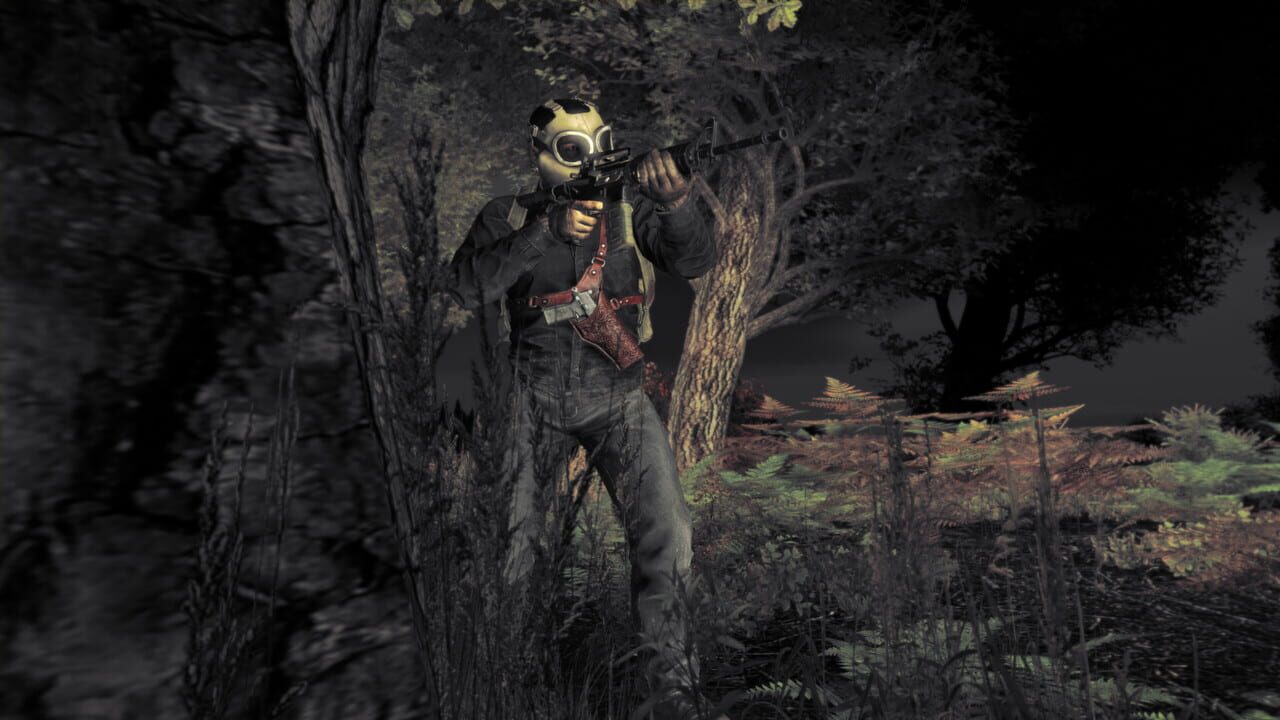
DayZ New Player Guide
Welcome to DayZ — one of the most brutal, rewarding survival experiences out there, and this DayZ New Player Guide is your survival blueprint. Jumping into a fresh account or returning after a long break, this guide covers what actually matters on the ground. DayZ doesn’t hold your hand, but the basics of looting, hydration, hunger management, and reading the environment will keep you alive way longer than random runs ever will. We’re skipping the fluff and getting straight to the mechanics that win games. Let’s survive.
Core Mechanics
| Mechanic | What It Does | Why It Matters |
|---|---|---|
| Hunger & Thirst | Drains over time; starvation and dehydration deal damage and cause death if ignored | Core survival loop — food and water are priority #1 |
| Health & Blood | Health is reduced by injury; blood loss accelerates damage without bandages or surgery | Bleeding out is one of the fastest ways to die in DayZ |
| Body Temp | Cold damages you, especially when wet; fire, clothing, and shelter mitigate it | Night and winter operations are unforgiving without proper gear |
| Noise & Stealth | Guns, running, and breaking glass make sound; zombies and other players can hear you | Staying quiet means staying alive |
| Inventory Management | Limited carry space; weight affects movement and stamina regen | Organizing gear efficiently is a skill in itself |
| Medical System | Fractures, wounds, and internal bleeding require specific treatments (splints, IVs, surgery) | Wrong treatment = death; learn the tools |
| Crafting | Combine scrap materials into tools, weapons, and containers using a crafting menu | Self-sufficiency starts with basic crafting knowledge |
| Server Types | PvE, PvP, and custom-rule servers exist | Know what you’re signing up for before joining |
| Death & Permadeath | You respawn at your gear grave or lose everything depending on settings | Every run matters — plan before you commit |
Step-by-Step
Step 1: Spawn Smart
When you first load into a server, don’t sprint into the nearest building. Take a moment to orient yourself. Look for landmarks like hills, roads, and radio towers. Your starting gear is minimal — usually just a knife, clothes, and maybe a pistol. Move toward a populated town for loot, but avoid going full tilt into high-traffic areas on day one. Find a quiet house on the edge of town, loot it, and learn the layout before pushing further.
Step 2: Thirst Before Food
New players obsess over food. That’s backwards. You can survive weeks without eating, but you’ll dehydrate in a few hours. On spawn, immediately locate a water source — rivers, lakes, and streams are everywhere. Use a canteen, bottle, or any container to collect water. Boil it over a fire or use water purification tablets if you have them. Untreated water can give you worms and sickness, which slow you down significantly. Make hydration your first habit.
Step 3: Loot with Purpose
Don’t pick up everything. A backpack full of useless junk will weigh you down and waste inventory slots. Prioritize in this order:
- Water containers (canteens, bottles, canteen covers)
- Food (canned goods, dried fruit, chocolate)
- Bandages and medical supplies
- Tools (knife, multitool, shovel)
- Clothing layers (thermal gear for cold nights)
- Ammunition (if you have a firearm)
Everything else is noise. Learn the high-value loot locations per map — Chernarus, Livonia, and Sakhal all have different hotspot patterns. Military bases carry the best loot but are heavily contested.
Step 4: Craft Your First Essentials
Early crafting unlocks a huge portion of your survivability. Start with these recipes:
- Bandage (cloth + bandage) — stops bleeding
- Cloth (ripping fabric) — foundational crafting material
- Spark Plug + Matches + Rag = Flare — emergency signaling
- Shovel + Wire + Scrap Metal = Improvised Spade — useful for fortifications
- Pot + Water + Food = Hot Meal — restores more than raw food
Crafting requires a crafting interface (opening your backpack and accessing the craft tab). Learn the quick-access crafting shortcuts so you aren’t fumbling during combat. As you progress, unlock recipes for campfires, water purifiers, and weapon parts from weapon manuals found in towns.
Step 5: Manage Your Medical State
DayZ has a layered injury system. Here’s what you need to recognize:
- Bleeding (red screen pulses) — Apply a bandage immediately. Left untreated, you bleed out.
- Fractures (limp animation, difficulty sprinting) — Use a splint or improvise with a stick and cloth.
- Concussion (spinning vision, disorientation) — Rest and wait; no instant fix.
- Sickness/Worms (green nausea bar) — Boil water, cook food, use prescription meds.
- Hypothermia (shivering, blue tint) — Get dry, build a fire, add layers.
Your medical kit should always contain at least one box of bandages, one splint, and some painkillers. Carry them in your main inventory, not buried in a trunk. Internal bleeding requires an IV drip — learn to recognize the symptom so you can administer it before it’s too late.
Step 6: Understand the Enemy
DayZ threats come in three categories:
- Infected (zombies) — Slow, predictable, dangerous in groups. Gunshots and loud noises attract more. Use suppressed weapons or melee when moving through high-zombie-density areas.
- Environmental hazards — Weather, temperature, terrain, and poison. These kill more players than zombies do.
- Other players — On PvP servers, other survivors are the biggest threat. They can be allies or predators. Read the situation. Approach cautiously. Trust no one on day one.
Step 7: Build or Find Shelter
Night in DayZ is brutal. Temperatures drop, visibility plummets, and zombies become harder to spot. Before sunset, secure a defensible position. A second-floor room with a blocked stairwell works wonders. Place chairs or furniture against doors. Set up a small fire for warmth and light. Have an exit strategy — know how you’ll escape if something breaches. Always have a go-bag packed and ready by the door so you can flee instantly if needed.
Step 8: Learn to Travel Efficiently
Running wastes stamina and makes noise. Walk in grass and trees to reduce visibility and sound. Use vehicles when possible, but be aware they’re loud, attract attention, and require fuel. Always carry a spare tire, jerry can, and basic tools if driving. On foot, keep a map and compass handy — getting lost far from civilization is a slow death sentence. Learn to read terrain contours; ridgelines give you vantage points and help you navigate when landmarks are obscured by fog or darkness.
Tips
- Always carry a light source. A flashlight or headlamp is invaluable at night and in dark interiors.
- Stack your loot. Use boxes, trash bags, and backpacks to organize. A messy inventory means you can’t find your medkit when you need it.
- Save your best gear. Don’t wear your full tactical loadout on spawn day. Learn the server first, then invest in quality equipment.
- Listen before you move. Stop every 30 seconds and listen for footsteps, voices, or zombie moans. Audio cues are your early warning system.
- Respect the weather. A storm rolling in can drop your visibility to zero and your temperature fast. Prepare before it hits.
- Don’t engage unless necessary. Every firefight costs ammo, draws attention, and risks injury. Outsmart, don’t outgun.
- Know your map. Memorize key locations — military bases, towns, and checkpoints. Knowing where to go is as important as knowing how to survive once you arrive.
- Play with others cautiously. Co-op can dramatically improve survival odds, but merging with unknown players carries risk. Establish rules early.
- Rotate your camp. Staying in one spot too long makes you predictable to other players. Move every few hours.
- Conserve ammo. Every bullet has a cost. Melee and stealth should be your defaults; firearms are last resorts.
Related Guides
- Dayz Crafting Guide
- Dayz Leveling Guide 2026
FAQ
Q: What’s the best starting weapon for a new player?
A knife is safer than a gun for beginners because it’s silent and free ammunition. If you find a pistol, learn its handling and conservation carefully. A hunting rifle with a few rounds is also excellent for silent threats. Avoid automatic weapons until you have steady access to ammo — the cost of every bullet is real in DayZ.
Q: How do I avoid dying to other players?
Stay aware. Listen for distant gunfire or vehicle engines. Don’t approach known player-hot zones (major bases, large towns) without intel. Camp quietly, rotate positions, and never stay in one location overnight on your first few days. Wear civilian clothing to blend in rather than standing out in full tactical gear. When you spot another player, assess whether they’re friendly, indifferent, or hostile before making contact.
Q: Which map should a beginner choose?
Chernarus is the classic and most popular map for newcomers. It has a balanced mix of small towns and large military locations, straightforward roads, and a well-established community. Livonia offers a denser, more tactical experience with more verticality. Sakhal and the arid Nasdara (Badlands) are larger, hotter expanses, best suited for experienced players who want long traversal distances.
Q: How do I treat internal bleeding in DayZ?
Internal bleeding shows as a dark red vignette on your screen edges and a persistent health drain. You need an IV drip kit to treat it — apply it from your medical inventory. If you don’t have one, find a hospital or military supply cache where they’re more likely to spawn. Without treatment, internal bleeding will kill you within minutes.
Q: Is co-op a good option for new players?
Co-op mode lets you play with friends, significantly reducing the difficulty of solo encounters. You can share loot, cover each other’s back, and revive downed teammates. The catch is that other players on PvP servers can still attack your group. Use co-op to learn the game while building confidence, but don’t rely on it forever — solo survival is the ultimate test.
Keep exploring
- DayZ on MMOKB — the DayZ game hub has the full knowledge base, tools and guides.
- Read the DayZ knowledge base — Maps, Infection, Medical, Vehicles, Military Operations.
- More DayZ guides — DayZ Achievements: 14 Tips for 2026 Survival, DayZ Survival Guide: 15 Pro Strategies for Chernarus (2026), DayZ Beginner Guide 2026: How to Survive Chernarus, Dayz Best Builds & Farming Tips 2026: Your Ultimate Guide, DayZ Best Builds 2026 — Loadouts, Gear & Strategies, Dayz Best Classes 2026: Pick Your Tier (Proof).
- Browse the full library — all MMOKB guides
Reviewed & verified
| Covers | dayz |
| Last verified | November 4, 2026 |
| Accuracy | The game’s own numbers and rules — they change with patches; check in-game for live values. |
Discussion
0 commentsNo comments yet. Be the first!