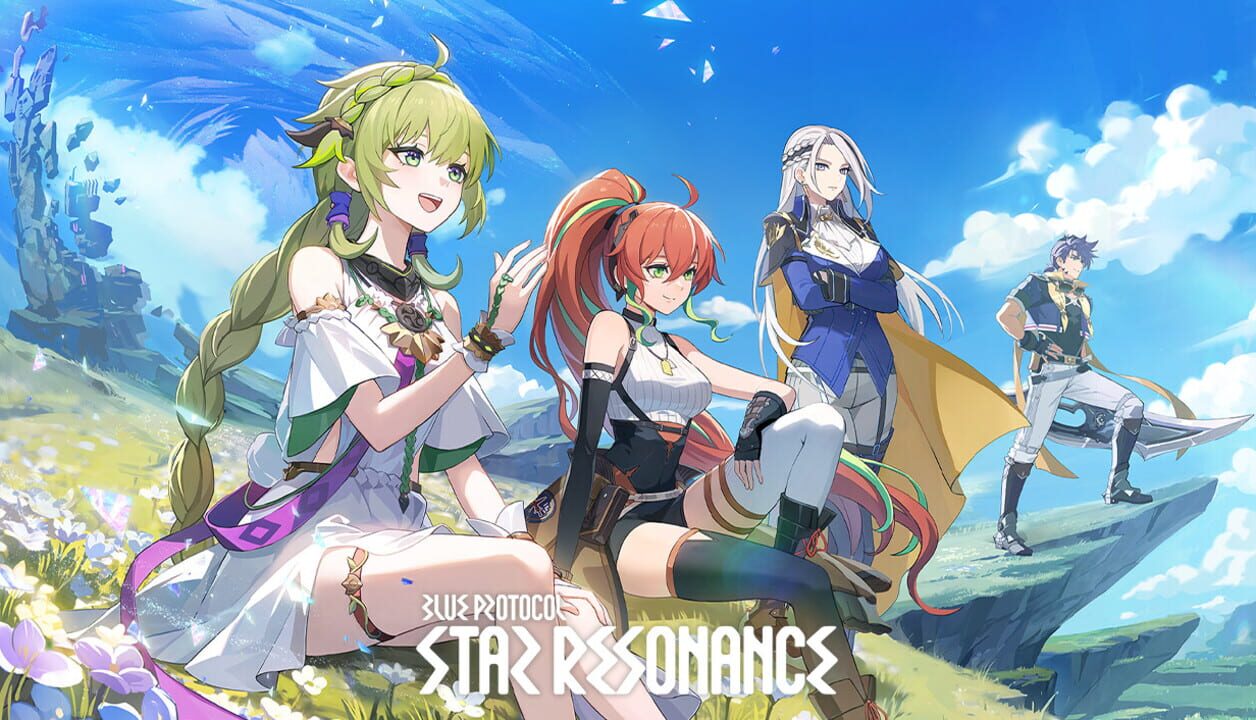
Blue Protocol: Star Resonance’s Season 3 (launched May 28, 2026) added the game’s ninth class: the Twin Striker, a high-octane dual-blade DPS built around combo maintenance and gauge management. Class guides for the launch eight are everywhere — maxroll, questlog, the wiki circuit — but the Twin Striker is still poorly documented. This guide covers both specs, how the combo system actually plays, and where the class sits in the current meta.
Note: This guide reflects Star Resonance as of the Season 3 era (post-May 2026). Class balance moves with seasons.
Quick Primer: How Classes Work in Star Resonance
If you’re coming in cold: Blue Protocol’s reimagined version launched with eight classes, and you can swap classes at any time by equipping another class’s signature weapon — no alt character needed. You can also maintain two specs per class. Five-player parties run one Guard, three Attackers, and one Support.
The launch eight: Verdant Oracle (healer), Beat Performer (healer/hybrid), Heavy Guardian and Shield Knight (tanks), Stormblade, Frost Mage, Wind Knight, and Marksman (DPS). Season 3 added the Twin Striker as the ninth.
Twin Striker Overview
| Role | DPS |
| Difficulty | ★★★★ (high) |
| Specs | Formless / Crimson |
| Weapon | Twin blades |
The Twin Striker is a high-skill melee duelist for players who love maintaining combos and executing rapid skills. Where the Stormblade bursts on stacks and the Wind Knight chains cooldown resets, the Twin Striker’s identity is uninterrupted offensive tempo — the class rewards players who never stop pressing, and punishes dropped combos hard.
Formless Spec: The Combo Flow Style
Formless keeps combos going for a constant flurry of skills. The design goal is uptime: Formless rewards players who can execute the rotation while dodging, repositioning, and handling mechanics simultaneously.
- Strengths: The highest sustained damage uptime in the class; forgiving of gap-closing enemies because you’re always mid-animation with momentum.
- Weaknesses: Lower individual hit numbers — Formless wins through accumulation, so any forced downtime (mechanics, deaths, missed chains) hurts more than it would for a burst spec.
- Best for: Players with strong movement habits who can keep their combo meter alive through messy fights.
Crimson Spec: The Gauge Detonation Style
Crimson fills the Crimson Gauge faster and usees massive attacks. This is the burst-compression spec: build fast, dump hard.
- Strengths: The biggest single damage windows in the class; pairs naturally with party buffs and burst windows during dungeon and raid phases.
- Weaknesses: Gauge dependency means dropped chains or interrupted ramp-ups are expensive; downtime between bursts feels dead if you can’t maintain near-continuous aggression.
- Best for: Structured group play — trials, raids, and co-op dungeons where phases are predictable.
Which Spec Should You Pick?
- Solo leveling and open-world play: Formless. Sustained uptime without group pacing lets you clear packs continuously.
- Group dungeons and raids: Crimson. Burst windows align with party buff rotations, and bosses stand still long enough for the gauge payoff.
- Learning the class: Formless first. It teaches the combo system under real conditions; switch to Crimson once your muscle memory holds.
The class-change system means this decision is cheap — spec-swap, test both in the same content, and keep whichever suits your team’s holes.
Twin Striker vs Stormblade: The DPS Face-Off
The comparison everyone makes: Stormblade (S-tier at launch) vs Twin Striker.
- The Stormblade detonates Thunder Sigils for high burst damage — Blitz Lancer’s spiritual successor, with rapid weapon-type changes and repositioning.
- The Twin Striker sustains — constant flurry, combo-gated scaling, and (per the Season 3 announcement) a four-star difficulty rating that says the ceiling is real but earned.
In a five-player comp of Guard + three Attackers + Support, they’re not direct competitors: Stormblade is the phased burst piece, Twin Striker is the continuous pressure piece. Teams struggling with sustained phase damage (long burn phases, multi-target stretches) get more from a Twin Striker; teams needing kill-window spikes want the Stormblade.
Party Fit and Team Play
With the standard 1 Guard / 3 Attackers / 1 Support layout, a Twin Striker fits best:
- Next to a Heavy Guardian — the aggressive tank’s control (stone shells, rocky spires, Sandshroud passive) holds enemies inside your flurry.
- With a Beat Performer support — attack-driven healing keeps pace with your melee-commitment playstyle better than the Verdant Oracle’s reactive heals.
- Instead of a second burst DPS — the comp already has burst; the Twin Striker fills the sustained-damage hole most groups don’t realize they have.
Leveling and Gearing the Twin Striker
Because Star Resonance’s class system lets you swap freely, leveling a Twin Striker is really “equipping twin blades on an existing character”:
- Earn the twin-blade signature weapon through the Season 3 progression track.
- Level Formless through open-world content — combo practice happens naturally against overworld mobs.
- Run the Season 3 dungeons (six brand-new co-op dungeons shipped with the season) to gear the spec; the Fairy Tail collab event content (Natsu and Lucy join the Battle Imagine) also drops useful seasonal gear.
- Respec into Crimson for group trials once your Formless rotation is automatic.
Season 3 also shipped the Musician System — guitar, bass, keyboard, drums rhythm gameplay and band play with friends. Zero combat relevance, maximum charm. Take the break between dungeon queues.
Verdict
The Twin Striker is Star Resonance’s best answer to a problem the game had since launch: too many burst-dependent melee DPS and too few sustained-pressure melee options. It’s hard (four stars), rewarding (combo-tempo scaling), and fresh — the least theory-crafted class in the game as of this writing, which makes it the best time to learn it.
For the broader landscape, our Guild Wars 2 Code of Creation raid guide covers the other big MMO raid scene of the season, and the indie MMO radar tracks smaller titles worth your time.
Discussion
0 commentsNo comments yet. Be the first!